Sri Lanka’s government has formally extended the state of public emergency for a further month, following parliamentary approval on Friday, amid continuing recovery efforts after Cyclone Ditwah.
An extraordinary gazette notification, effective from January 28, 2026, was issued under the signature of Secretary to the President Dr. Nandika Sanath Kumanayake. The proclamation was made by Anura Kumara Dissanayake using powers granted under Section 2 of the Public Security Ordinance, bringing Part II of the ordinance into operation across the entire island.
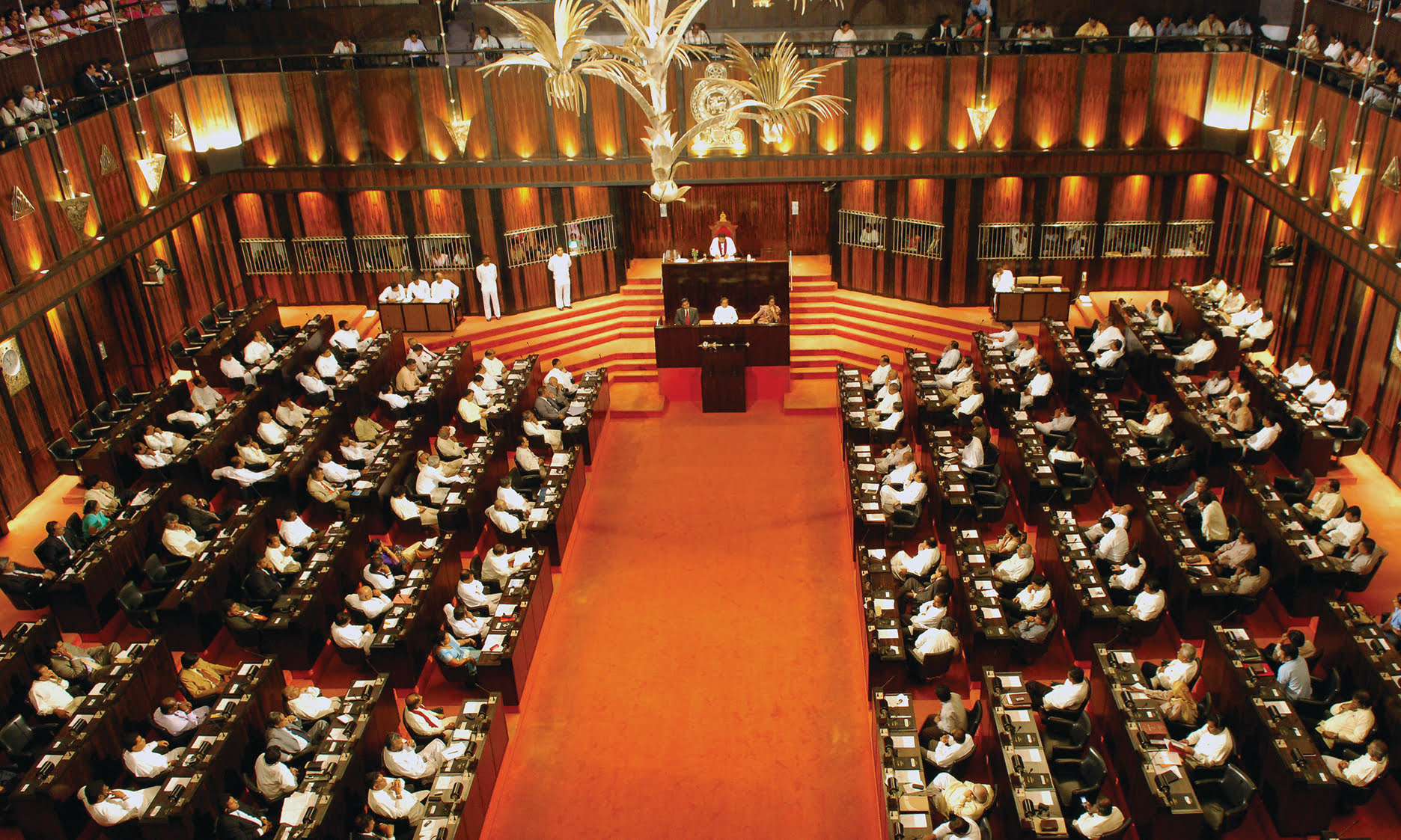
Parliament approved the extension with 106 members voting in favour and two voting against, while more than 110 MPs were absent at the time of the vote. The motion passed with a majority of 104 votes. Jaffna District MP Gajendrakumar Ponnambalam called for the division to be held. Members of the opposition also abstained and walked away.
The state of emergency was first declared on 28 November 2025, in the aftermath of Cyclone Ditwah, which caused extensive destruction across Sri Lanka. The government has repeatedly argued that emergency powers are necessary to maintain public security, preserve law and order, and ensure the uninterrupted supply of essential goods and services.
Addressing parliament during the debate, Sri Lankan Prime Minister Harini Amarasuriya said the scale of devastation caused by the cyclone required swift mobilisation of state resources and personnel. She stated that emergency regulations allow for the appointment of an essential services commissioner general, aimed at accelerating relief, reconstruction, and service delivery.
According to estimates by the World Bank, Cyclone Ditwah caused approximately US$4.1 billion in damage, placing significant strain on the island's already fragile economy. Critics, however, have continued to raise concerns over the prolonged use of emergency powers and their implications for civil liberties.