.jpg)
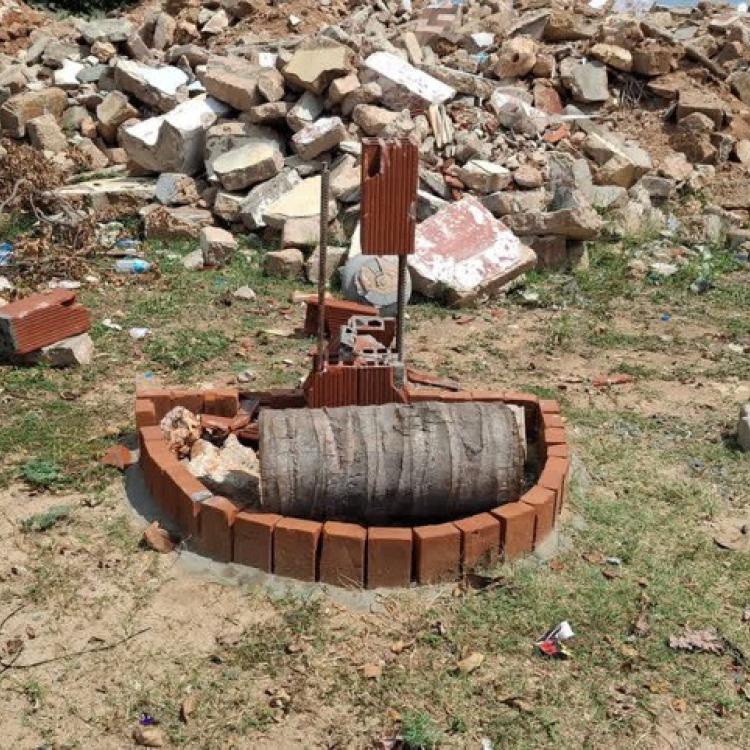
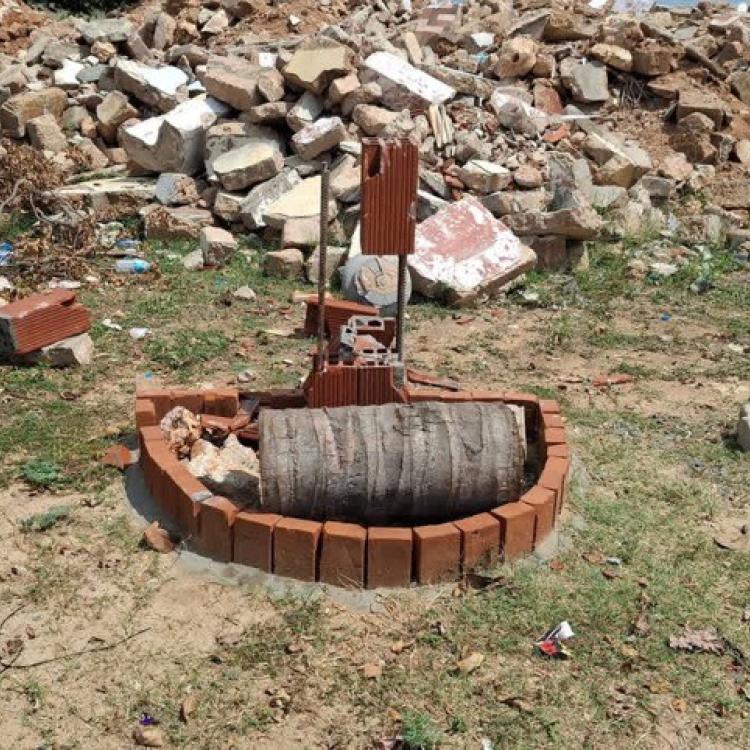
A memorial lamp tower erected as part of the ‘unextinguished lamp’ protest demanding justice for the Chemmani mass grave victims has once again been vandalised by unidentified individuals.
This is the second time the memorial has been attacked. In October, the candle-lit structure was found smashed and damaged by unknown perpetrators. By the following morning, local residents had already returned to relight candles and rebuild the destroyed lamp.
At the time, the vandalism sparked anger among residents, who described the destruction as a deliberate attempt to erase collective memory and silence demands for justice. Local civil society groups condemned the attack and pledged to continue restoring the memorial as a lasting symbol of resistance and remembrance.
.jpg)
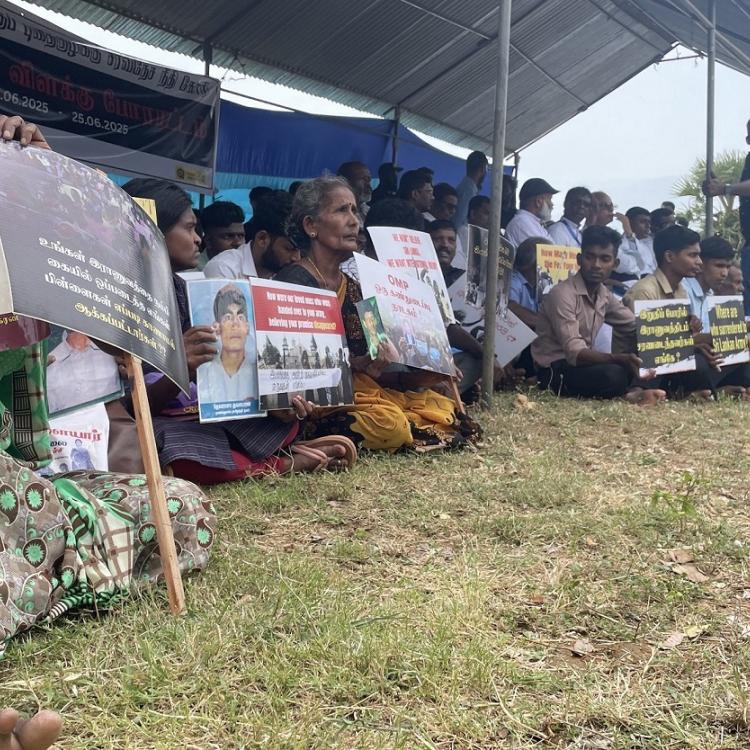
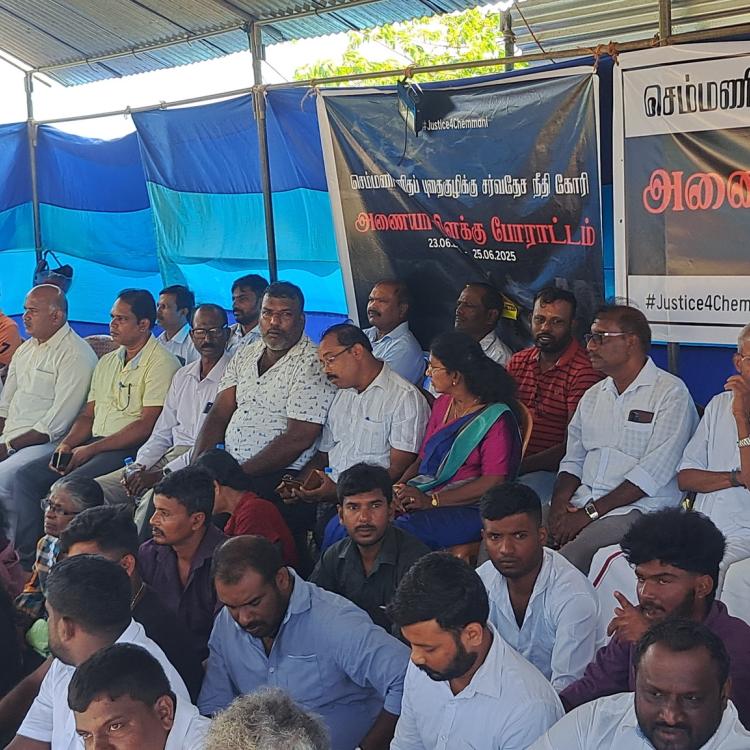
The memorial was first constructed in June by a youth-led volunteer collective following a three-day peaceful protest held on the 23rd, 24th and 25th of June in Jaffna’s Chemmani area. The protest called for international justice for the forcibly disappeared and sought to expose the continued silence surrounding the Chemmani mass grave.
During the protest, a small memorial tower bearing an eternal flame was installed as a symbol of remembrance for those believed to have been secretly buried at the site. The structure was intended to serve as a permanent reminder of the island’s unresolved wartime atrocities and the Tamil people’s ongoing demand for accountability.
The Chemmani mass grave site has long been linked to allegations of extrajudicial killings carried out by the Sri Lankan army during its occupation of Jaffna in the mid-1990s. In 1998, a Sri Lankan soldier testifying in court during a rape and murder trial stated that hundreds of Tamils had been secretly buried at Chemmani.
Recent excavations have since uncovered at least 240 human skeletons, including the remains of children and infants. Several bodies were found in overlapping positions, confirming Chemmani as one of the largest mass graves ever discovered on the island.
The site also gained international attention in June when United Nations High Commissioner for Human Rights Volker Türk visited Chemmani and laid flowers before the memorial flame, amid renewed calls for international accountability over wartime atrocities.
Despite this, the latest act of vandalism has once again raised serious concerns over the continued targeting of Tamil remembrance and the deliberate attempts to suppress demands for truth and justice in the Tamil homeland.