
Photograph: International Organization for Migration
People trapped in Sri Lanka’s central highlands, home to some of the island’s most vulnerable Malayaga Tamil families, say they were left without warnings, assistance or government support as Cyclone Ditwah unleashed catastrophic floods and landslides that have killed hundreds and displaced more than a million people.
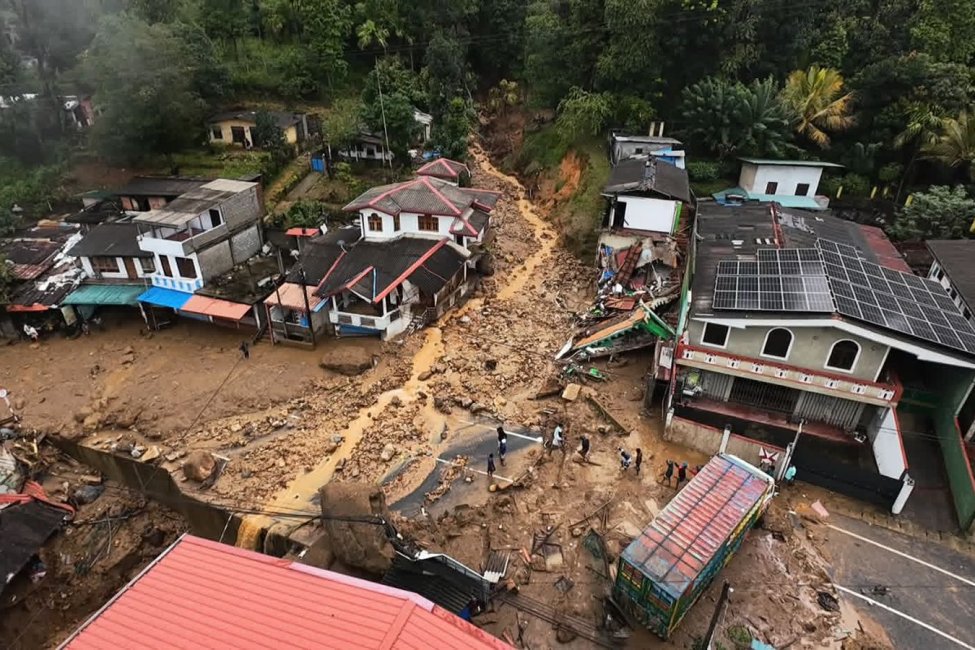
Across Kandy and Matale districts, entire villages have been submerged or buried under mud. In Gampola, where a torrent of floodwater tore through narrow estate-line streets, residents told Sky News that they had received no instructions to evacuate and no support once the disaster struck. Homes now lie in ruins, with sodden toys, broken furniture and thick sludge piled across alleyways.
“We took nine bodies in total and handed them over to the hospital,” said Mohamed Fairoos, who helped retrieve the dead from his neighbourhood. “When I took the bodies, the police, the navy, no one sent for us.”
“No one called for us. No one helped us. No one gave us any boats.” He described posting a video online begging for basic rescue equipment as floodwaters rose around them.
Volunteers in the same street pointed to another home where five members of a single family were killed as waters surged through the community. Many residents say the Sri Lankan government’s failure to issue timely warnings cost lives. “We didn’t know anything,” said Chamilaka Dilrukshi, whose photography business and home were destroyed. “If we did, we would have taken our cameras and our computers out.”
The devastation is even more severe in Elkaduwa, Matale, where ITV News reports that around 10,000 people have been stranded for a week, cut off after both access roads were obliterated by landslides. Villagers say no government or aid teams were able to reach them for days as shops emptied, water ran out, and communications collapsed.
“This is the first of a lifetime,” said resident Mohan Shivaprakashan. “The ground cracked. Houses broke apart. Landslides came down everywhere at once.” With electricity down since 27 November and no medical access for pregnant women or the sick, residents described the situation as “four to five times bigger than the tsunami”.
“There is no water in the village,” said Priyanka Dhawanthi. “We don’t have food to eat. We are so sad.”
Despite two weeks of warnings from meteorologists before the cyclone made landfall, the Sri Lankan government has been heavily criticised for failing to prepare or alert highland communities, many of whom are Malayaga Tamils living in fragile estate settlements that have long suffered structural neglect. The state has also faced further condemnation for failing to communicate crucial updates in Tamil, even as the storm intensified across the central provinces.
Anura Kumara Dissanayake has declared the disaster “the largest and most challenging natural disaster in our history”, yet residents say this acknowledgement has not translated into meaningful state action on the ground. Helicopters from Sri Lanka, India and Pakistan have dropped limited supplies, but large sections of the highlands remain unreachable.
As families continue to dig through mud for belongings and wait for clean water or food, trust in the state lies in ruins. “Recovery might take months, or maybe years,” said Mohan, standing beside the fractured remains of his home.
“People cannot communicate. They don’t know if their relatives are alive. It is like a massacre.”