
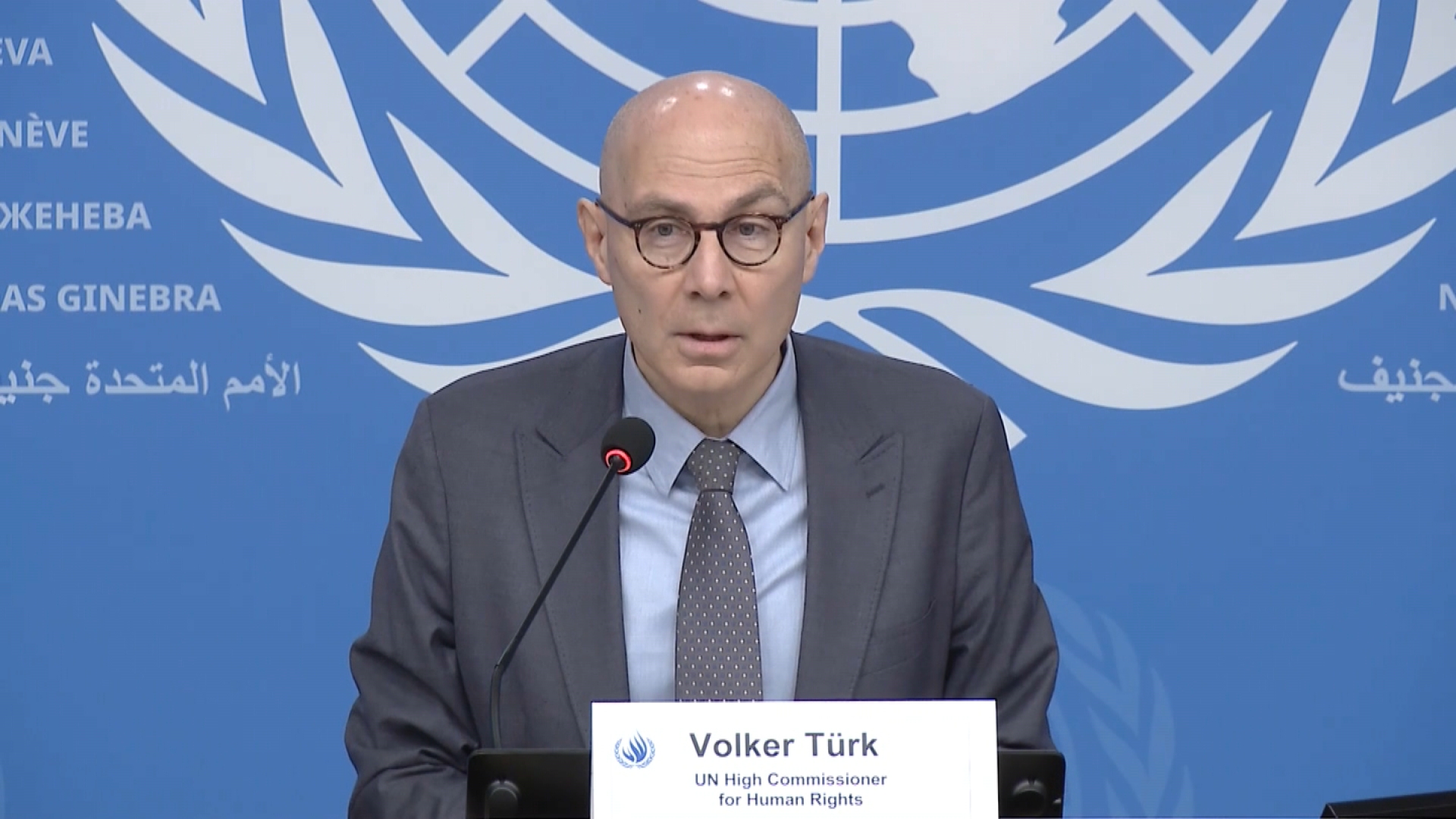
United Nations High Commissioner for Human Rights Volker Türk is set to visit Sri Lanka later this month or in early July, amid ongoing international concern over the Colombo's use of repressive legislation and lack of accountability for mass atrocities.
Türk has previously raised alarm over Sri Lanka's continued use of the Prevention of Terrorism Act (PTA), calling for an immediate moratorium on its use. He has also urged the government to ensure that any replacement legislation complies with international human rights standards. Further concerns include the Online Safety Act and the ICCPR Act, which have been criticised for unduly restricting freedoms of opinion, expression, association, and peaceful assembly.
In a report presented to the UN in August last year, prior to Sri Lanka’s presidential and parliamentary elections, Türk called on the incoming government to address the root causes of conflict and undertake deep constitutional and institutional reforms to close the accountability gap and advance reconciliation.
Türk said that in Sri Lanka, "a prevailing sense of impunity impedes meaningful progress and encourages continued violations and more corruption."
"The absence of accountability for past and present violations is a fundamental problem, illustrated by the lack of meaningful progress in emblematic cases," he added.
In March last year, Türk said sustainable peace and reconciliation will not be achieved in Sri Lanka "with regressive laws and authoritarian approaches".
"It is only through addressing the root causes of the country’s conflict and economic crisis, and ensuring accountability, that Sri Lanka will be able to enhance its prospects of achieving genuine reconciliation and sustainable peace and development," he said.
Türk went on to note that May 2024 will mark 15 years since the Mullivaikkal genocide in which tens of thousands of Tamils were killed by Sri Lanka's brutal military offensive in the final phase of the armed conflict. He highlighted that whilst 15 years have passed since the genocide, "violations of human rights remain unaddressed."
"Tens of thousands of families of the disappeared are still looking for their loved ones and face intimidation, arrests and violence in their search. Land disputes continue to escalate in the north and east of the country impacting on people’s livelihoods. Provincial Councils and local government bodies, that promised a measure of devolution, are not currently constituted," he added.
The UN High Commissioner urged member states to "use of universal and extra-territorial jurisdiction and targeted measures against credibly-alleged perpetrators of serious human rights violations and abuses."
The Ministry of Foreign Affairs confirmed that this will be the first visit to Sri Lanka by a UN Human Rights Commissioner in nine years. The last such visit was in February 2016 by then-Commissioner Zeid Ra’ad Al Hussein, during the presidency of Maithripala Sirisena.
Türk, an Austrian national who assumed his role in October 2022, will arrive at a time when Sri Lanka’s human rights record remains under international scrutiny. Although exact dates for the visit have not been finalised, the Sri Lankan government has agreed to facilitate the trip.