
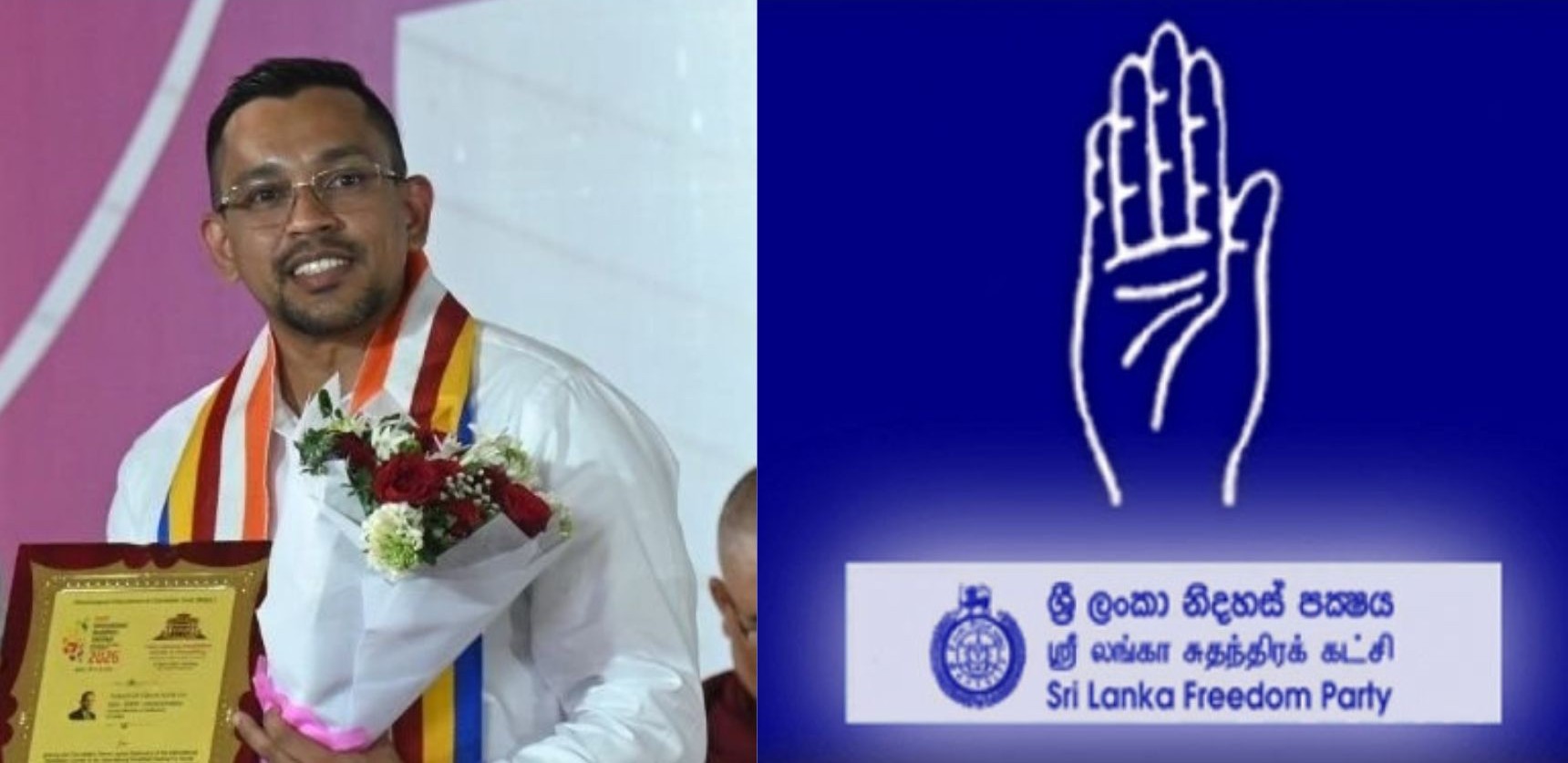
The Sri Lanka Freedom Party (SLFP) has called on the governments of India and Tamil Nadu to reject growing calls for formal recognition of a Tamil genocide remembrance day linked to the mass atrocities committed against Tamils by the Sri Lankan state.
Udith Lokubandara, who identified himself as the SLFP’s “Foreign Affairs Coordinator and Wanni District Leader”, issued a statement on X condemning recent appeals by Tamil parliamentarian Gajendrakumar Ponnambalam urging the newly elected Tamil Nadu Legislative Assembly to formally recognise May 18 as Tamil Genocide Remembrance Day.
In his statement, Lokubandara dismissed such demands as “emotionally charged and politically motivated narratives” and claimed they could undermine India-Sri Lanka relations and regional stability.
Referencing an open letter written by Indian analyst M. R. Narayan Swamy and published in the Jaffna Monitor, Lokubandara argued that renewed international attention on allegations of genocide and wartime atrocities risked “dragging future generations backwards”.
His remarks come as commemorations intensify across the Tamil homeland and the Tamil diaspora ahead of Tamil Genocide
emembrance Week, which marks the massacres carried out during the final months of the armed conflict in Mullivaikkal in 2009.
Human rights organisations, UN experts and international investigators have documented widespread allegations of war crimes and crimes against humanity committed by the Sri Lankan state during the final phase of the war. Tens of thousands of Tamil civilians were killed during the military offensive, with estimates placing the death toll significantly higher.
Tamil political parties, civil society organisations and diaspora groups continue to commemorate May 18 as a day of genocide remembrance and have repeatedly called for international accountability mechanisms and recognition of the atrocities committed against the Tamil nation.
Lokubandara further claimed that younger generations of Tamils and Sinhalese increasingly identify “first as Sri Lankans” and are more focused on economic opportunities and coexistence than demands for remembrance or accountability.
He also directly appealed to Tamil Nadu Chief Minister C. Joseph Vijay and the Government of India to approach Sri Lanka-related issues with “wisdom, maturity and strategic foresight”, insisting that “regional peace and harmony must always prevail over emotional political symbolism”.
The comments come amid renewed political momentum in Tamil Nadu surrounding the issue of Eelam Tamils and Mullivaikkal remembrance.
In recent weeks, several Tamil political organisations and legislators have called on the newly elected Tamil Nadu government to adopt a resolution recognising the Tamil genocide and urging international investigations into atrocities committed during the war.
The Tamil National Council recently urged Chief Minister Vijay to pass a resolution in the Tamil Nadu Legislative Assembly reaffirming that genocide was committed against Eelam Tamils and calling for an international criminal investigation.
Meanwhile, political figures in Tamil Nadu, including Viduthalai Chiruthaigal Katchi legislator Vanni Arasu, have called on the Tamil Nadu government to officially commemorate May 18 and support the political aspirations of Eelam Tamils.
Who is Udith Lokubandara?
Udith Lokubandara is the son of former parliamentary speaker W. J. M. Lokubandara, who held office during the final years of the armed conflict, including the period of the Mullivaikkal genocide in 2009.
Although he currently presents himself as a foreign affairs representative of the SLFP, Lokubandara does not hold elected office in the Sri Lankan parliament.
His political affiliations have shifted over the years. Prior to associating himself with the SLFP, he served as a personal secretary to former Sri Lankan president Mahinda Rajapaksa, under whose administration the final military offensive in Mullivaikkal was carried out.