
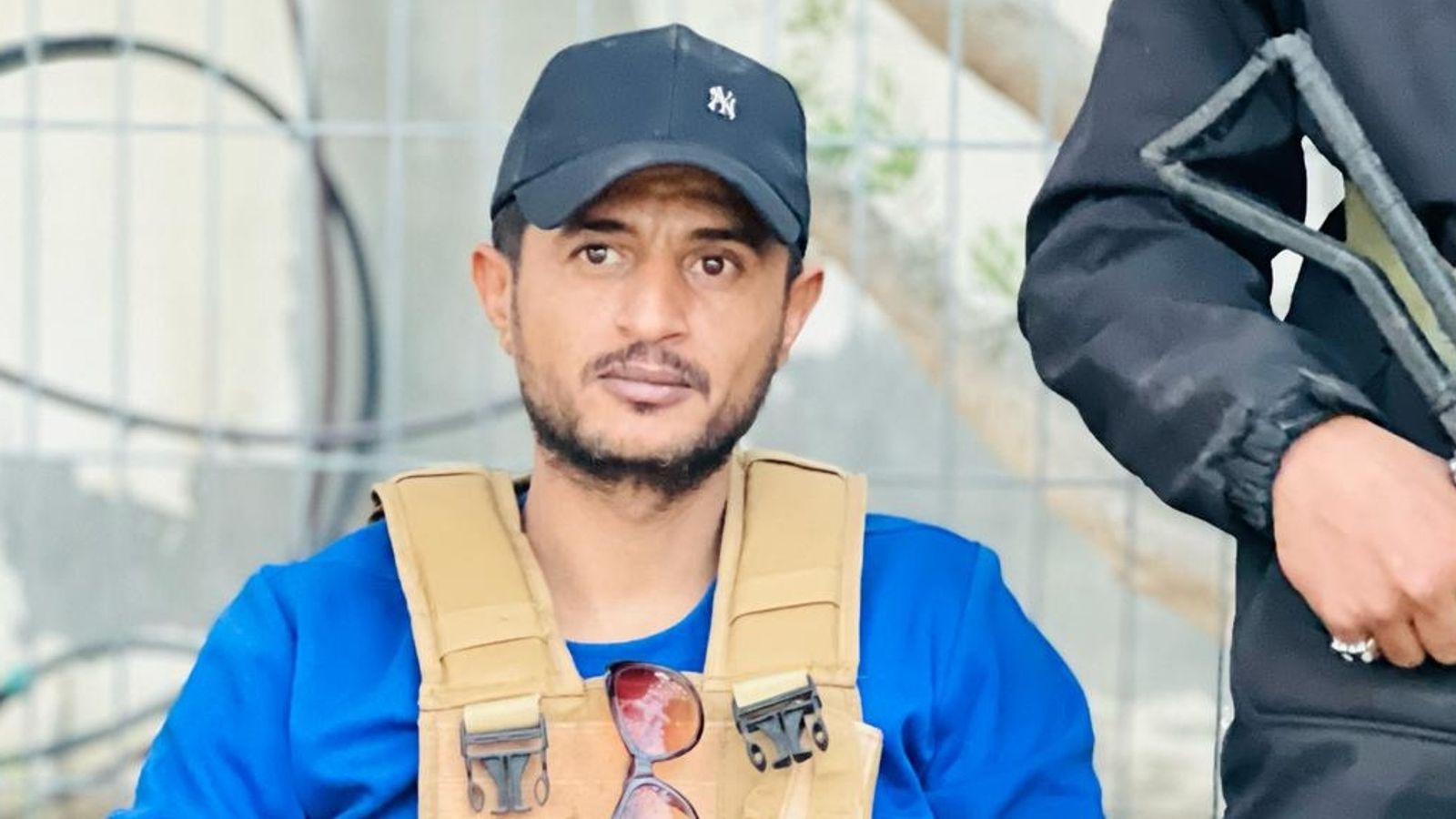
Yasser Abu Shabab, the leader of an Israeli-backed paramilitary group operating in Gaza, has been killed according to reports this week.
Abu Shabab, commanded the Popular Forces, a militia that emerged during the later stages of the two-year conflict and operated in areas of Gaza under Israeli control.
The group, which has claimed dozens of fighters, is widely understood to have benefited from Israeli support as part of a plan to weaken Hamas and impose administrative control over the devastated territory.
The Popular Forces stated that Abu Shabab died from a gunshot wound while attempting to resolve a dispute within the Abu Seneima family. The group rejected as “misleading” any suggestion that Hamas was behind the killing.
Earlier statements from his own Bedouin tribe, the Tarabin, accused him of betraying the Palestinian people and said he had been killed “at the hands of the resistance”.
A spokesperson for Hamas, which had long labelled Abu Shabab a collaborator, denied involvement but said the “fate that befell” him was “the inevitable fate of all who betray their people and homeland”.
Israel’s Army Radio cited a security source as saying Abu Shabab was evacuated to Soroka hospital in Beersheba and died there, although the hospital denied that he had died under their care.
The Popular Forces pledged to continue what it called Abu Shabab’s mission “until the last terrorist is eliminated from the soil of Gaza”, claiming that its fighters sought to build a “bright and secure future” for Palestinians who “believe in peace”.
In June, Israeli Prime Minister Benjamin Netanyahu publicly acknowledged that Israel had armed clans and factions in Gaza that opposed Hamas. Israeli media had reported that the Popular Forces were among the groups that received support.
Dr Michael Milshtein, a former Israeli intelligence officer, said the outcome was foreseeable. “Whether he was killed by Hamas or in some clan infighting, it was obvious that it would end this way,” he told The Guardian.
The death of Abu Shabab is expected to unsettle other anti-Hamas factions that have appeared in Israeli-held areas. Dr Reham Owda, a Palestinian political analyst, said his killing would intensify doubts within these groups about their ability to challenge Hamas or survive without substantial and continuous Israeli backing.
Hossam al-Astal, leader of another newly formed militia in the Khan Younis area, said in September that he and Abu Shabab represented “an alternative force to Hamas”. His whereabouts are currently unknown.
Read more from The Guardian here, the BBC here and Al Jazeera here.