Freedom From Torture said members of the international community, particularly the United Kingdom and European Union, must do more to dismantle the structures that allow torture to continue in Sri Lanka.
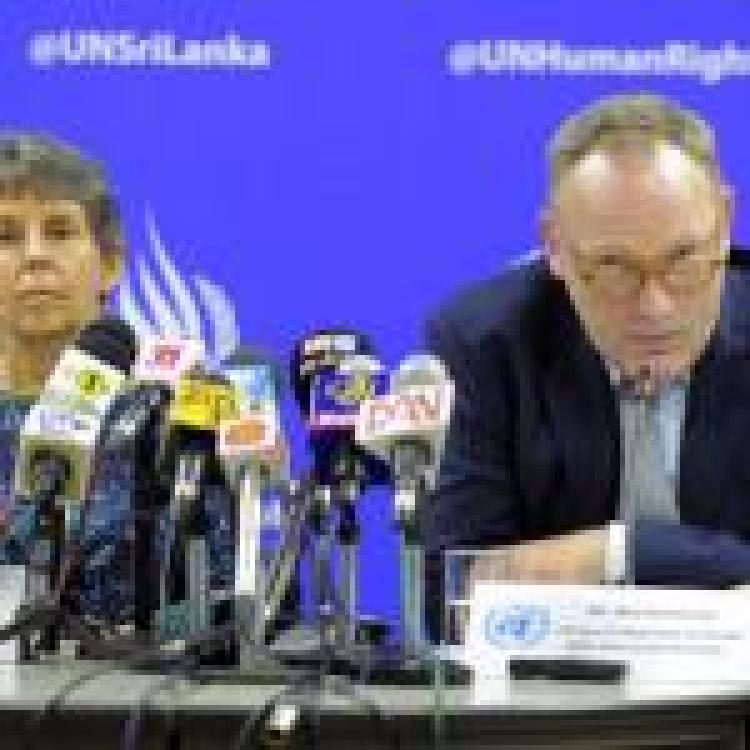
Responding to a report by the United Nations Special Rapporteur on human rights and counter-terrorism Ben Emmerson, FFT said his findings corroborated many of their own reports.
Ann Hannah, Director of Policy and Advocacy at Freedom from Torture said “Sri Lanka has continued to be the top country of origin for referrals to Freedom from Torture, despite repeated claims from the Sri Lankan government that the end of the conflict has also delivered a significant improvement in human rights across the country”.
“The Special Rapporteur’s findings directly echo those of numerous Freedom from Torture research reports and submissions to the UN and others since the end of the conflict,” she added.
Mr Emmerson met with Tamil political prisoners being held at Anuradhapura prison and was told of “distressing stories of extremely brutal methods of torture”.
The torture included beatings with sticks, the use of stress positions, asphyxiation using plastic bags drenched in kerosene, the extraction of fingernails, the use of water torture, the suspension of individuals for several hours by their thumbs and the mutilation of genitals, he said in a press conference in Colombo last week
A report by the International Truth and Justice Project’s (ITJP) also found the torture and rape of Tamils in Sri Lanka has continued into 2017.
Members of the international community must now respond said Ms Hannah.
“Sri Lanka’s partners, including the UK government and the EU who recently reinstated a preferential trade agreement on the basis of the government’s commitments to improving human rights, need to do more to support security sector reform, and in particular deliver a substantive programme to dismantle the structures that allow torture to continue unabated,” she concluded.