
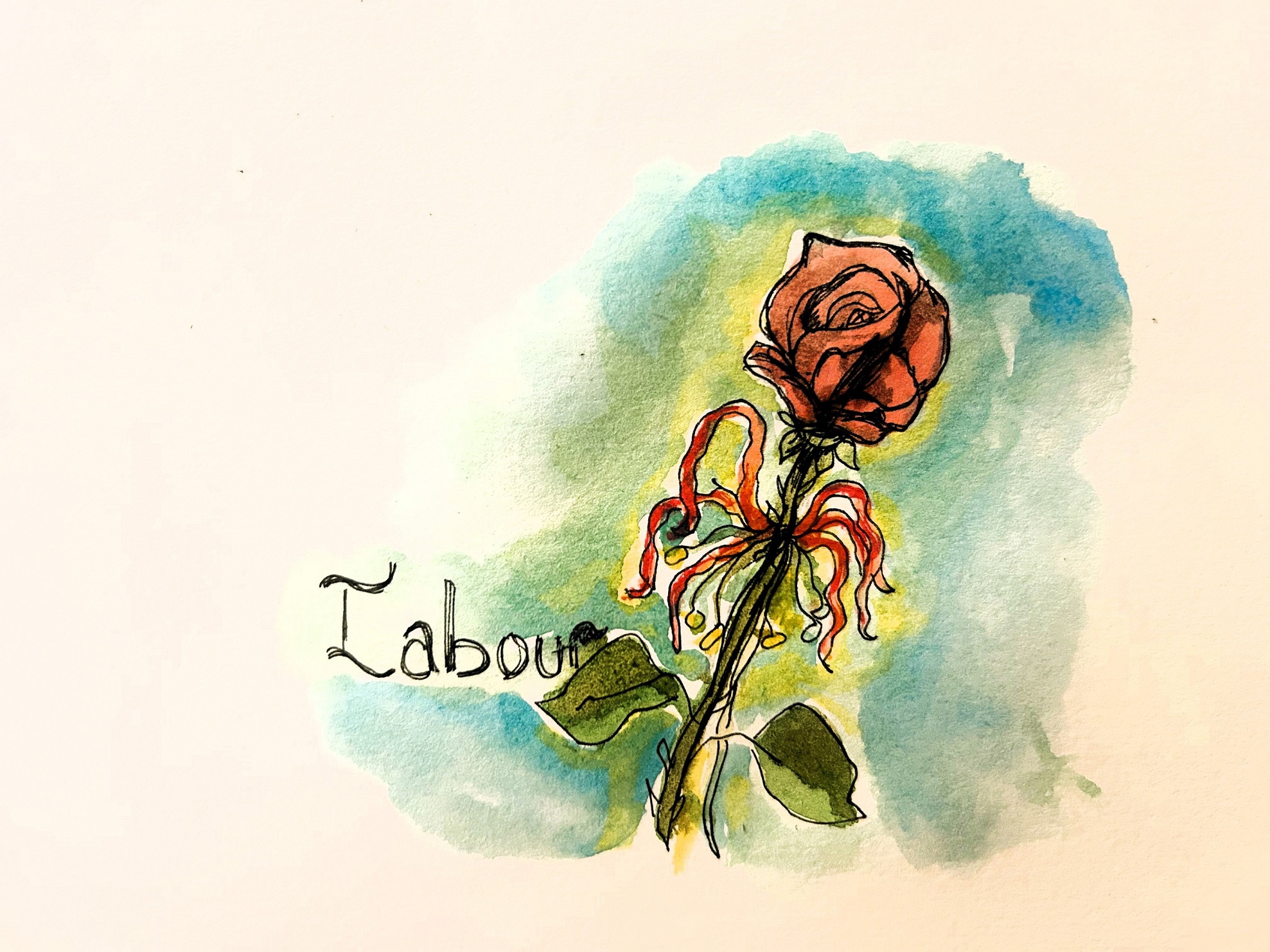
Andy Burnham took office this week and appointed around his table a set of ministers whose records on Tamil rights stretch back nearly two decades. The new Foreign Secretary, Ed Miliband, argued as Labour leader that David Cameron should boycott the Colombo Commonwealth summit, writing in this publication that tens of thousands of Tamils had been killed and pledging in 2015 to "continue to push for the full and independent, international investigation" into Sri Lanka's crimes. The new Defence Secretary, Wes Streeting, told a Mullivaikkal remembrance gathering that there could be no hiding place for crimes "that can only be perceived as genocide", and has repeatedly demanded Magnitsky sanctions and an International Criminal Court (ICC) referral. Stephen Kinnock, now in cabinet, wrote as shadow Asia minister that Britain's failure to sanction a single senior Sri Lankan official was indefensible, called for universal jurisdiction prosecutions and an independent investigative mechanism, even naming the army commander who should face sanctions. Heidi Alexander answered yes to investigating the genocide and the Tamil nation's right to self-determination. The archive of this cabinet's commitments is long, detailed and unambiguous.
That is why, for once, a measure of optimism is warranted. British Tamils have grown used to governments that only act when a crisis on the island forces it onto the agenda. This one arrives already knowing. Its members have stood at Mullivaikkal commemorations, travelled to Geneva, heard the testimony and drawn their conclusions publicly, over many years and in their own names. Burnham himself has pledged to "rewire" Britain around the conviction that power belongs with the people it governs, a principle Tamils have spent half a century defending at far greater cost. If any British government was ever positioned to act on Sri Lanka, it is this one.
But Tamils have also learned, painfully, the distance between the dispatch box and the department. Labour has held power since 2024, and beyond the sanctioning of four individuals last March, its record has been one of management rather than resolve. Asked in December about the absence of any special court or criminal investigation years after findings of war crimes, crimes against humanity and genocide, the then Foreign Secretary could offer only that Britain would "continue to encourage" Colombo and "continue to raise the issue". The response repeated the language of British policy for seventeen years, under governments of both colours, and it has delivered precisely nothing.
The Tamil homeland offered its own verdict on that language this week. When a European Union delegation visited the Chemmani mass grave site on Wednesday, where more than 450 sets of skeletal remains have now been identified, infants among them, the families of the disappeared confronted them with a memorandum and a demand - recognise the genocide, and establish an international investigation. The delegation's tepid response was denounced by the families as "not satisfactory", a rebuttal that was more polite than it should have been. The families have maintained continuous roadside protests since February 2017, one of the longest sustained demonstrations anywhere in the world. They have appeared before every commission, rejected every domestic mechanism designed to let the perpetrator investigate itself, and watched more than 450 of their number die without answers. "This is not just a memorandum," their representative said as she handed it over. "We handed it over saying that we were placing our lives in your hands." Delegations from around the world have come and gone from the Tamil homeland for years. Not a single one has been able to back their claims of peace and justice with the action needed to deliver it. Every one of them will be remembered bitterly.
Whether this British cabinet breaks that pattern will depend on whether it governs as it campaigned, and here the Tamil question and the British question converge. Labour has drifted since coming into power, and Burnham's entire appeal is the promise to shake off that staleness and clear out the cobwebs of a government that took its large 2024 majority for granted. Boldness cannot stop at the water's edge. A government seeking renewal needs places to demonstrate it, and Sri Lanka is one where conviction costs little and the moral case has already been made, repeatedly, by the very people now holding the seals of office. The policies are not waiting to be devised. An ICC referral, universal jurisdiction prosecutions, expanded sanctions, recognition of the genocide, and support for an international investigative mechanism: each one has been demanded, in public, by a serving member of this cabinet.
As Tamils mark Black July this week, forty-three years since the pogroms that drove tens of thousands to Britain's shores, the demand returns to where it began. The families at Chemmani placed their lives in the hands of a delegation that could offer only assurances. Britain's new ministers hold actual power, and their own words hold them to its use.
_____
Illustration by Keera Ratnam.