
Excavation work at the Chemmani mass grave site in Jaffna continued on Monday, 15 June, marking the 25th day of the third phase of excavations, with the total number of skeletal remains identified at the site rising to 360.
During the day's work, five further sets of human skeletal remains were identified, while ten previously identified remains were exhumed, among them the remains of a child and an infant. Of the 360 remains identified to date, 351 have now been exhumed.
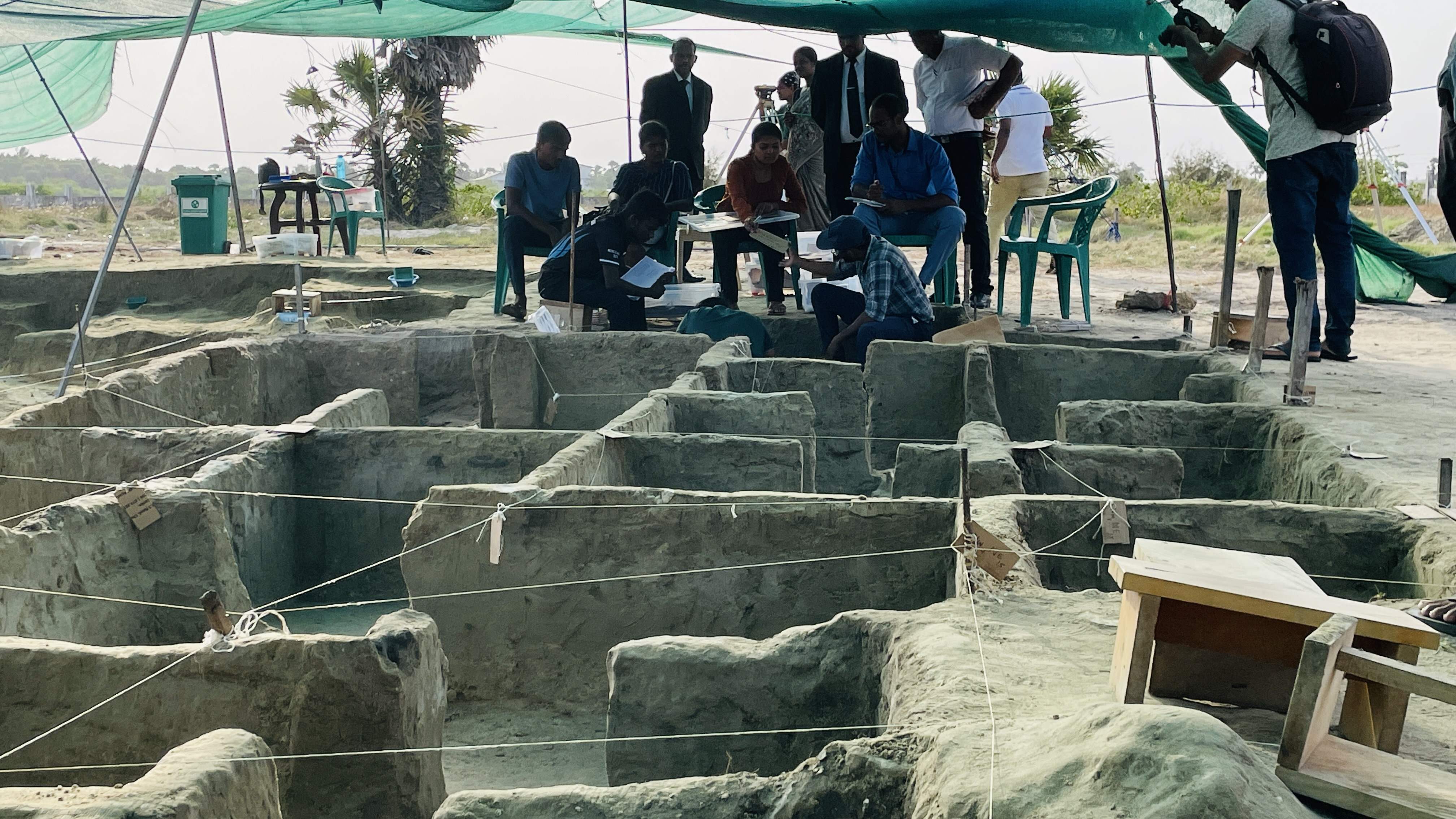
The recovered remains were found in fragmented condition and in irregular positions, according to information released from the excavation site.
A legal expert present noted that the irregular positioning of some of the remains could be indicative of relocation or reburial, but stressed that no conclusion had been reached, and that further forensic analysis would be required to establish whether the remains had been damaged before burial or as a result of events afterwards.
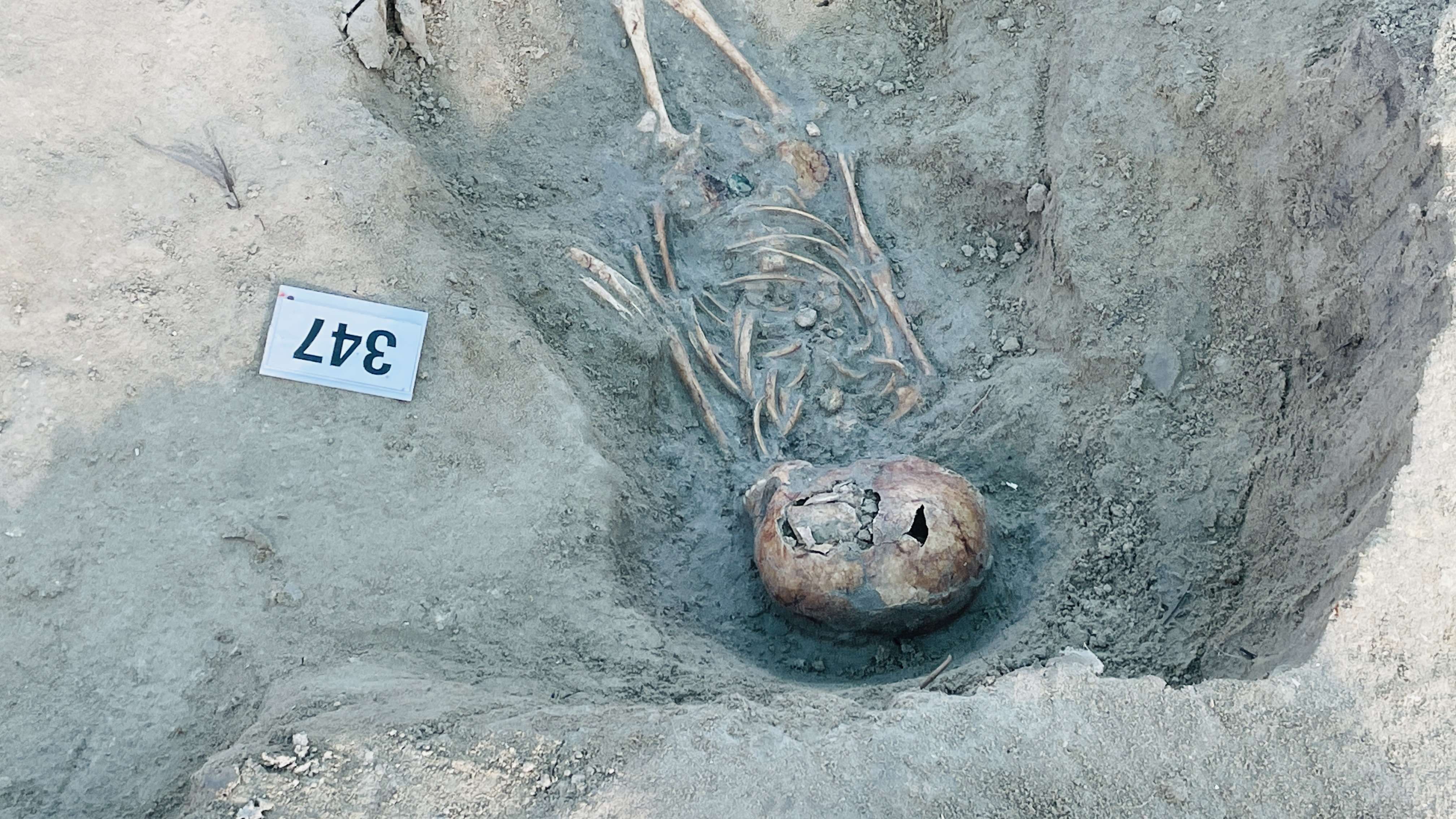
The possibility of relocation or reburial is significant.
Forensic evidence that remains were moved after an initial burial would point to a deliberate effort to conceal the dead, a concern that has shadowed the Chemmani investigation since its origins.
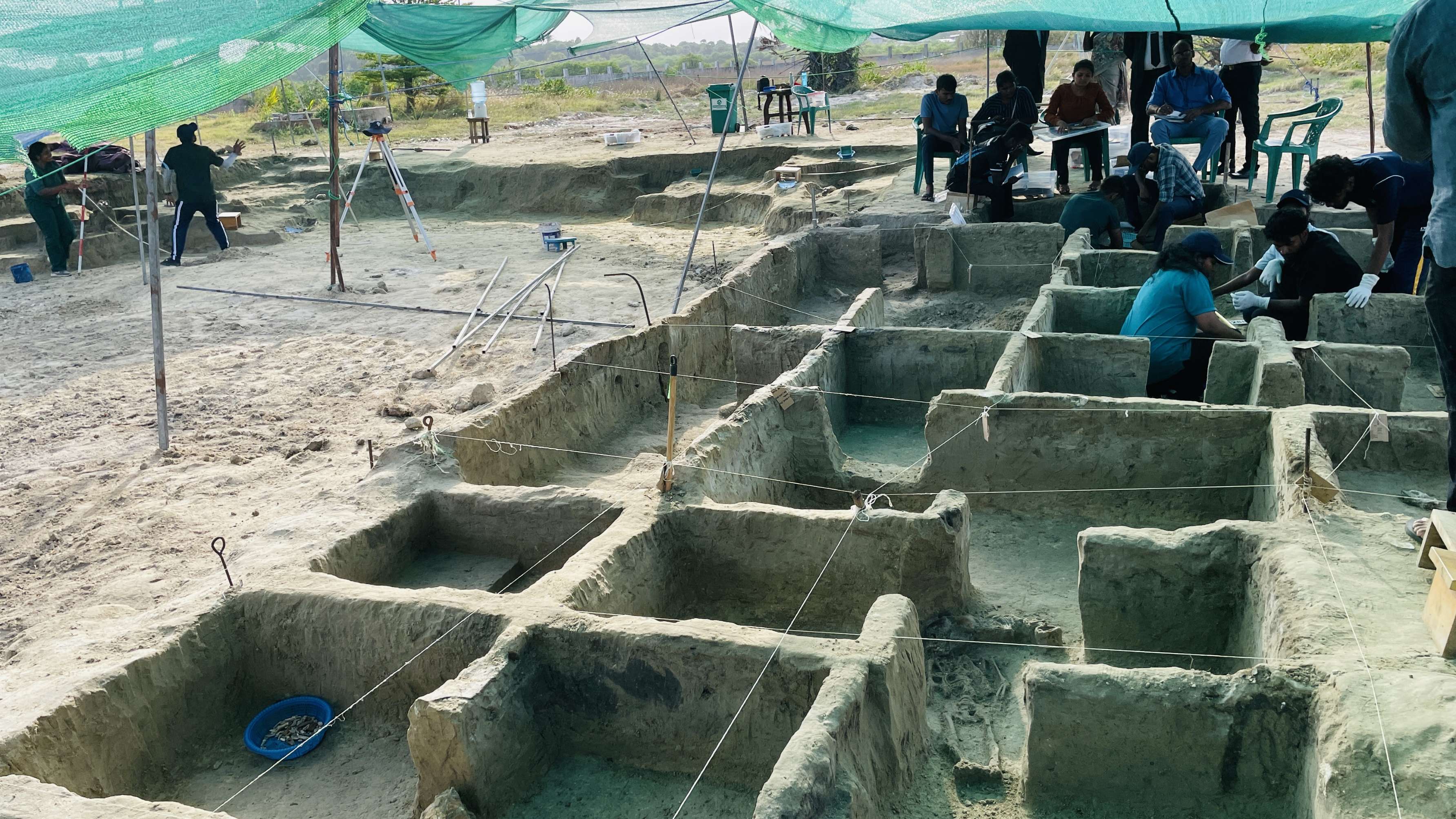
The findings followed a similarly grim day on Sunday, 14 June, the 24th day of the third phase, when two further sets of remains were identified and seven were exhumed, among them one infant and four children.
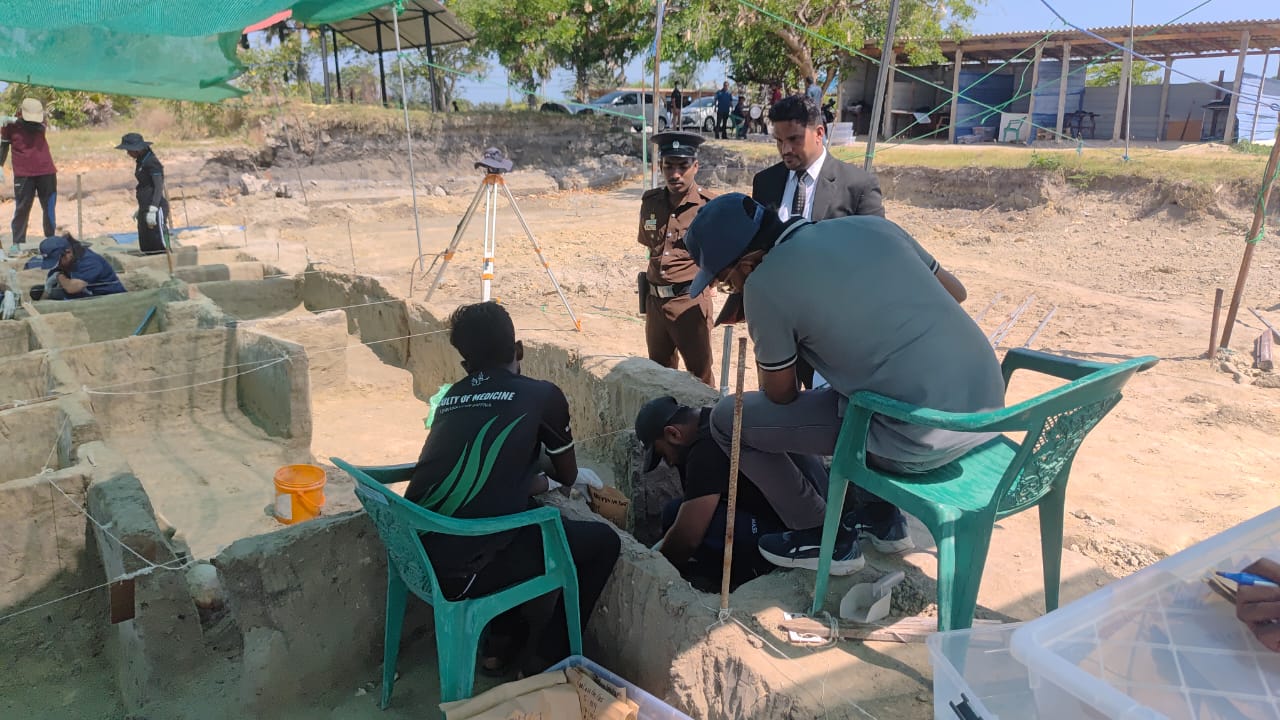
Students from the University of Jaffna joined the excavation effort from Sunday onwards, working alongside students from the University of Ruhuna who had already been participating in the recovery and documentation of the remains.
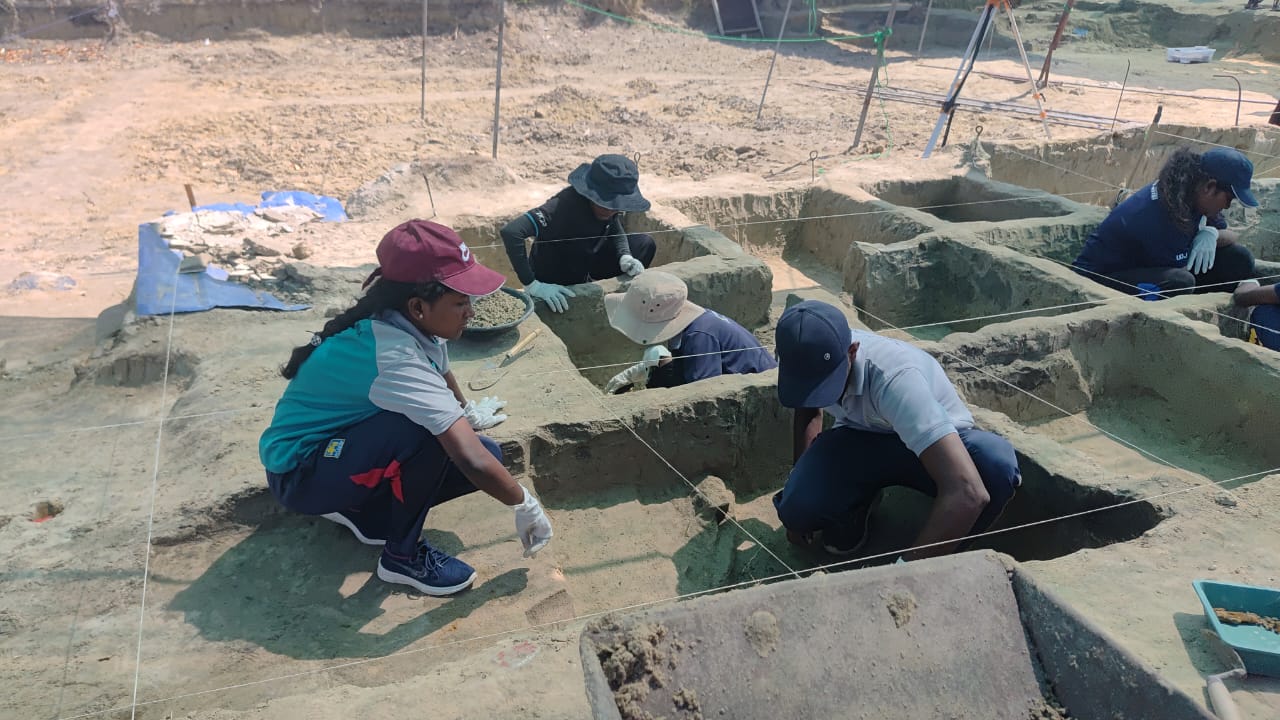
The recurring discovery of the remains of children and infants has been among the most harrowing features of the third phase of the Chemmani excavation. Earlier phases uncovered an adult skeleton found in a posture cradling the remains of a small child, and clusters of remains believed to contain children have been recorded repeatedly as the work has continued.
The Chemmani mass grave is one of the most significant mass grave investigations in the Tamil homeland. The site first drew international attention in 1998, when a Sri Lankan soldier, testifying during the trial over the rape and murder of Tamil schoolgirl Krishanthi Kumaraswamy, her mother, brother and a neighbour, alleged that hundreds of Tamils who had been forcibly disappeared during the military's occupation of Jaffna had been secretly buried in the area. An initial excavation confirmed the presence of skeletal remains, but the Sri Lankan state failed to pursue a full investigation, and the site lay undisturbed for more than two decades.
The grave was rediscovered in early 2025 during construction work, and court-supervised excavations have continued in phases since, uncovering remains at a pace that has renewed calls from families of the disappeared, human rights organisations and Tamil political representatives for an independent, international investigation into the killings.