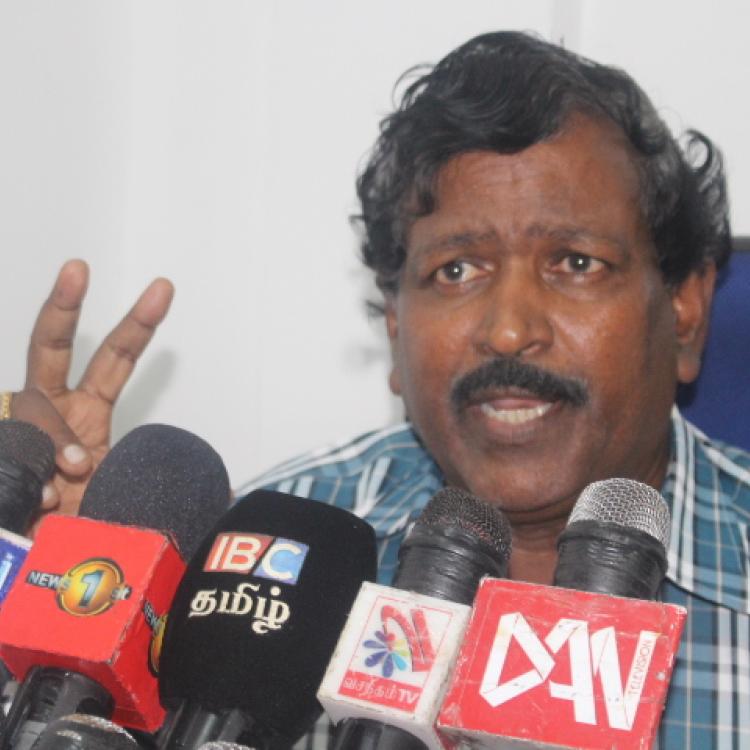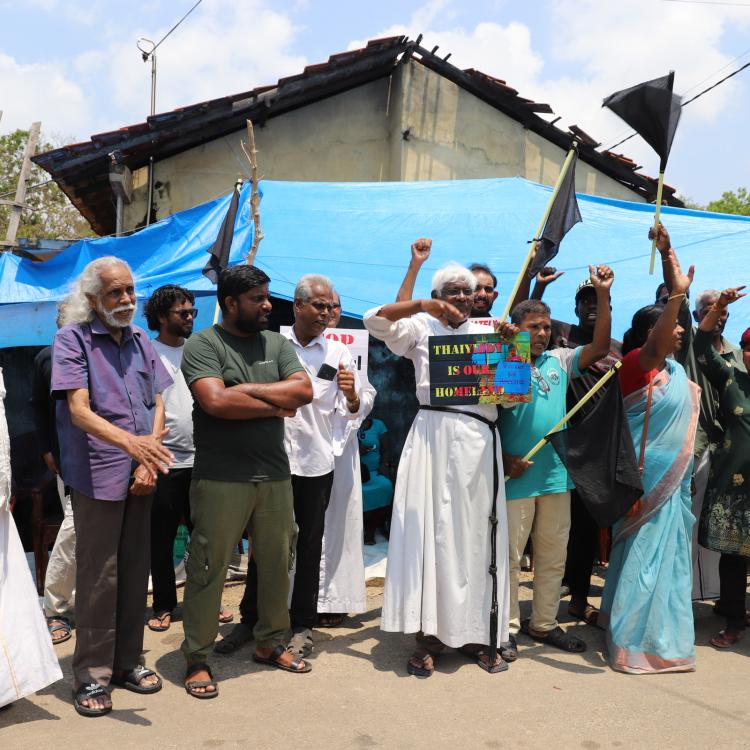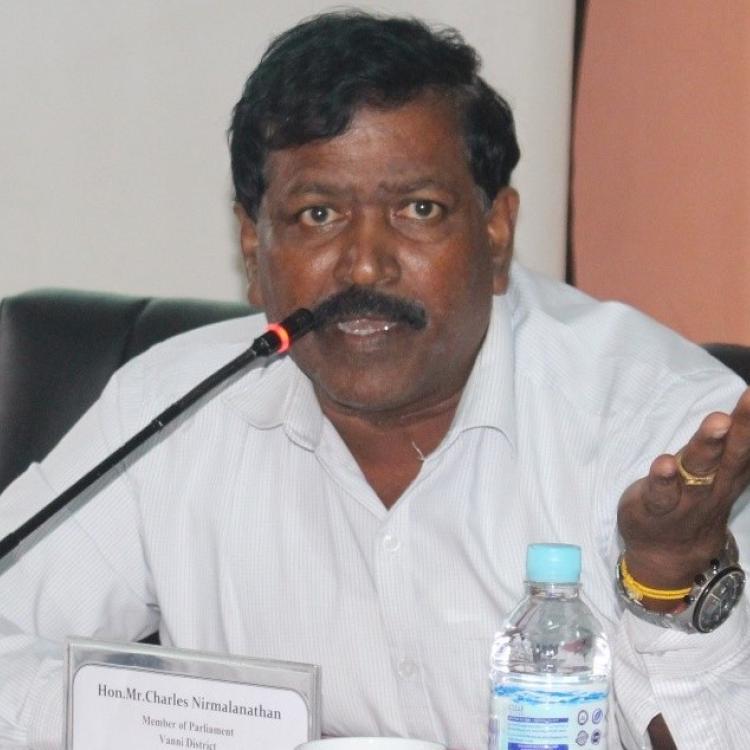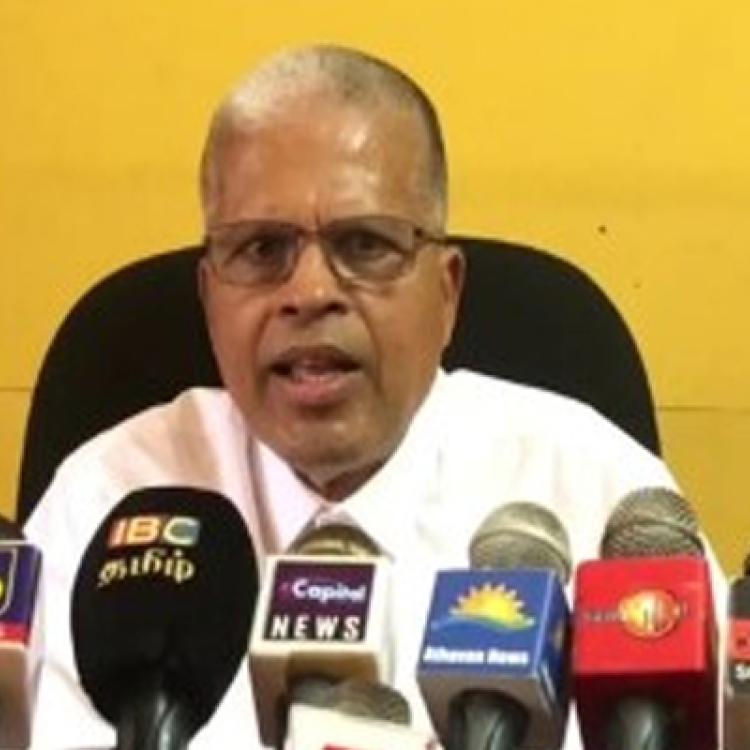
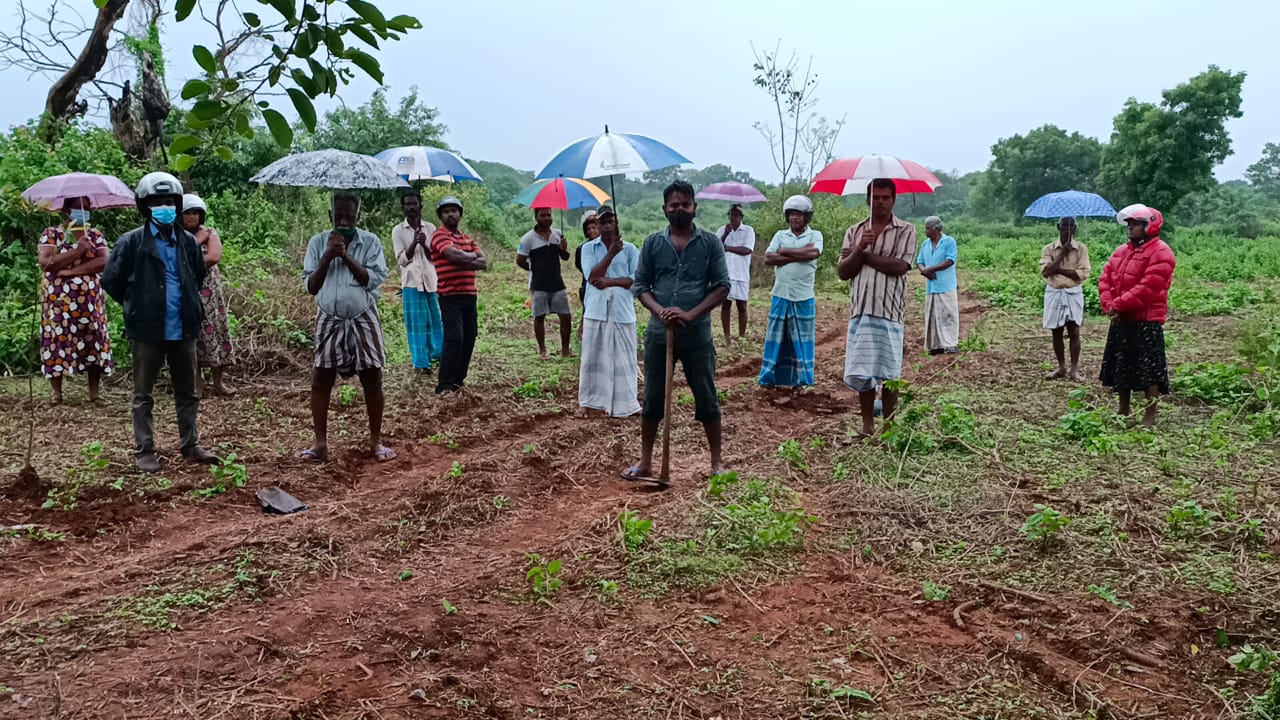
Illankai Tamil Arasu Katchi (ITAK) MP Shanmugam Kugathasan issued a sharp rebuke in Sri Lanka's Parliament earlier this month, calling for an immediate end to what he described as land seizures by Sri Lanka's Forest Department in the Trincomalee district, which have severely disrupted the livelihoods of hundreds of Tamil farmers.
Speaking during a session of Parliament, MP Kugathasan detailed how, under the guise of conservation, the Forest Department has demarcated large tracts of farmland across multiple administrative divisions, effectively blocking over 250 farmers from accessing and cultivating their ancestral lands.
“As I speak, in the Sampur Grama Sevak Division alone, 250 acres of farmland belonging to 40 farmers have been marked off by the Forest Department. Similar actions have taken place in Kilivetti, Bharathipuram, Azad Nagar and Thoppur, affecting a total of 693 acres and 252 farmers,” he said.
He added that in the Thanganagar area of the Seruvila Divisional Secretariat, 145 acres of land belonging to 85 farmers had also been seized in a similar manner.
“These activities must stop immediately. I urge the Minister of Forests to intervene without delay,” Kukathasan said.
The MP noted that land encroachment in the region is not a new issue, but a legacy of Sri Lanka’s armed conflict from 1983 to 2009, during which Tamil families were displaced en masse. In their absence, government departments including the Forest and Wildlife Departments began placing boundary stones on these lands, claiming them for conservation.
In one example, Kugathasan revealed that the Forest Department now controls approximately 12,000 acres of land in Trincomalee, which includes 205 ponds and 25 dams – all previously used by Tamil farmers. “Due to this, an estimated 24,000 metric tons of paddy production is lost each season,” he said.
In what he described as a bureaucratic anomaly, Kugathasan questioned how both the Forest and Wildlife Departments have managed to lay claim to more land than the actual geographical area of the Verugal Divisional Secretariat Division.
“The Verugal Division spans 32,042 acres. Yet the Forest Department claims 11,906 acres, and the Wildlife Department 25,242 acres – totalling 37,148 acres. People now joke that only officials in these departments can make land expand,” he said.
The situation in the Kuchchaveli Divisional Secretariat is similarly dire, according to Kugathasan. There, the Forest Department has acquired 29,430 acres and is seeking another 28,372. The Wildlife Department has claimed 7,330 acres, and the Department of Archaeology 1,087 acres. In addition, Buddhist monks have reportedly acquired 3,820 acres under religious titles such as "Pooja Bhoomi".
“These lands were all cultivated by Tamil farmers before 1985. Their seizure has disrupted paddy production on 70,039 acres in Kuchchaveli alone, resulting in the loss of 140,000 metric tons of rice per season,” he added.
Kugathasan reminded the House that although a directive was issued under the leadership of former Sri Lankan president Ranil Wickremesinghe to return such lands for cultivation, it has not been implemented. “There’s a Tamil saying – ‘Even if the priest gives his word, he will not keep it.’ Likewise, even if the government decides, the officials do not act. Are they trying to manufacture a crisis in food production?” he asked.
The MP also criticised Sri Lanka's Department of Archaeology, accusing it of acquiring agricultural land without evidence of archaeological significance. “In Thiriyai village, about 1,000 acres have been fenced off for three to four years. Yet no archaeological remains have been found. The land still isn’t returned,” he noted.
Furthermore, he raised the issue of grazing rights, stating that the Wildlife Department has seized traditional grazing grounds in Verugal, including Ankodai and Mavilaru, which has led to widespread cattle deaths due to food shortages.
“In 2008, there were 600 cattle breeders and 28,000 cattle in Verugal. Now, due to lack of grazing land, only 15,200 remain. This is an economic catastrophe for rural families,” he warned.
He estimated that over 236,000 acres of farmland in Trincomalee – once cultivated by Tamil farmers – are now blocked by various state and religious actors. He said this had led to an annual loss of roughly 500,000 metric tons of rice, further exacerbating the island’s food security issues.
“I call on the Minister of Agriculture, Livestock Resources, Land and Irrigation to prioritise the release of these lands. We must restore access to ancestral farmland, water bodies, and grazing areas, and revive irrigation systems. This is not just about the economy – it’s about justice for displaced farmers and the future of Sri Lanka’s food security,” he concluded.