
Each year on 27 November, the Tamil nation pauses at 6.05 p.m. to honour the tens of thousands of men and women who gave their lives in the struggle for independence. For years in the Tamil homeland, these commemorations were forced underground. Lamps were lit behind closed doors, portraits of the fallen hidden from the state and gatherings broken apart by armed soldiers. Not today.
Across the North-East and throughout the global diaspora, the red and yellow of Tamil Eelam has filled streets, halls and homes. Maaveerar Naal is more than just an act of remembrance. It is a political declaration, an affirmation of nationhood and a reminder that the struggle for liberation endures.
This year’s commemorations have been extraordinary. Not since before the 2009 Mullivaikkal genocide have Great Heroes’ Day events taken place on such a scale. In Nallur, the names of tens of thousands of fallen cadres have been displayed at a sprawling shrine. Portraits of Black Tigers are placed beside those of fighters from every generation. Elsewhere, red and yellow bunting has appeared in almost every town, with streets lined with flags. Thousands of parents of fallen cadres have come forward and been garlanded in public ceremonies, whilst former fighters and community groups have painstakingly cleaned the rubble of bulldozed LTTE cemeteries, assembling makeshift memorials. Some villages are marking Maaveerar Naal publicly for the first time in over 15 years. It is a remarkable resurgence, even more so given how it is all taking place under the watchful eye of the Sri Lankan military occupation.
This surge in mobilisation is not simply the result of the easing of restrictions by the Sri Lankan state. Whilst the brutal crackdowns carried out by previous regimes have not yet materialised, the threat remains. Organisers across the North-East have been repeatedly intimidated by Sri Lankan authorities this week. And more broadly, human rights defenders and activists are still being summoned by the security forces, who continue to make their presence painfully aware, from the harassment of journalists such as Kumanan, to the ongoing browbeating and surveillance of the families of the disappeared.
Instead, the rise in participation reflects a deeper, enduring appeal of Tamil nationalist politics. Just one year ago, some proclaimed that sentiment had faded. The idea of Tamil nationhood had supposedly been shattered through the election of Anura Kumara Dissanayake and his National People’s Power (NPP) coalition, they claimed. Yet the opposite is now evident. What the Tamil nation was demanding at the polls, and what it has demanded for decades, was a path towards freedom from repression.
If granted the smallest glimpse of normalcy, the Tamil people have demonstrated yet again they will seize it to express their political will – and do so with conviction. They will play songs of liberation and honour those that fought for independence, in a manner that revives the traditions of the LTTE. In doing so, they affirm the Tamil nation’s right to exist and determine its own future. It is a clarion call, issued with clarity and unwavering resolve.
Most striking this week has been the breadth of youth participation. Today, generations who grew up in the shadow of military occupation are stepping forward. They build memorials where cemeteries once stood and garland the portraits of fighters they never met. Their participation is not merely symbolic. It signals a political continuity that the Sri Lankan state has failed to extinguish through genocide, occupation and colonisation.
There can now be no denying the scale of this sentiment. Indeed, it is a fact that Tamil parliamentarians from across the political spectrum, from the establishment friendly wings of the ITAK to members of the NPP itself, have acknowledged it, with several openly paying tribute to the LTTE. Those in Colombo, and in capitals across the world, cannot ignore what is unfolding. The existence and resolve of the Tamil nation is an undeniable political reality.
This year’s commemorations make one thing unmistakably clear: the Tamil national question cannot be buried beneath military occupation, a litany of broken pledges of reforms, or the rhetoric of “reconciliation”. It requires a political settlement rooted in accountability, demilitarisation and the recognition of the Tamil nation’s collective rights. Above all, it requires acknowledging the inalienable right of the Tamil people to self-determination. Until that right is addressed honestly and structurally, the island will remain trapped in cycles of repression and resistance – and the Tamil nation will continue its struggle undeterred.
_____
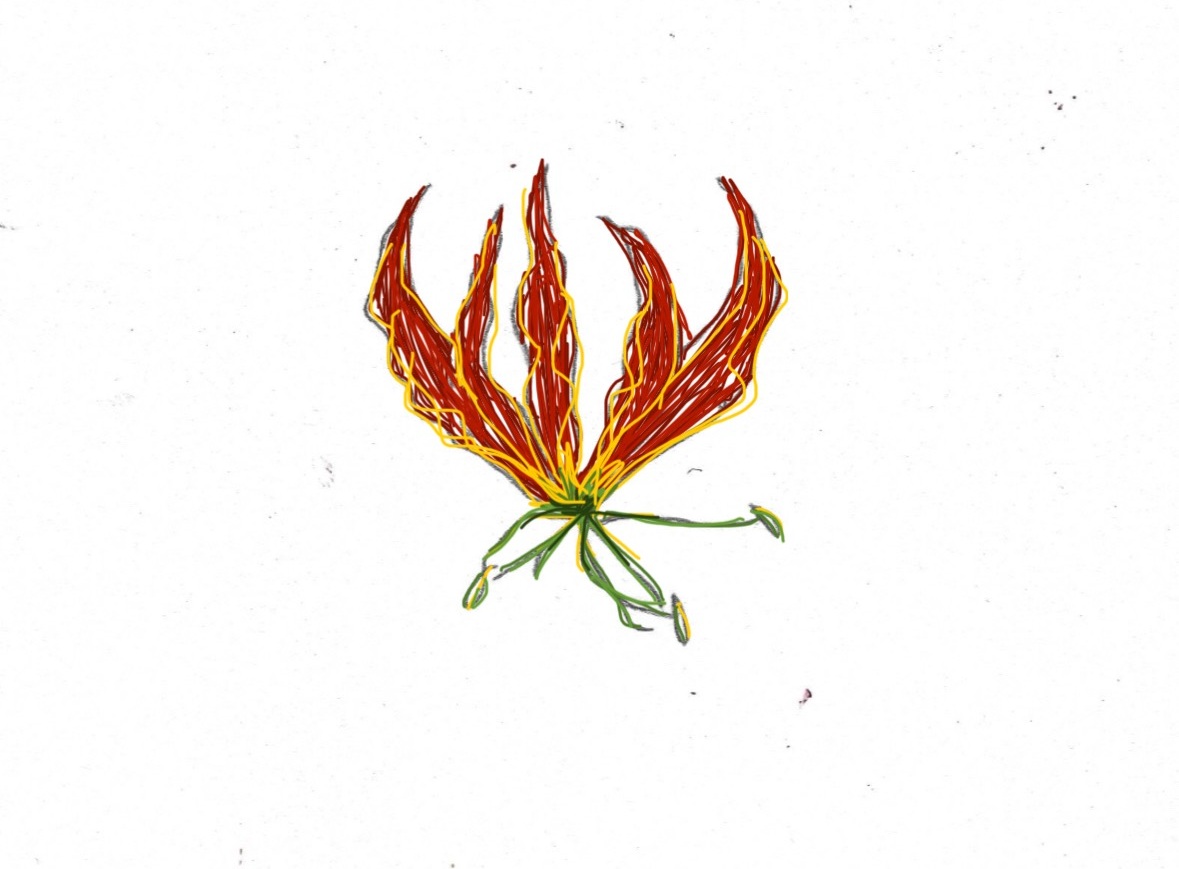
Illustration: @artby_sabi