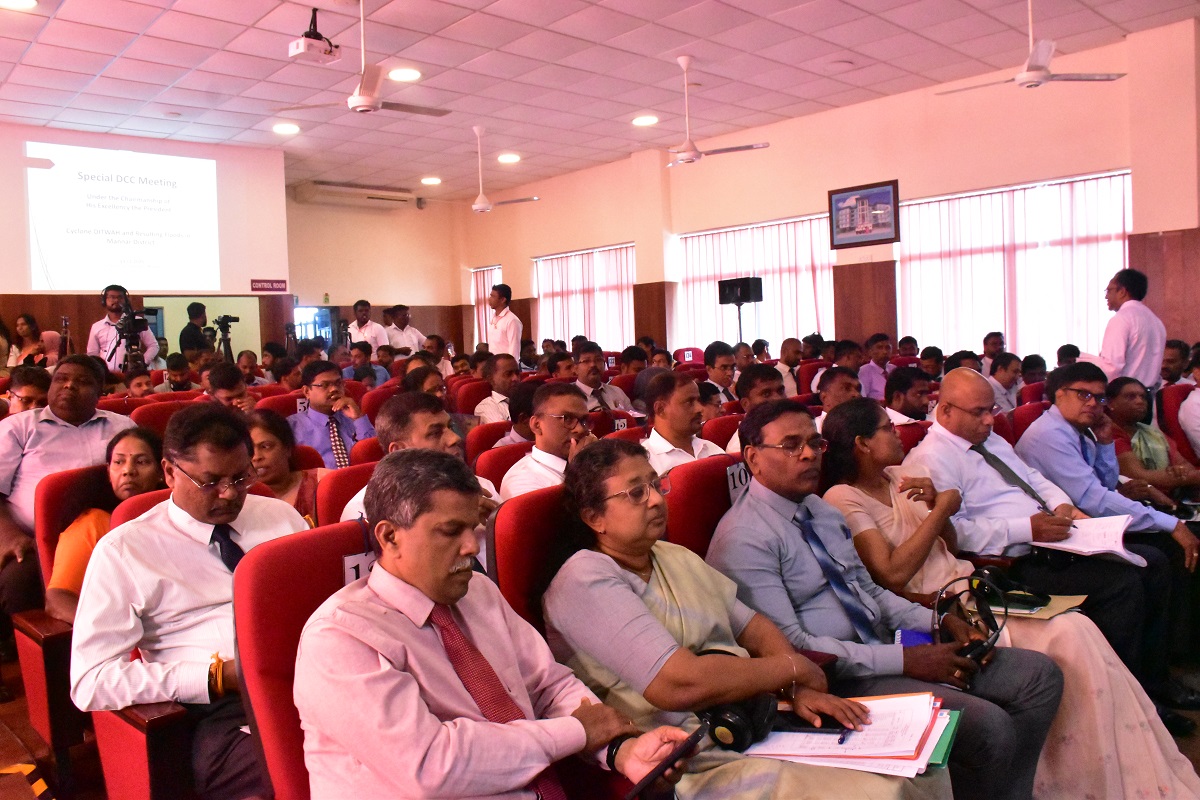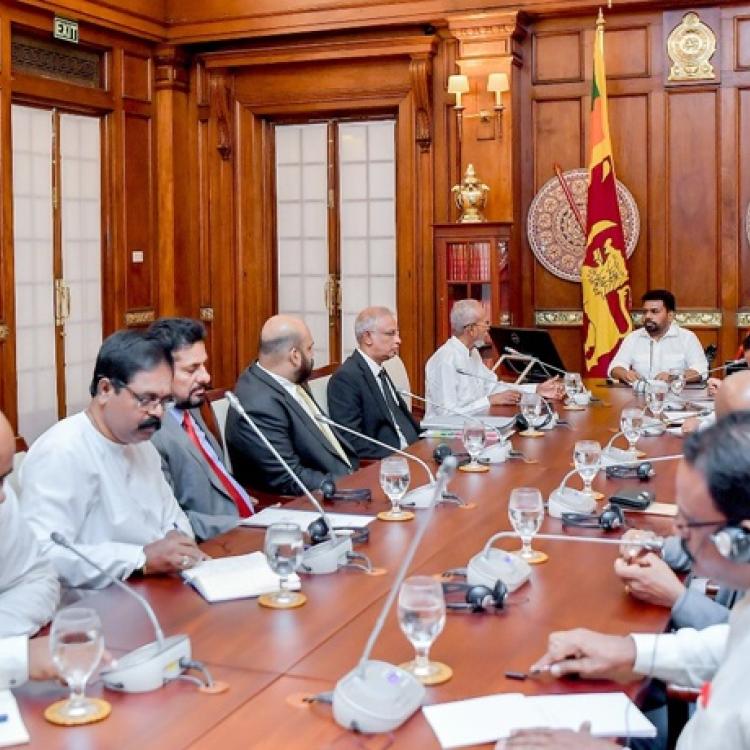
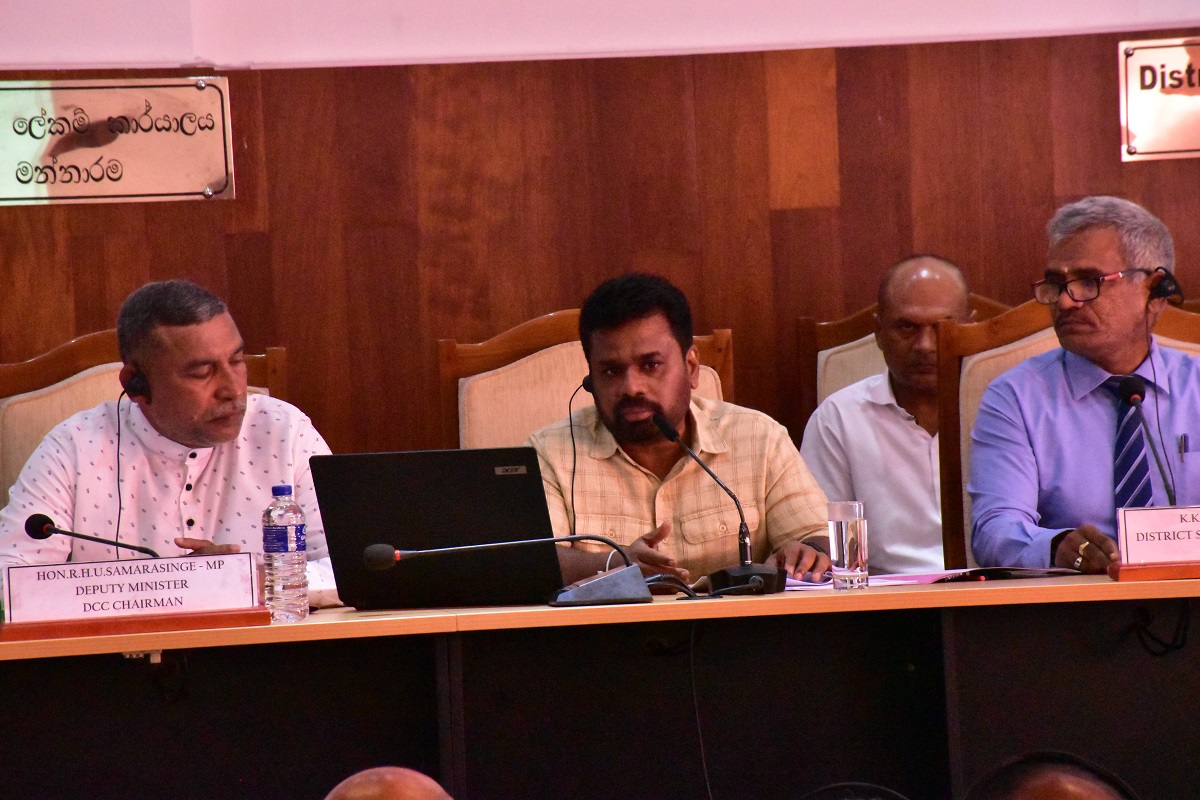
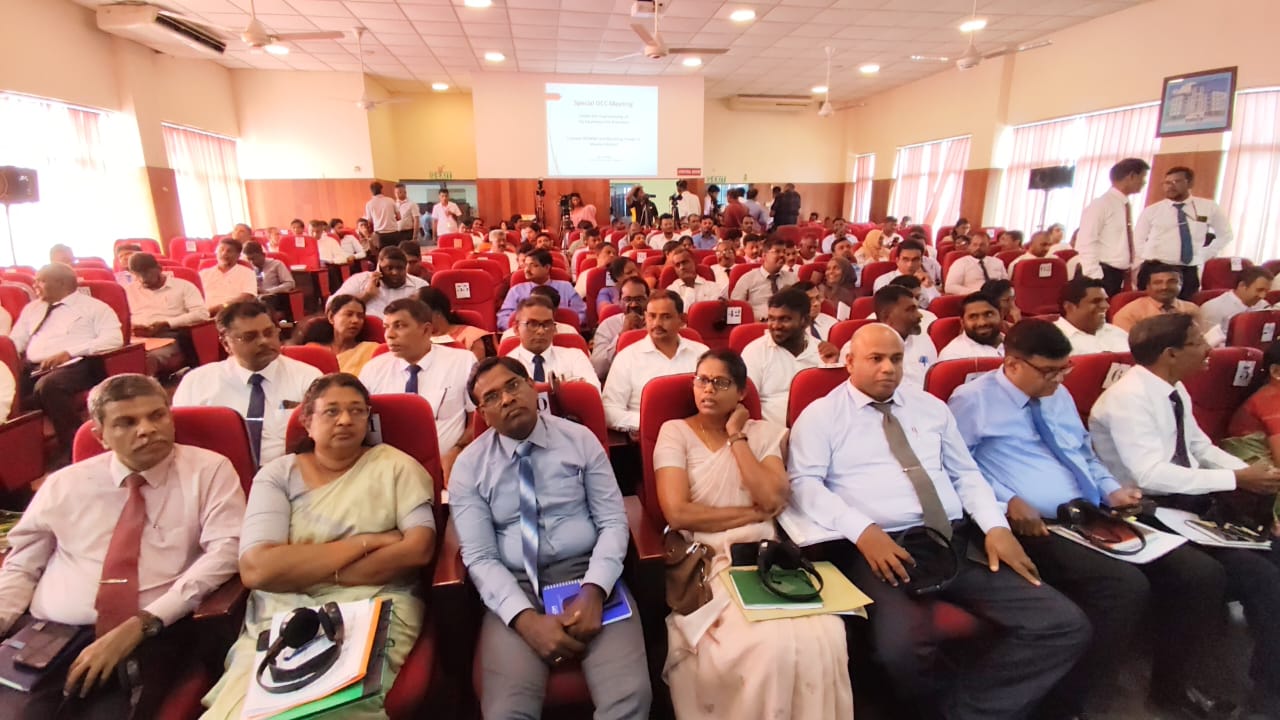
A special consultative meeting on the impact of recent floods in Mannar District was held on Friday evening at the Mannar District Secretariat Auditorium, chaired by Sri Lankan president Anura Kumara Dissanayake, amid mounting criticism over delayed relief and compensation for affected regions.
The meeting was attended by Northern Province Governor N. Vethanayagan, Members of Parliament from the Vanni District, ministry secretaries, heads of state departments, and senior officials. Discussions focused on immediate relief measures for flood-affected residents, including the distribution of dry rations, provision of medical services, and temporary shelter arrangements for displaced families.
Attention was also given to assessing damage to agriculture and livestock, with officials discussing mechanisms to expedite compensation payments for losses suffered during the disaster. Large areas of Mannar District have been severely affected by flooding in recent weeks, compounding existing economic hardship in a region already struggling with poverty, weak infrastructure, and limited state investment.
Addressing the gathering, Dissanayake said that the government would take all necessary steps to restore normalcy for those affected. “There must be no delays in relief operations. The District Secretariat and all relevant authorities must work in close coordination,” he told officials.
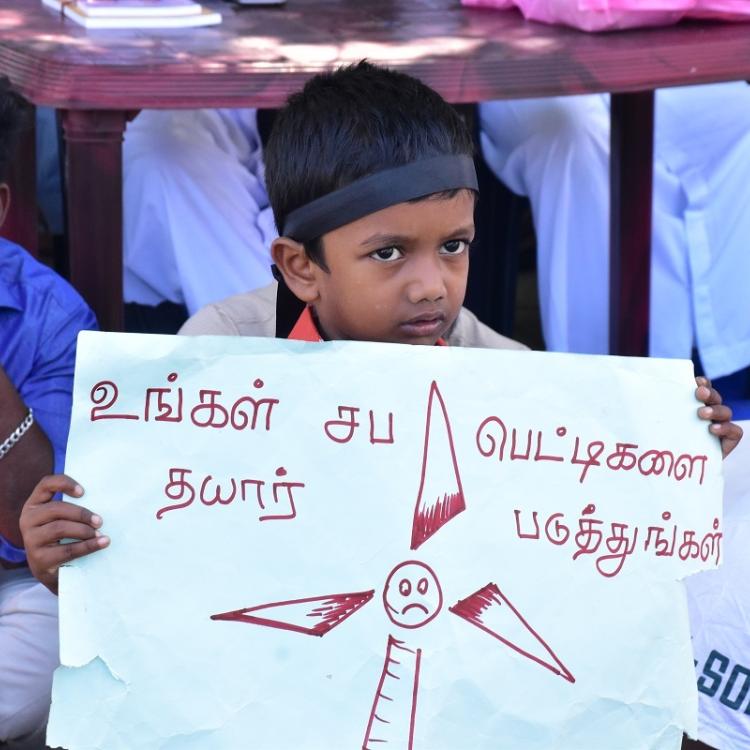
However, for many residents in Mannar, such assurances echo familiar promises made after previous disasters, with relief often arriving late or proving insufficient. Tamil in the North-East have repeatedly accused successive governments of failing to deliver timely assistance, particularly when disasters strike outside the southern districts.
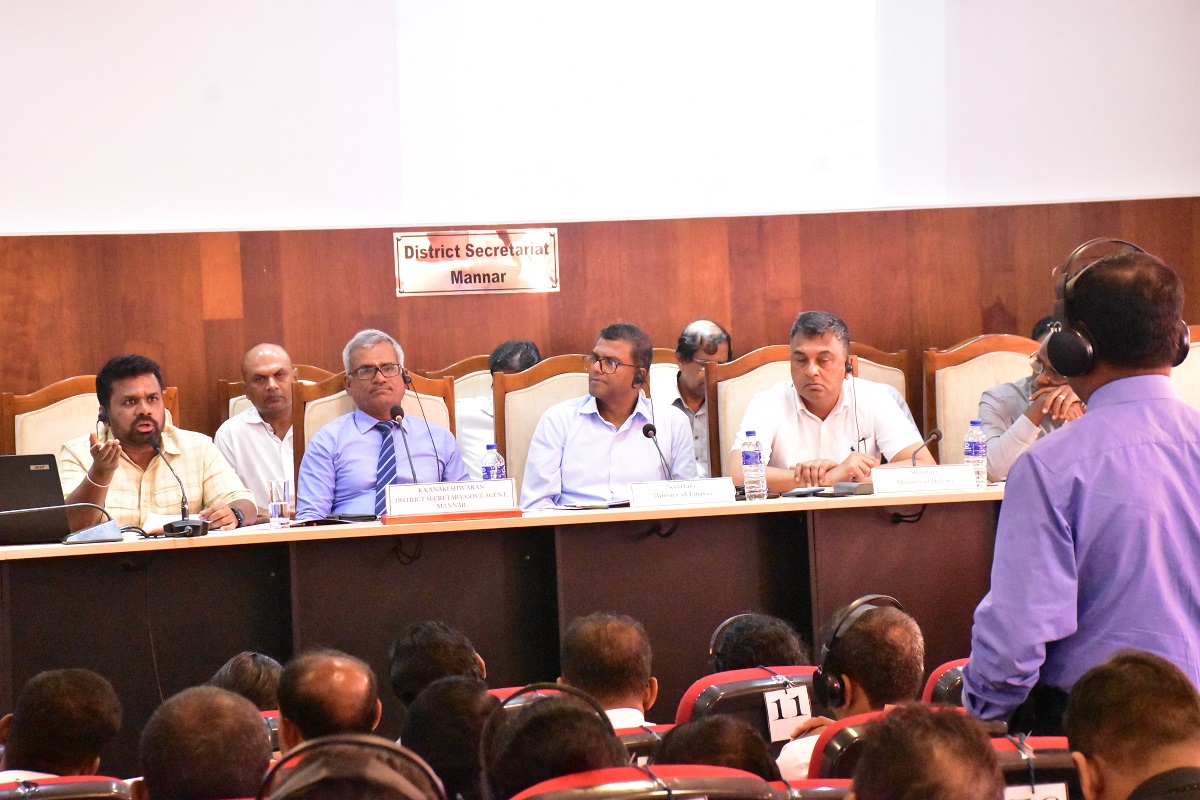
Dissanayake said further information on the flood disaster and relief assistance would be released in the coming days. He also instructed authorities, through the Government Agent, to take urgent action to address the condition of students in affected education zones, introduce support programmes for impacted children, and respond to losses across agriculture, fisheries, and other livelihood sectors.
During the meeting, Dissanayake announced that 70 families whose homes had been completely destroyed or rendered uninhabitable had been identified, and that steps were being taken to provide Rs. 5 million to each family to enable them to purchase land or construct new houses.
While the announcement was welcomed by some, affected residents have stressed that many families remain unaccounted for and that relief on the ground has been uneven. Civil society groups and local representatives have warned that without transparent implementation and sustained follow-up, such pledges risk remaining little more than public statements.