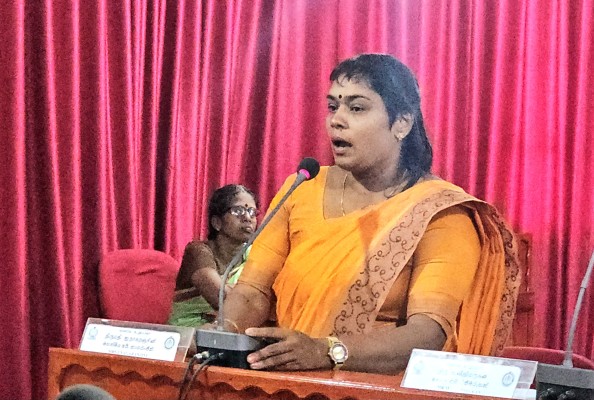
Tamil residents of Valikamam West are being forced to buy drinking water after the Sri Lankan navy and army extracted tens of thousands of litres daily from village wells, leaving them saline, warned local council member I. Nagaranchini.
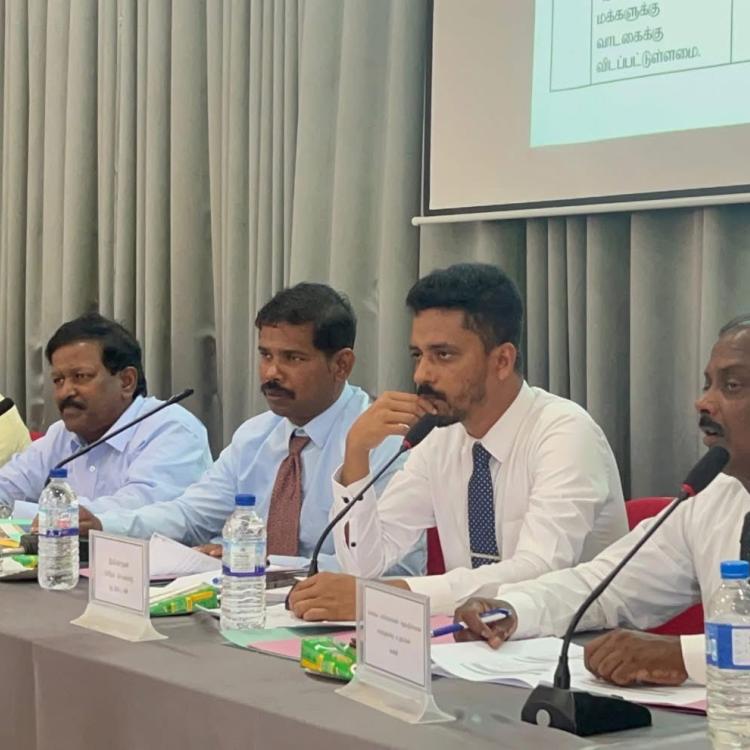
Speaking at the monthly sitting of the Valikamam West Divisional Council on Friday, Nagaranchini said the already water-scarce region is being pushed into crisis as military camps plunder local resources.
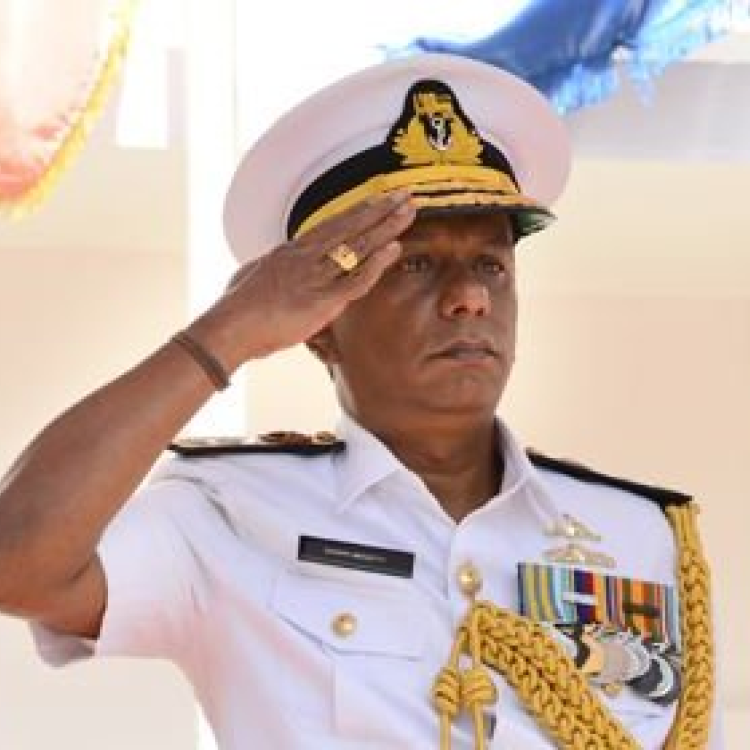
The Divisional Council is unable to provide adequately for the people’s needs, she told the chamber. In such a situation, the Sri Lankan Navy enters the villages daily and extracts more than 10,000 litres of water, depleting local resources, she added, demanding that they must no longer be permitted to take water. She called on the Council to send an official letter to the officer in charge of the naval camp.
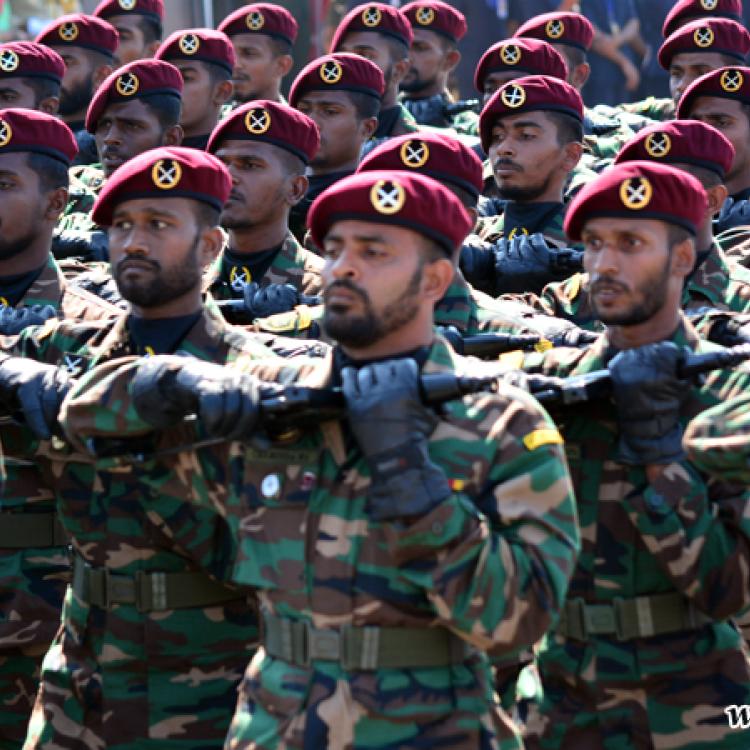
Her intervention highlighted how villagers are paying the price of the military’s presence. From one well in the paddy fields of Araly Aaladi, she said, the Aralythurai army camp draws more than 30,000 litres of water three times a day.
Once a crucial source of drinking water for local families, that well has now turned brackish from relentless extraction. Nearby wells too have been affected, forcing residents to buy water from the Divisional Council at additional expense, though even the Council cannot meet demand.
The crisis has fuelled growing anger among farmers who fear their livelihoods are now at risk. “The armed forces and the navy must be prohibited from drawing water from the people’s wells,” Nagaranchini stressed.
The military’s appropriation of Tamil land and resources has been repeatedly condemned by local representatives across the North-East. Despite repeated calls for demilitarisation, Colombo continues to maintain one of the densest military occupations in the world in the Tamil homeland, entrenching economic, social and environmental hardship for the population.