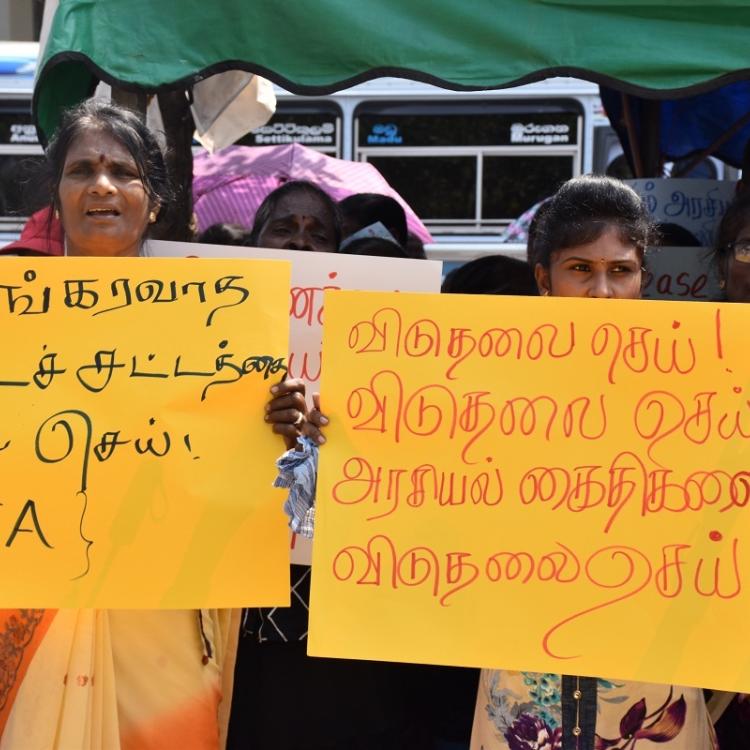
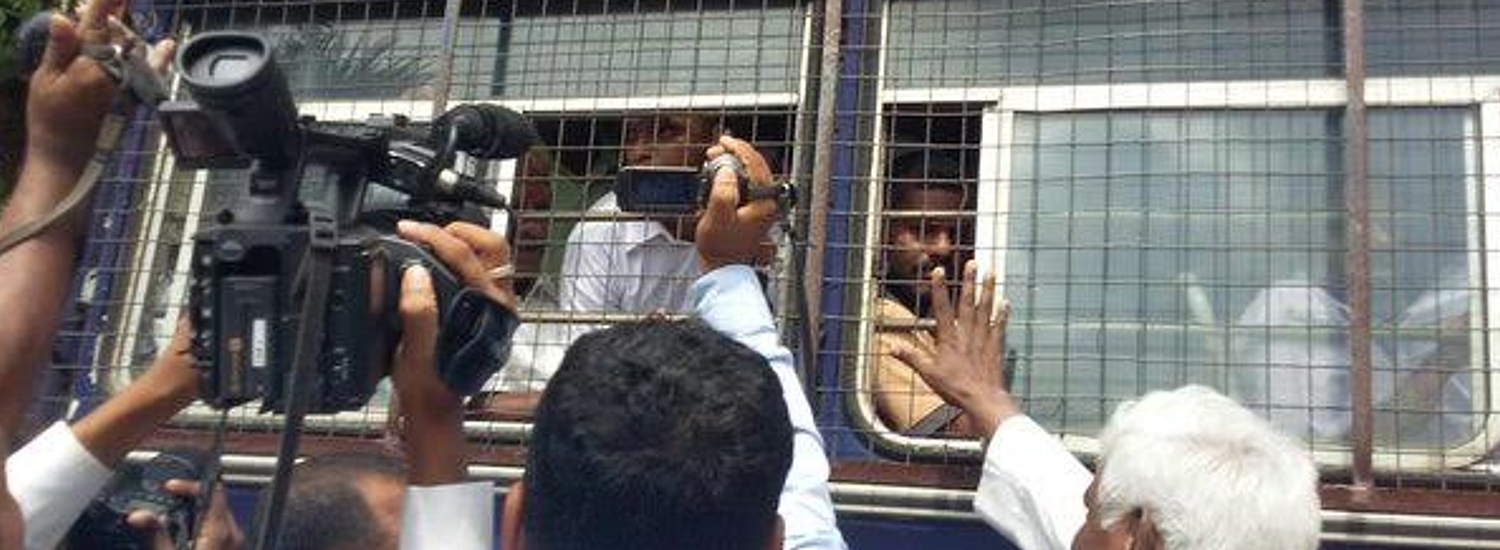
The Human Rights Commission of Sri Lanka (HRCSL) has written to the Minister of Justice and National Integration, Harshana Nanayakkara, urging the repeal of the Prevention of Terrorism Act (PTA), following its findings in the case of Mohamad Liyaudeen Mohamed Rusdi.
The Commission concluded that Rusdi's fundamental rights were violated during his arrest and detention under the PTA by the Counter Terrorism and Investigation Division (CTID) of the Sri Lanka Police.
The HRCSL issued its findings and recommendations in Case No. SUO MOTU-08-25 on 12 June 2025, and forwarded them to multiple authorities including the Attorney-General, the Inspector General of Police, and the Chairman of the Committee tasked with drafting a new anti-terrorism law.
Rusdi was arrested on 22 March 2025 by the CTID, with a detention order subsequently issued by Sri Lankan president Anura Kumara Dissanayake in his capacity as Minister of Defence on 24 March. The main allegations included displaying stickers at Colombo City Centre, alleged associations with members of extremist organisations, and purported extremist views. However, the Commission found that no offence had been committed under the PTA and that his detention was based on vague suspicions.
The Commission condemned the CTID for failing to produce Rusdi before a judicial officer, detaining him for 14 days without evidence, and securing a detention order without reasonable cause. His release on 7 April 2025 was subject to a restriction order that remains in force, imposing conditions such as reporting weekly to the CTID, notifying authorities before travelling or changing residence, and seeking permission to travel abroad.
On 30 May 2025, the Sri Lanka Police Media Division issued a prejudicial statement regarding Rusdi’s alleged mental state and the risk of “religious extremism”, which the Commission denounced as discriminatory and harmful to his public image.
During an inquiry held on 10 April and 21 May 2025, the CTID admitted that the slogans on the stickers did not constitute an offence. The Commission found that the CTID’s belief in Rusdi’s ‘extremist’ views stemmed from personal and political opinions related to the situation in Palestine, and not any credible indication of criminal activity. Additionally, the CTID’s use of ‘third-party contacts’ via phone records to claim links to extremists was deemed baseless.
The HRCSL concluded that Rusdi’s treatment amounted to racial profiling, violating his constitutional rights to equality, non-discrimination, freedom of expression, thought, religion, movement, lawful employment, and protection from arbitrary arrest and detention. It determined that the detention and restriction orders were ultra vires and lacked legal basis.
Key recommendations issued to the CTID include:
-
Immediate discontinuation of the restriction order against Rusdi.
-
Mandatory legal consultation before arresting individuals for expressive conduct.
-
Production of suspects before a Magistrate within 72 hours of arrest.
-
Improved transparency with suspects' families and legal representatives.
-
Prohibition of racial profiling and prejudicial media statements.
-
Psychological assessments by independent professionals if mental health concerns are raised.
The Commission also recommended that the Ministry of Public Security pay Rusdi Rs. 200,000 in compensation for the harm caused to his reputation and employment opportunities.
HRCSL highlighted Rusdi’s case as emblematic of the PTA’s structural flaws, including vague offences, prolonged detention without trial, the absence of judicial oversight, and the use of police-obtained confessions. The Commission strongly urged the repeal of the PTA and advised that any future terrorism-related legislation adhere to international human rights standards.
Specifically, the Commission recommended that terrorism offences be clearly defined under general criminal law and include judicial oversight, bail provisions, access to legal counsel, and admissibility standards for confessions limited to those made before a judicial officer.
The HRCSL cautioned against the introduction of a new counter-terrorism law that could legitimise preventive detention or racial profiling, warning that Rusdi’s case illustrated how authorities might misuse such provisions under the guise of national security.
The Commission reiterated its commitment to constructive engagement with the Ministry of Justice on legislative reform and directed the CTID, IGP, and the Ministry of Public Security to implement its recommendations by 15 July 2025 and report progress.