
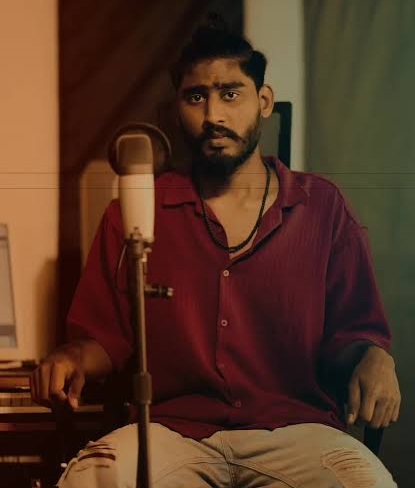
The Sri Lankan government has claimed that detained Tamil rapper Ganeshkumar Sangeethan was arrested for allegedly using Liberation Tigers of Tamil Eelam (LTTE) symbols in videos uploaded to YouTube and other social media platforms, as public anger continues to grow over his detention under the Prevention of Terrorism Act.
The claim, attributed to an unnamed senior minister in the Sunday Times, comes after days of protests across the Tamil homeland and abroad demanding the release of the 24-year-old artist, who is also known as HipHop Sangee.
Sangeethan was arrested earlier this month under the PTA after Sri Lankan authorities alleged that material linked to his songs promoted the LTTE.
His detention has prompted criticism from Tamil political parties, lawyers, artists, civil society groups and international human rights organisations, who have warned that the case reflects the continued criminalisation of Tamil political and cultural expression.
According to the Sunday Times, the government now claims that the arrest was linked not simply to songs described as pro-LTTE, but to the alleged use of LTTE symbols in videos uploaded to Sangeethan’s YouTube and other social media accounts.
“The government has allowed people to remember the dead without any disturbance, but that must not be used to commemorate the LTTE or propagate the cause of Eelam,” a senior minister said.
The remarks are likely to deepen criticism of the National People’s Power administration, which came to power promising democratic reform, justice and a break from the repressive practices of previous governments.
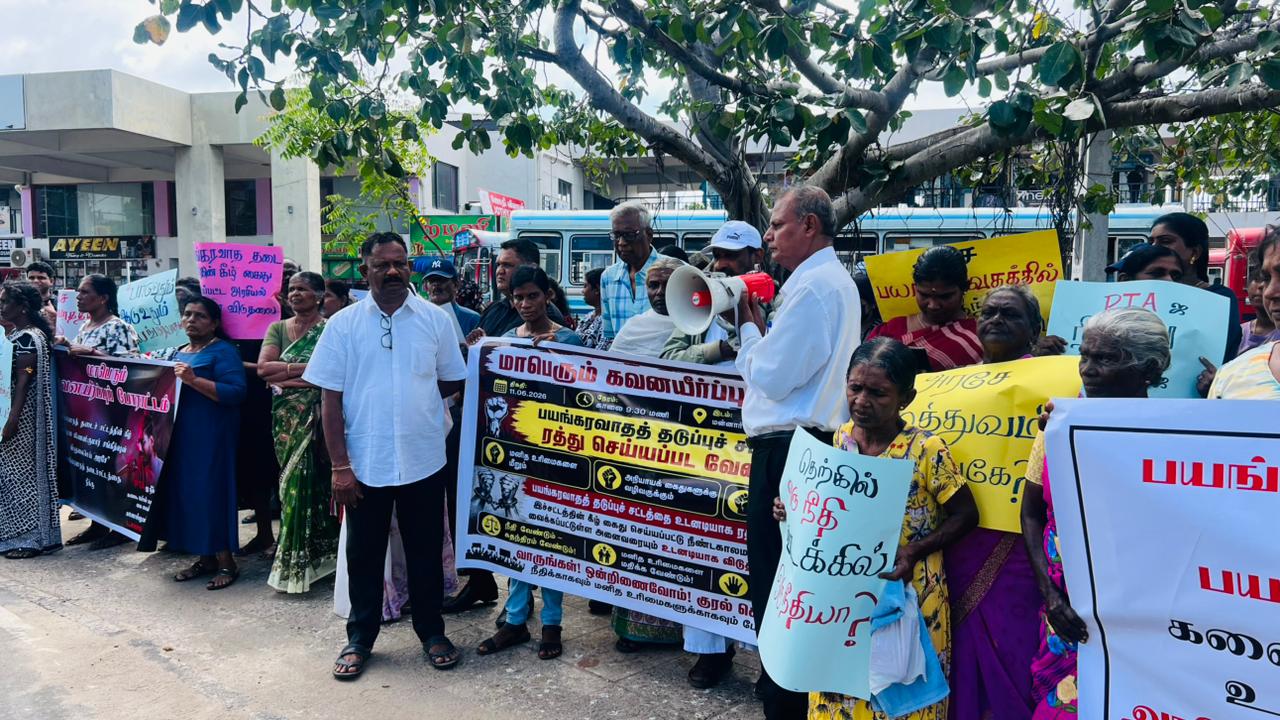
The arrest of Sangeethan has already become a flashpoint in the North-East.
Protests have been held in Kilinochchi, Vavuniya, Valvettithurai, Mannar and Colombo, with demonstrators calling for his immediate release and the repeal of the PTA.
Other demonstrations have also taken place in Paris and London.
.jpg)
The PTA has been used disproportionately against Tamils for decades, enabling prolonged detention without trial, coercive interrogation and the suppression of Tamil political expression.
Successive Sri Lankan governments have pledged to repeal or replace the legislation, but the law remains in force and continues to be used against Tamil voices in the North-East.
The government’s latest claim over alleged LTTE symbols will do little to ease concerns over the case. For Tamils, the issue is not merely whether the state can distinguish between mourning the dead and expressing political memory. It is whether Sri Lanka continues to reserve for itself the power to decide which Tamil memories, songs, symbols and histories may be spoken, performed or shared without fear of arrest.