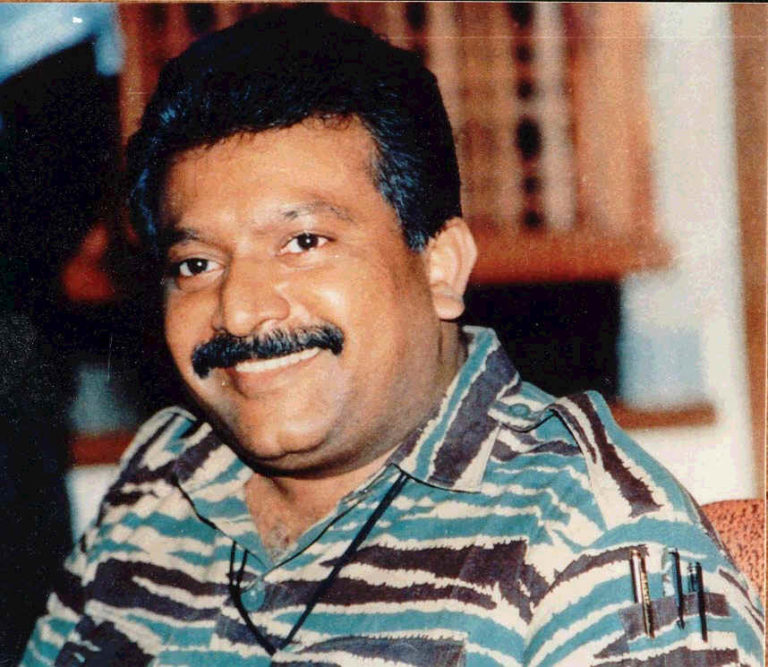
File photograph: LTTE leader Prabhakaran
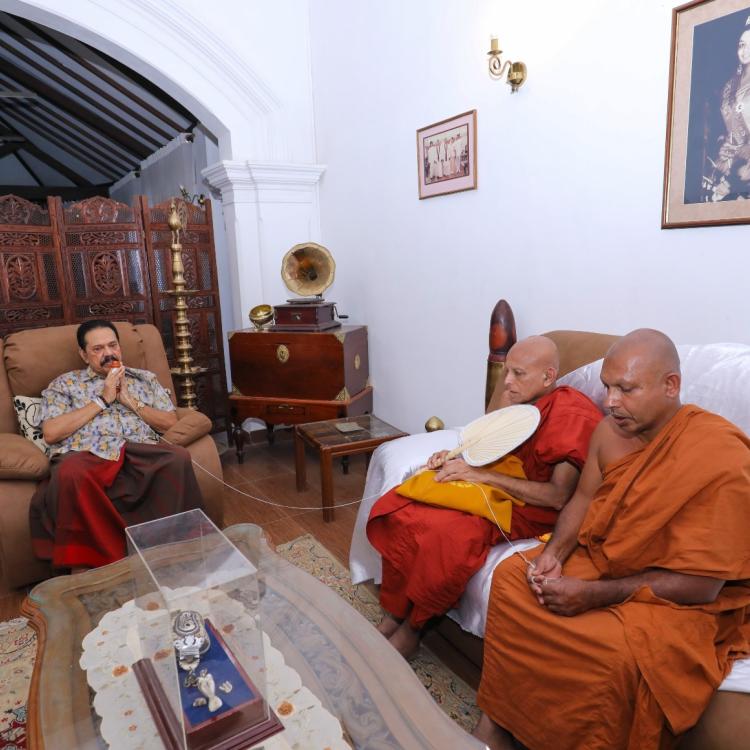
A spokesperson for former Sri Lankan president and accused war criminal Mahinda Rajapaksa has claimed that the Liberation Tigers of Tamil Eelam (LTTE) leader Velupillai Prabhkaran “would be pleased” with the way Colombo has treated the ex-head of state, after he was compelled to vacate his official residence in Colombo under new legislation.
Attorney-at-Law Manoj Gamage, who serves as Rajapaksa’s media representative, said on Monday that forcing the former president to leave his Wijerama residence “appeared to fulfil promises made to the LTTE diaspora,” according to the Daily Mirror.
“At a time when the country is facing far more pressing issues, the government chose to threaten the former President and compel him to leave his official residence,” he added.
The remarks come after Parliament passed the Presidents’ Entitlements (Repeal) Act last week, which stripped former heads of state, their widows and retired MPs of housing and other privileges. Rajapaksa, who oversaw the military offensive in 2009 that massacred tens of thousands of Tamils, vacated the premises less than 24 hours after the law was enacted.
Gamage nonetheless insisted that the government’s move amounted to mistreatment of a “leader who safeguarded the country by ending a 30-year civil war.” He added that members of the ruling National People’s Power (NPP) had contacted the Rajapaksa camp to express concern.
Although Rajapaksa has left the premises, his spokesperson said that his belongings would be formally handed over after a week.
Rajapaksa’s eviction has been hailed by some as a rare instance of accountability for the family that dominated Sri Lankan politics for nearly two decades. However, despite losing state privileges, neither Mahinda nor any other senior military or political leader has faced trial for their role in the mass atrocities committed during the final phase of the armed conflict.