As Sri Lanka approaches the final stages of its current US $3 billion International Monetary Fund (IMF) bailout programme, IMF First Deputy Managing Director Dr Gita Gopinath issued a stark warning in Colombo this week, stressing that there is “no room for policy errors” and that this must be the last such rescue package the island requires.
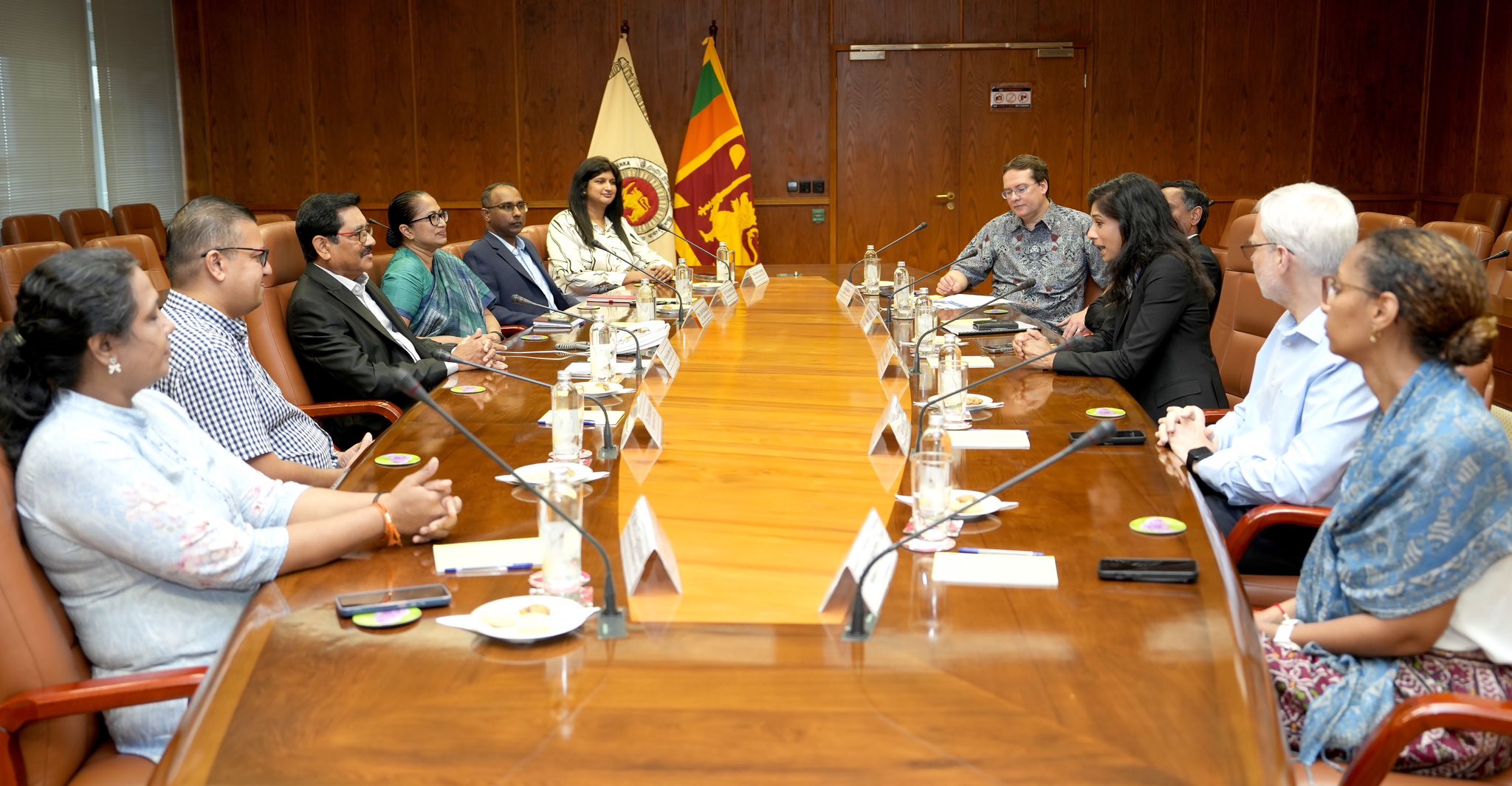
Speaking at a high-level policy forum held at the Shangri-La Hotel on Tuesday, Gopinath remarked, “This time must be different. As President Dissanayake has said, let us ensure this is the last IMF program Sri Lanka will need. We agree, and believe this is possible if Sri Lanka stays the course.”
Her comments come as Sri Lanka reaches a staff-level agreement with the IMF on the fourth review of its bailout package, which unlocks a further US$344 million in financing, pending approval from the IMF Executive Board. The agreement forms part of a four-year Extended Fund Facility approved in March 2023, after Sri Lanka’s economy collapsed in 2022 with record-high inflation, widespread shortages and a sovereign default.
Acknowledging the severe economic toll on the public, Gopinath said, “Let us be clear: none of the achievements thus far would have been possible without the courage and sacrifice of the Sri Lankan people. The crisis was costly and painful, particularly for the poor.”
She noted that Sri Lanka had made tangible progress in stabilising inflation, restoring modest economic growth, and raising tax revenues. However, she cautioned that the country now stood at a crucial crossroads. Of Sri Lanka’s 16 prior IMF programmes, nearly half had failed to reach completion, largely due to what she termed “reform fatigue and political backsliding”.
“This is why there is no room for policy errors,” she said. “The choice facing countries today is between reform and regret. Between building buffers or risking future crises.”
Gopinath called for continued momentum in structural reforms, with a particular focus on fiscal governance, anti-corruption measures and inclusive policymaking. She emphasised the need for transparency and the inclusion of voices from across the country, beyond the political and economic elite in Colombo.
“Public dialogue matters. Transparency matters,” she stated. “Engaging civil society and listening to diverse voices… will help ensure that policies are responsive and responsible.”
Referencing Sri Lanka’s debt restructuring efforts, Gopinath revealed that US$3 billion in debt had been forgiven and a further US$25 billion had been restructured to ease repayment terms and improve long-term credit sustainability. She stressed the importance of not repeating past errors, stating, “The experience with the debt restructuring drives home the importance of managing the economy such that a similar situation will never arise again.”
Concluding her address, Gopinath reaffirmed the IMF’s commitment to Sri Lanka, but made clear that future stability depended on consistent and accountable governance. “The IMF will remain a steadfast partner as Sri Lanka pursues stable and inclusive growth that improves the lives of all citizens and future generations,” she said. “This time must be different.”