
It has been a deeply painful week. As tens of thousands of Eelam Tamils gathered to mark Maaveerar Naal, or Great Heroes’ Day, Cyclone Ditwah tore across the island. It particularly devastated the already war-scarred North-East and inflicted catastrophic damage on the central highlands. Entire communities have been submerged, including the already vulnerable and marginalised Malayaga Tamils, with hundreds killed, and hundreds of thousands displaced. It is a tragedy that could have, and should have, been mitigated.
As many have described in detail, this is not a disaster that was unforeseen. Weeks before the cyclone made landfall, the Director-General of Sri Lanka’s Meteorological Department publicly noted the extreme weather patterns building over the region. His warnings were roundly ignored by the Sri Lankan government. Despite the impending storm, there was no preparation or mobilisation. It was only after the cyclone struck that a high-level emergency meeting was finally convened. By then, the destruction was already unfolding, and lives had already been lost. The consequences of delay were devastating and deadly.
When the need for urgent communication became clear, yet another failure emerged. Critical emergency updates from the government were issued in Sinhala, with only fragmentary and delayed information available in Tamil. For Eelam Tamils, Malayaga Tamils and Tamil-speaking Muslims, many of whom reside in the most disaster-prone areas, this was a stark reminder of the discrimination that remains embedded in the structures of the Sinhala-dominated state. After decades of struggle, sacrifice and bloodshed, particularly over language rights, the refusal to communicate life-saving information in Tamil during a natural disaster is indefensible.
This cannot be put down to a trivial administrative lapse. It is systemic and structural racism in practice.
What makes this failure even more telling is that the National People’s Power (NPP) government has over the last year boasted of its supposedly historic support in the North-East. If that were true, ensuring language parity in disaster communication should have been the easiest of reforms. Hiring Tamil-speaking officers, issuing trilingual alerts, and respecting the rights of Tamil citizens does not require commissions, committees or constitutional amendments. There are no logistical hurdles. It simply requires straightforward political will. The absence of such shows clearly where the priorities of this government lie.
The pattern of broken promises of reform is not unfamiliar. Whilst the NPP has been swift at targeting financial corruption and tackling its political opponents it is far from being a transformative force it marketed itself to be. Indeed, in many ways it replicates the exact same weaknesses and bias of regimes before it, including a willingness to placate Sinhala-Buddhist majoritarian interests. It could not bring itself to challenge the illegal Buddha statue erected in Trincomalee. It has stood by as the Tissa Vihara’s illegal occupation continues in Jaffna. It has refused to address ongoing land grabs and Sinhalisation of the North-East. It has failed to challenge the military occupation of Tamil land. It has dragged its feet on abolishing the Prevention of Terrorism Act. And now, when the lives of Tamils were at direct risk, it failed them again.
Tamil safety, dignity, and rights remain expendable to the Sri Lankan state, regardless of which political party sits in office.
This is not new. Twenty-one years ago, the Boxing Day tsunami devastated coastal regions across the island. At the time, the JVP — now a central pillar of the NPP coalition — openly opposed the equitable distribution of aid to Tamil areas. Their racism was brazen. Tamil families suffered and died because their lives were deemed less worthy of urgent relief.
The uncomfortable question now facing Anura Kumara Dissanayake’s regime is simple. What has changed since then?
______
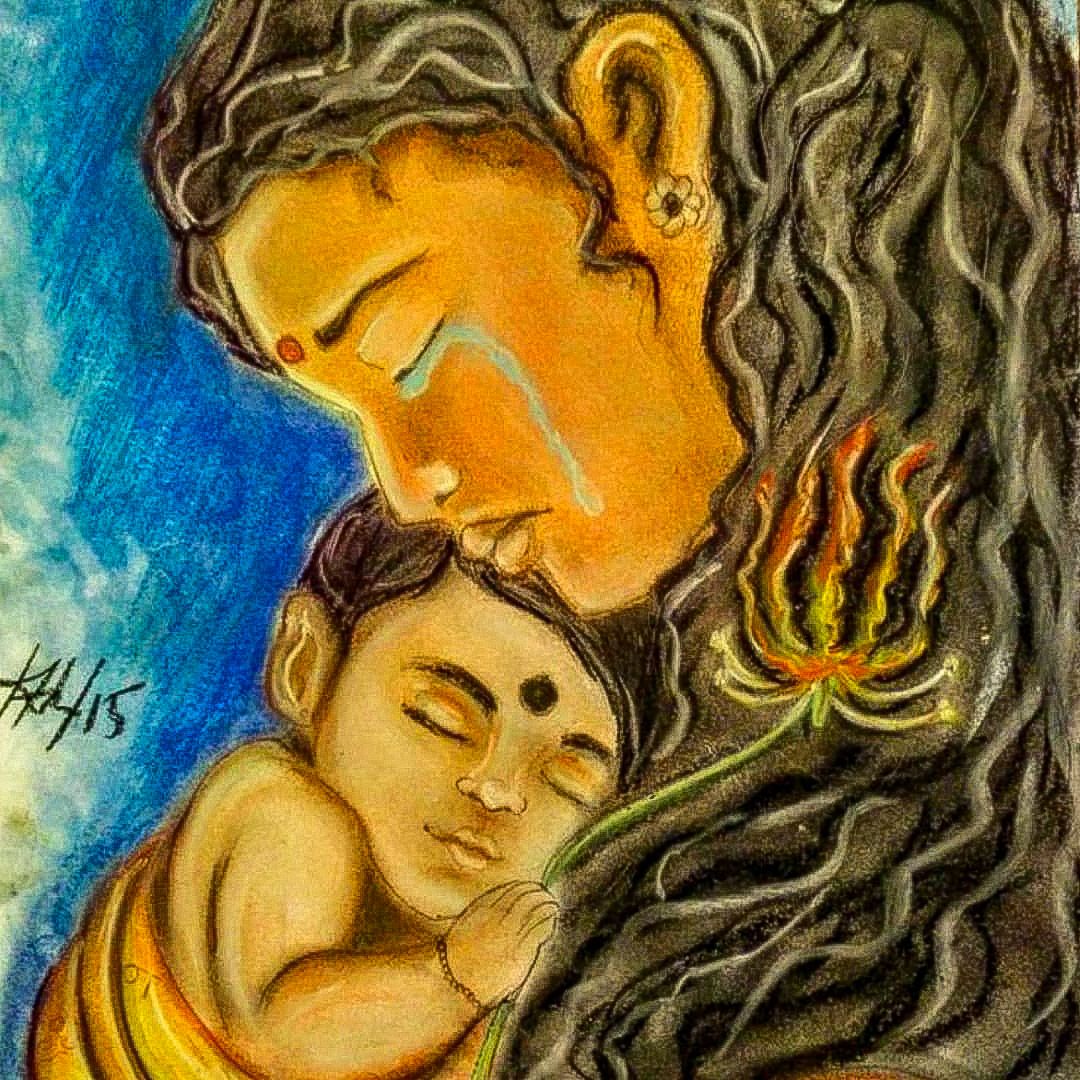
Illustration by Keera Ratnam.