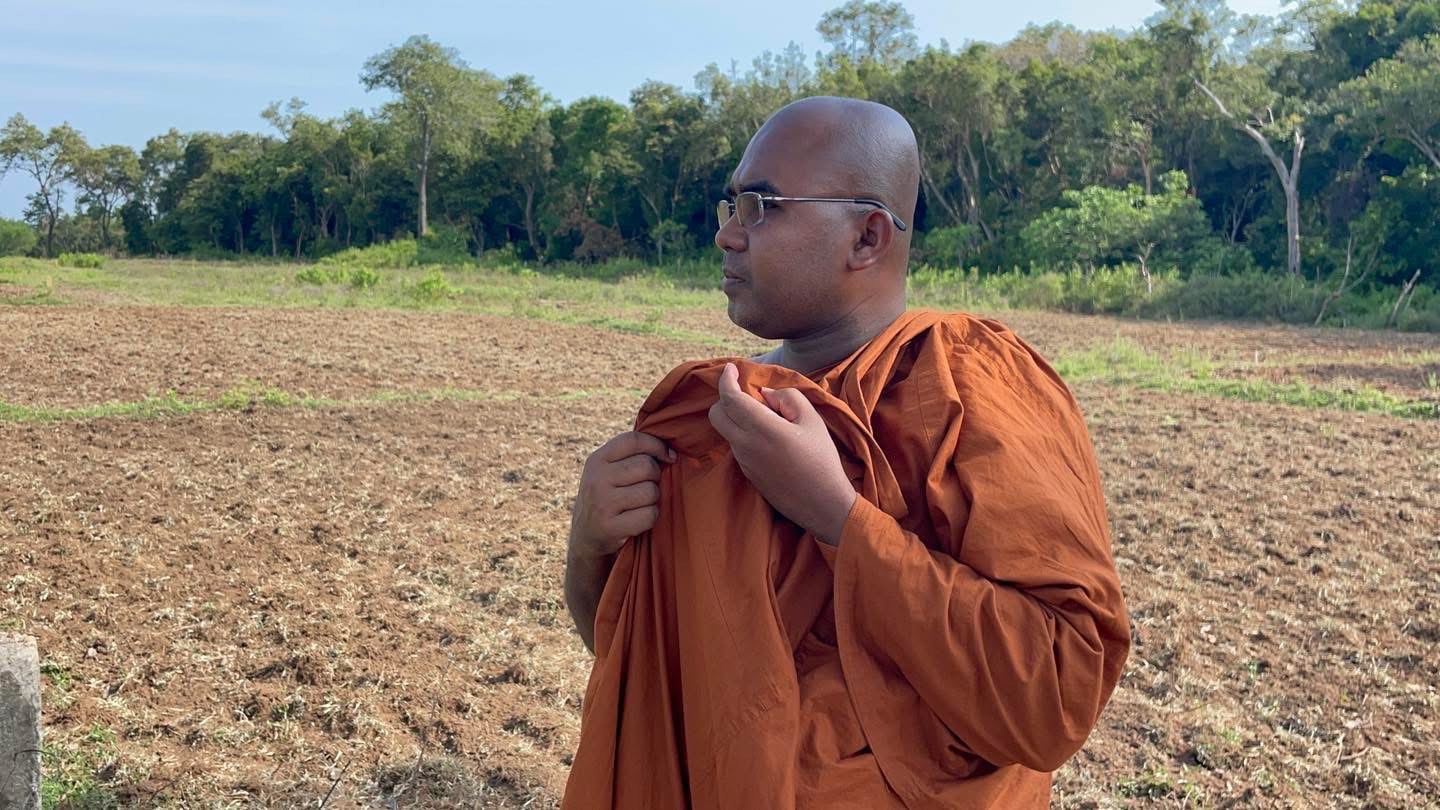
Two Tamil farmers from Kurunthurmalai in Mullaitivu have been further remanded until 7 June, following a complaint by a Sinhala Buddhist monk alleging damage to an “archaeological” site.
The farmers were initially arrested on 10 May while working on their own farmland. They were first remanded until 15 May, with subsequent extensions granted by the Mullaitivu Magistrate’s Court, first to 29 May and now to 7 June.
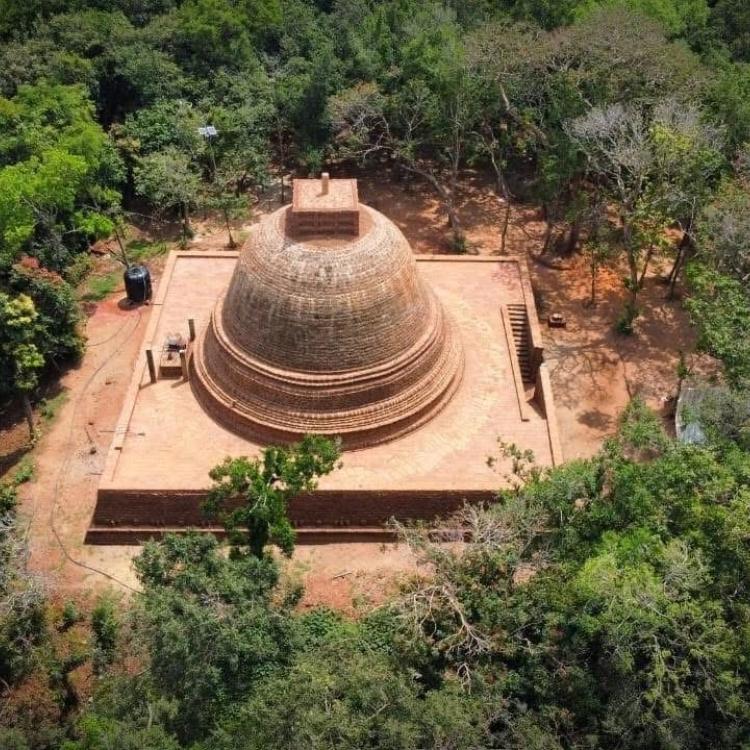
The arrests followed a complaint by Galgamuwa Santha Bodhi to Sri Lanka’s Department of Archaeology, accusing the farmers of damaging a site of alleged archaeological significance. The monk has played a prominent role in the ongoing campaign to claim Tamil land in Kurunthurmalai as a Sinhala Buddhist heritage site.
Despite repeated legal efforts by attorneys representing the farmers, bail has been consistently denied. Both the Department of Archaeology and the Sri Lankan police strongly opposed their release, citing the complaint and ongoing investigations.
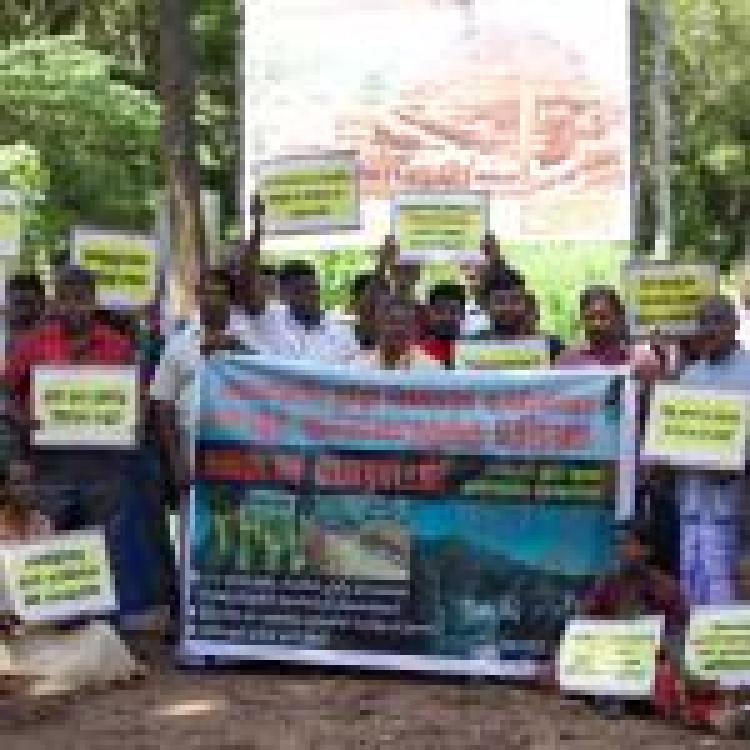
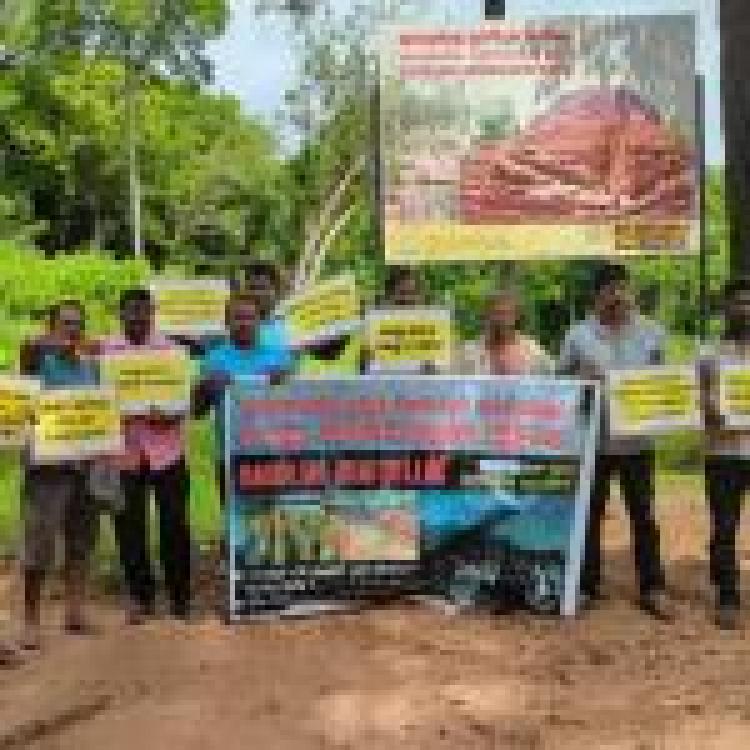
The case has intensified long-standing concerns over the politicised use of archaeology in the North-East, where Tamils have repeatedly accused the Sri Lankan state of using heritage claims to displace local residents and assert Sinhala-Buddhist dominance over contested lands.
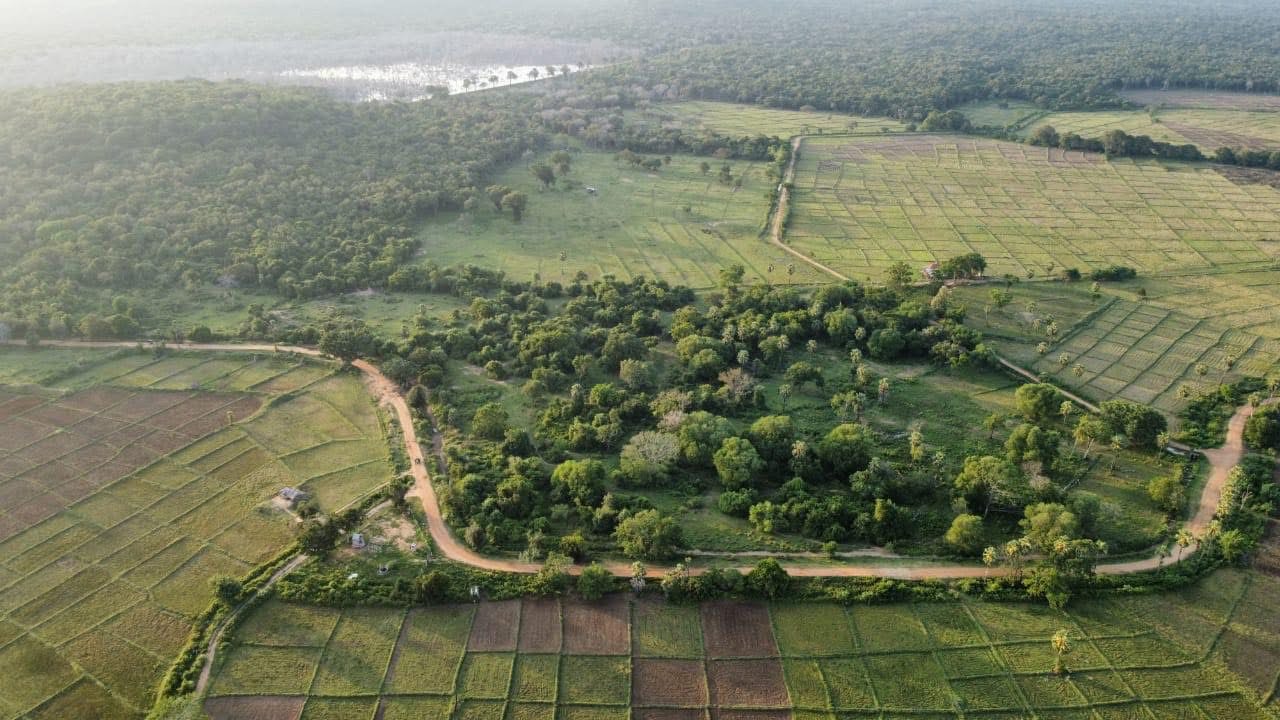
Kurunthurmalai has become a flashpoint in this broader struggle. Tamil farmers in the region have long cultivated the land, while Buddhist monks, backed by Sri Lanka’s Department of Archaeology and state security forces, have sought to construct Buddhist structures at the site, often in defiance of court orders.
The continued detention of the two farmers, despite their arrest occurring on their own private land, has also drawn attention to wider patterns of state-led encroachment in the Tamil homeland, facilitated by the military, archaeology department, and religious institutions.