The annual Mahotsavam, or grand festival, of the historic Thiruketheeswaram temple in Mannar concluded last month with the Theertham ceremony, drawing thousands of devotees to one of the most ancient sites of Tamil Saivism on the island.
Thiruketheeswaram is revered as one of the five Pancha Ishwarams, the ancient coastal temples dedicated to Lord Shiva that ring the island, and it is among the oldest Hindu places of worship in the Tamil homeland. Overlooking the ancient Tamil port towns of Manthai and Kudiramalai, the temple is glorified in the Tevaram, the body of Tamil Saiva devotional hymns composed more than a thousand years ago, and is counted among the 275 Paadal Petra Sthalams sung by the saint-poets.
This year's festival began with the ceremonial hoisting of the temple flag on 21 May.
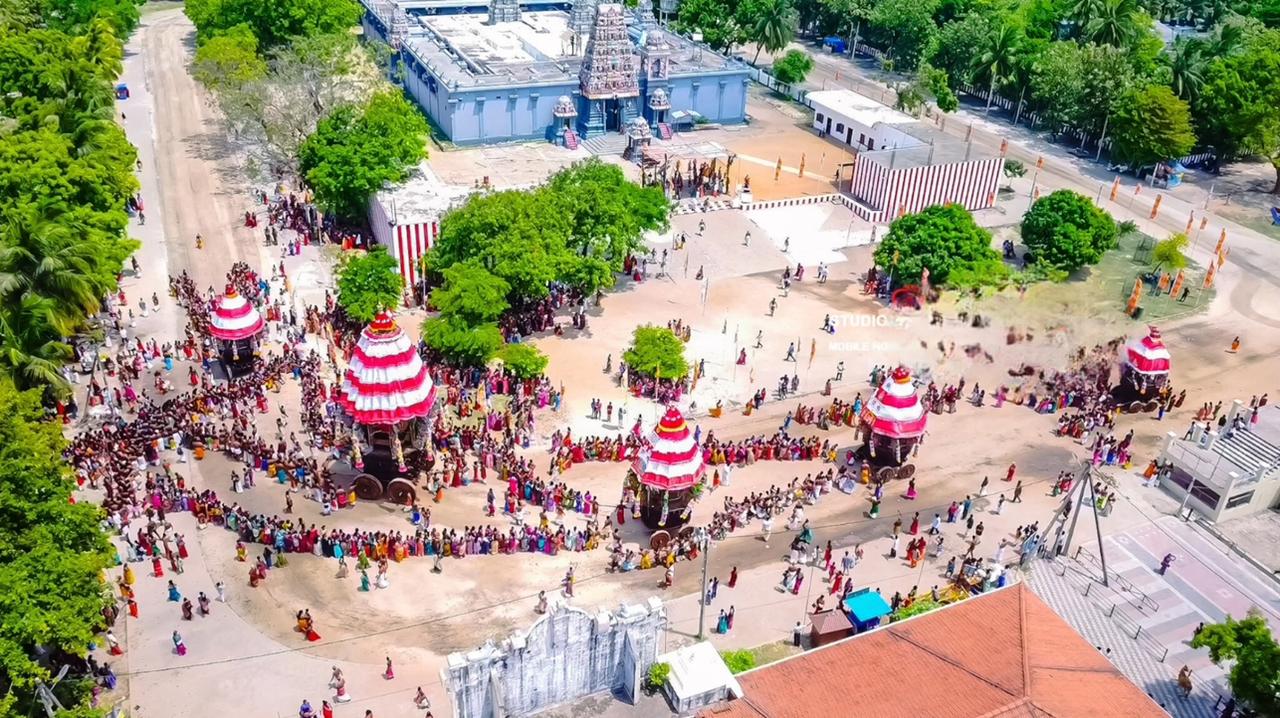
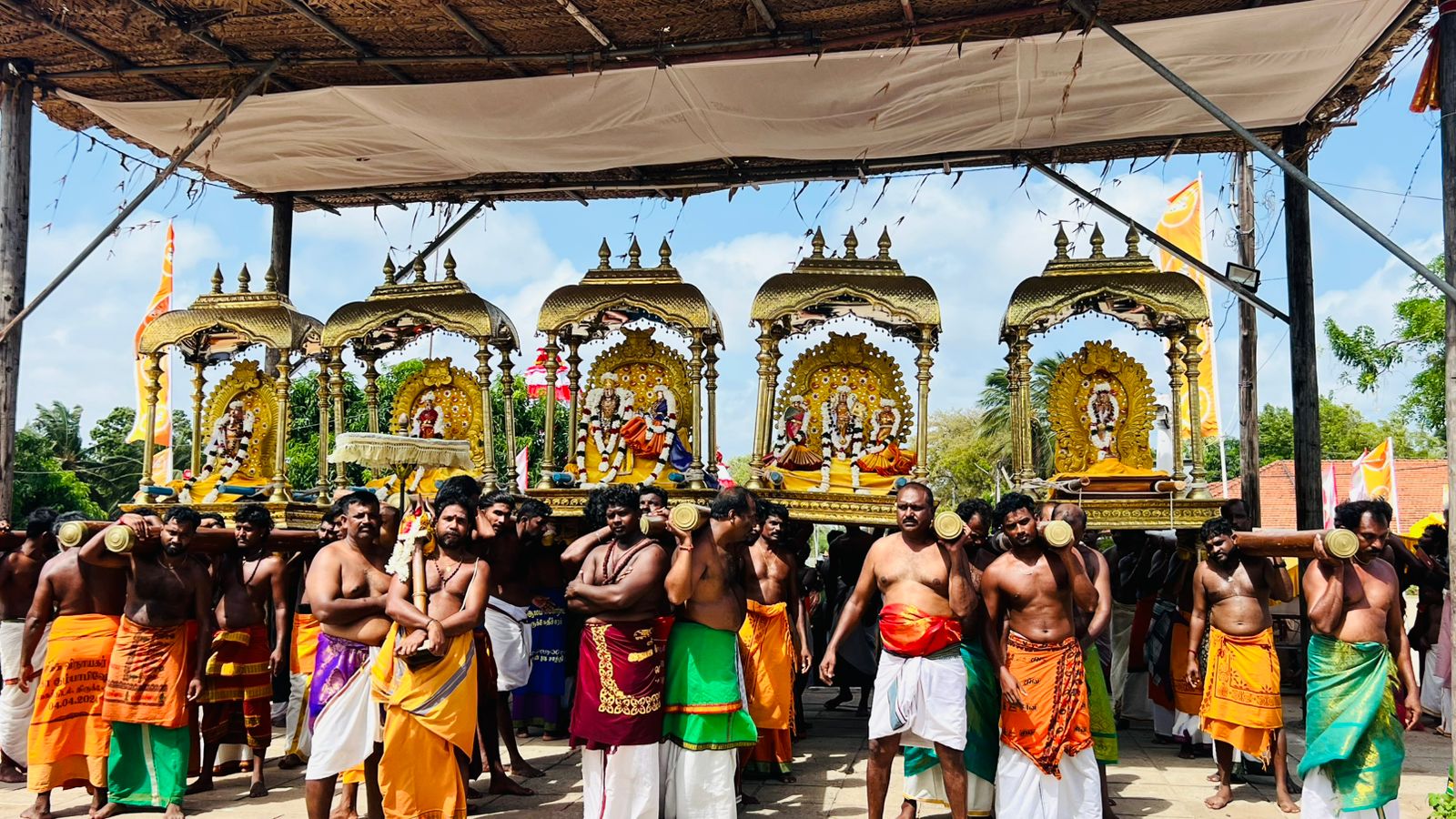
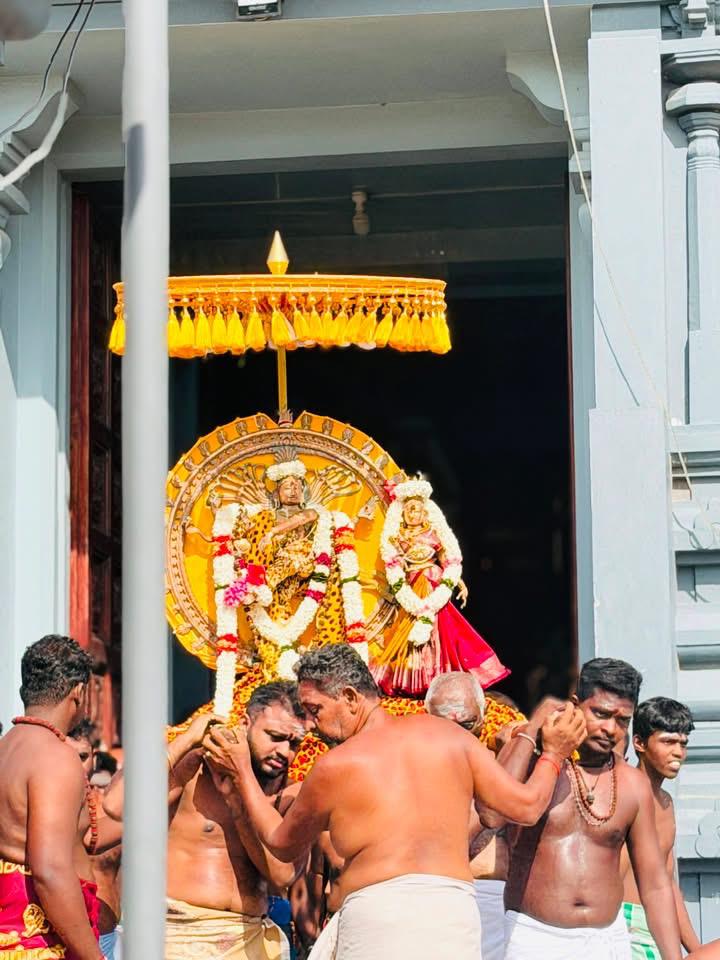
The festival's chariot procession, the Ther Thiruvila, was held on 29 May. Following special religious observances, the temple's processional deities were mounted upon the great chariots and drawn through the temple precincts. Thousands of worshippers, many of whom had travelled from across the island, gathered for the occasion.
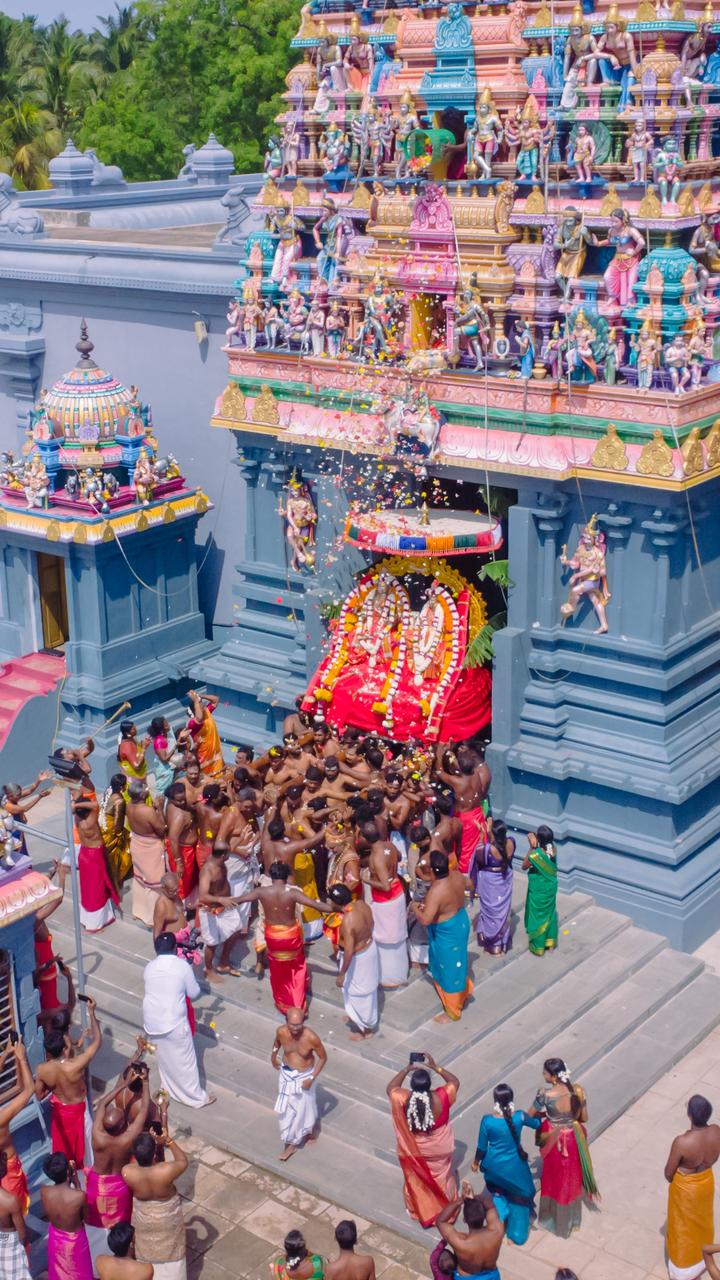
Temple officials noted that the procession featured the temple's revered deities, including the ancient Somaskanda Murthi, regarded as one of the oldest of its kind in Asia.
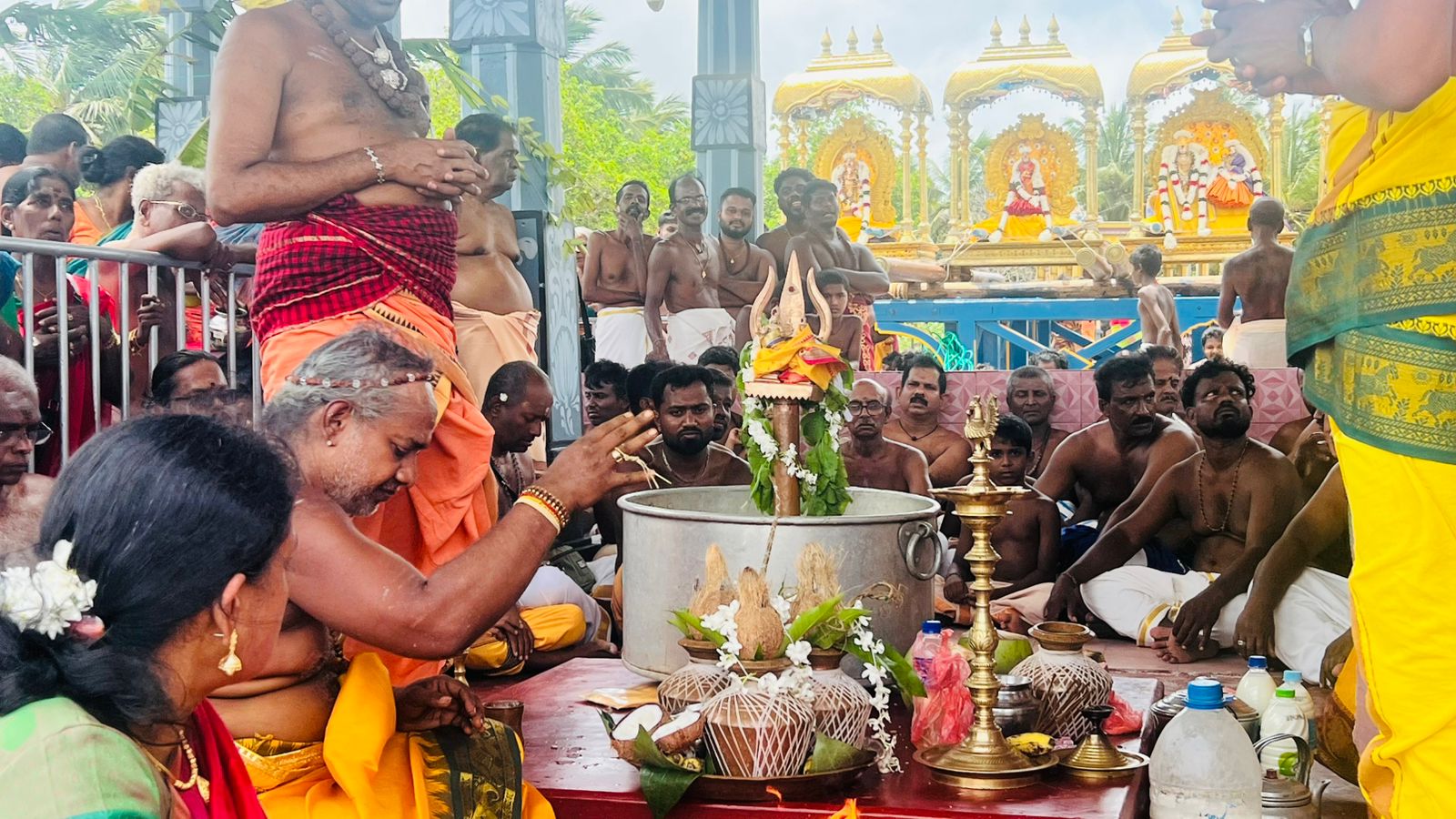
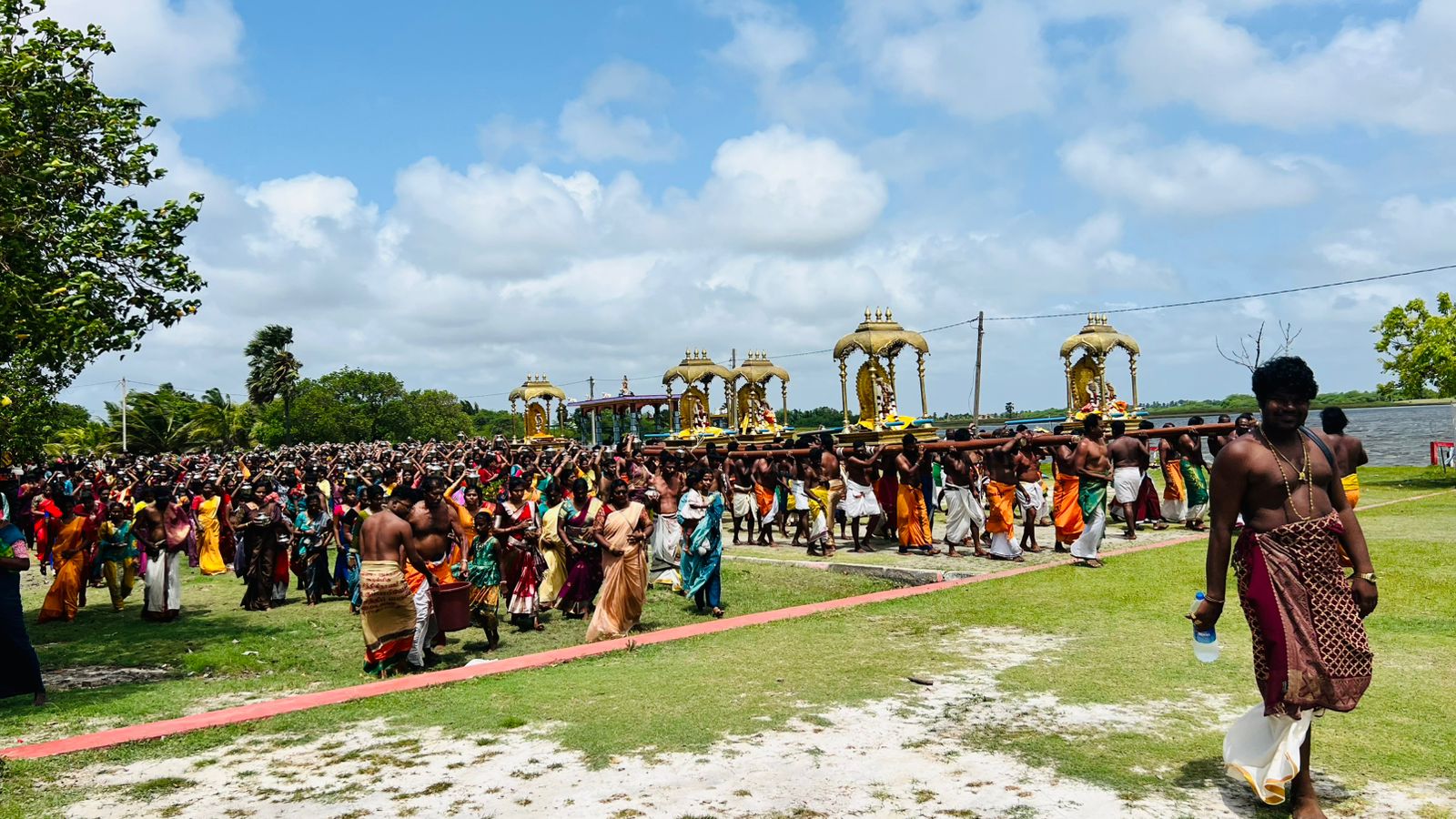
The celebrations reached their culmination on 30 May with the Theertham, the sacred water-cutting ceremony, held at the Palavi Theertham. Following rituals at the Vasantha Mandapam and the temple flagstaff, the deities were borne in procession to the Palavi pond, an ancient tank that, like the temple itself, was restored from ruin in the twentieth century.
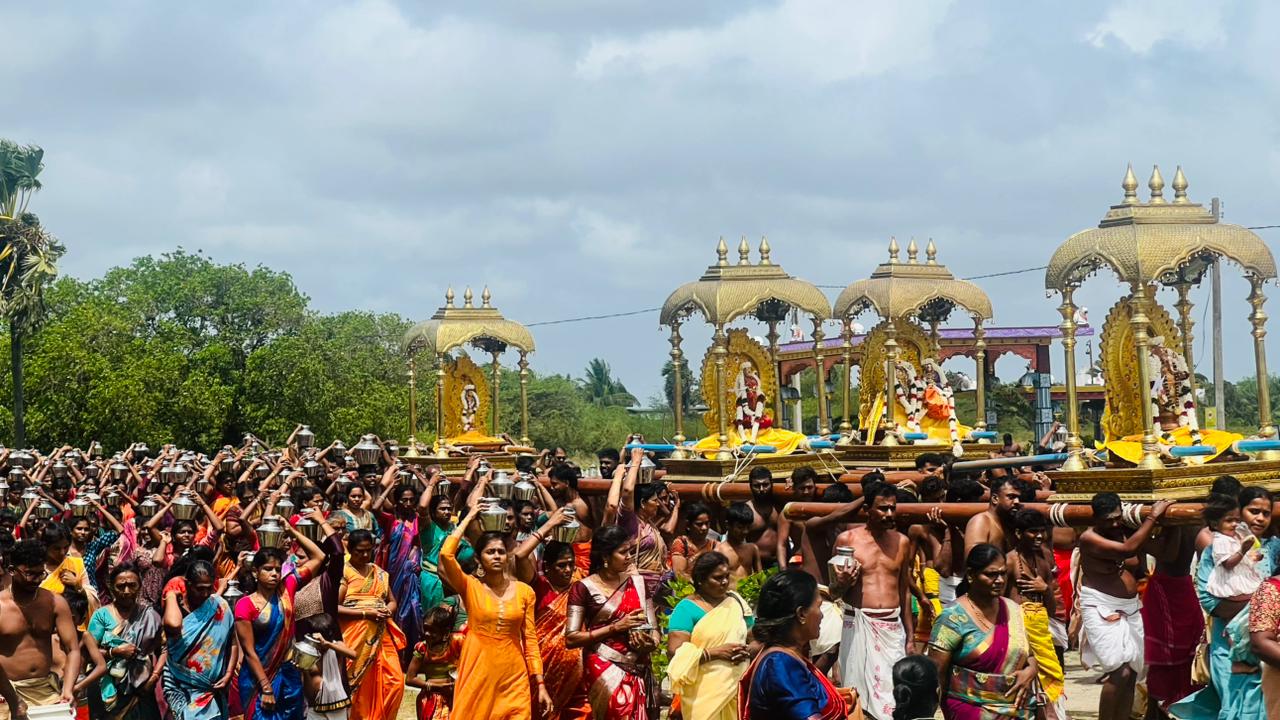
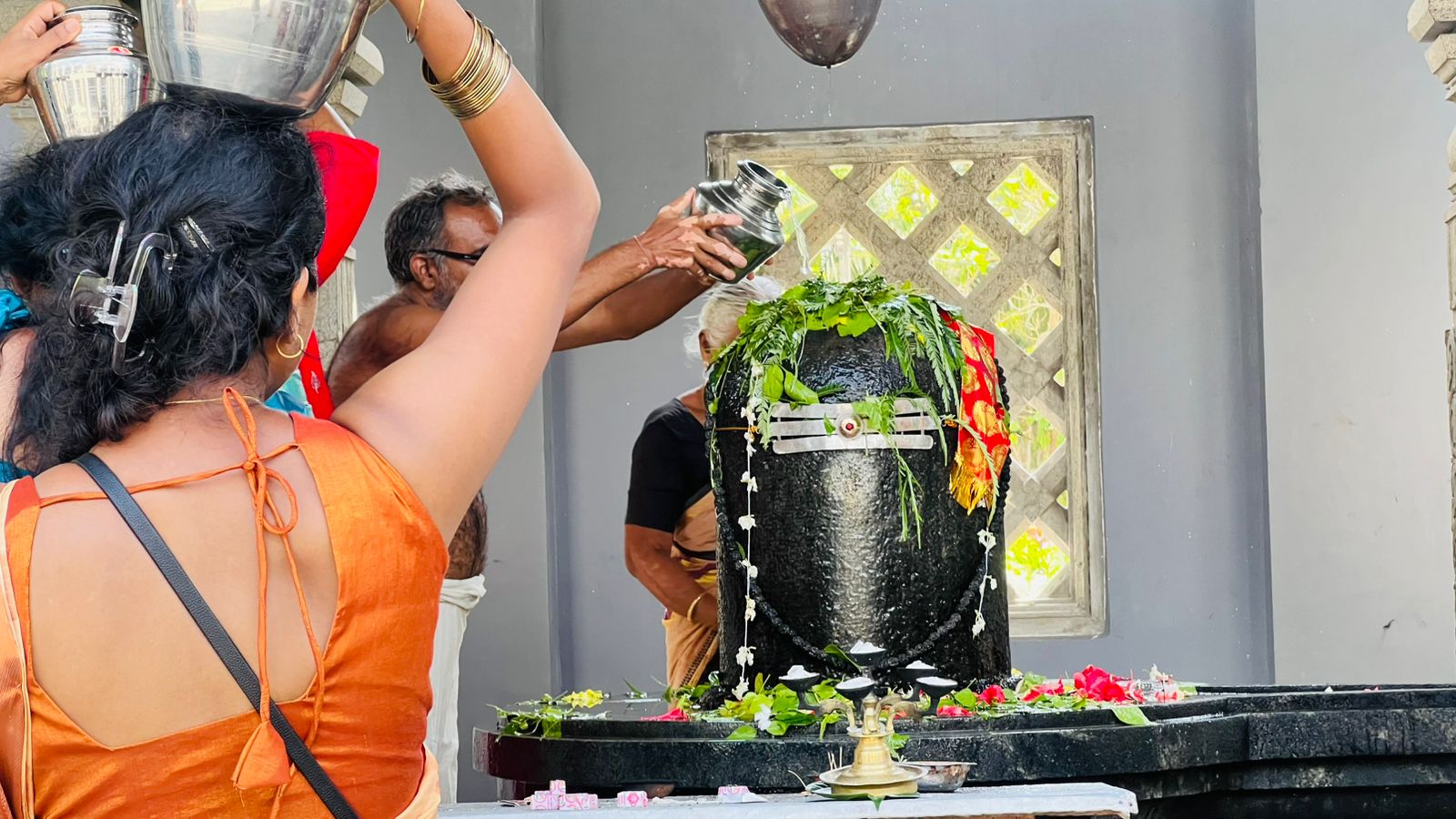
Large numbers of devotees took part in the final day's observances, collecting sacred water from the Palavi Theertham in vessels and offering it for abhishekam to the temple's presiding deity, Maha Linga Peruman.
The annual festival drew to a close with the lowering of the temple flag later in the day, marking the end of this year's celebrations.
That the festival should fill the temple year after year is itself a quiet triumph.
Thiruketheeswaram, whose origins are traced back more than two millennia, was destroyed by Portuguese colonisers in the late sixteenth century, its rituals brought to an end and its structures razed. It lay in ruin for centuries until a sacred lingam and other artefacts were recovered in the late nineteenth century, and the temple was rebuilt and restored through the devotion of Tamil worshippers over the decades that followed. Each Mahotsavam is, in that sense, a continuation of a tradition that survived attempts to extinguish it altogether.