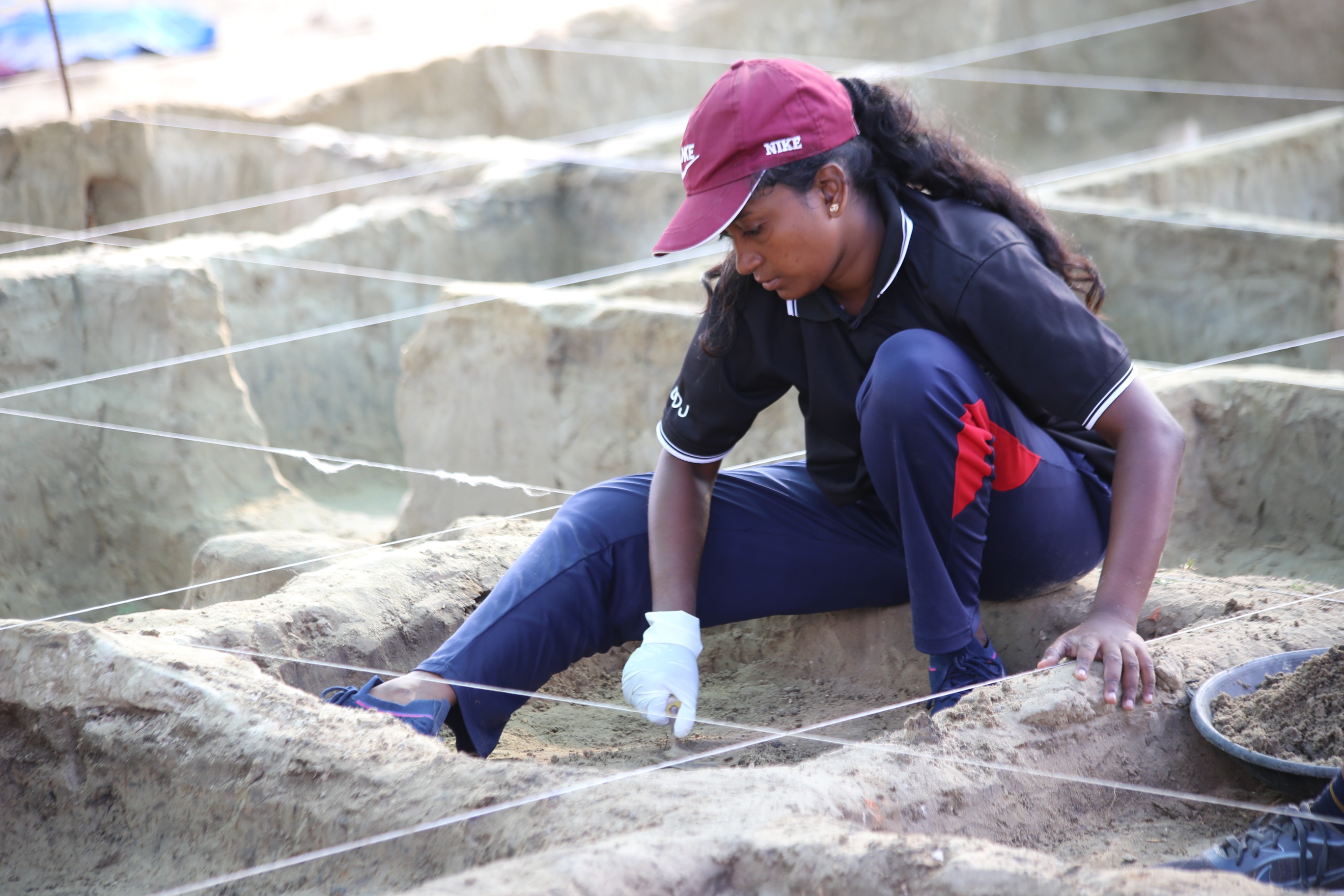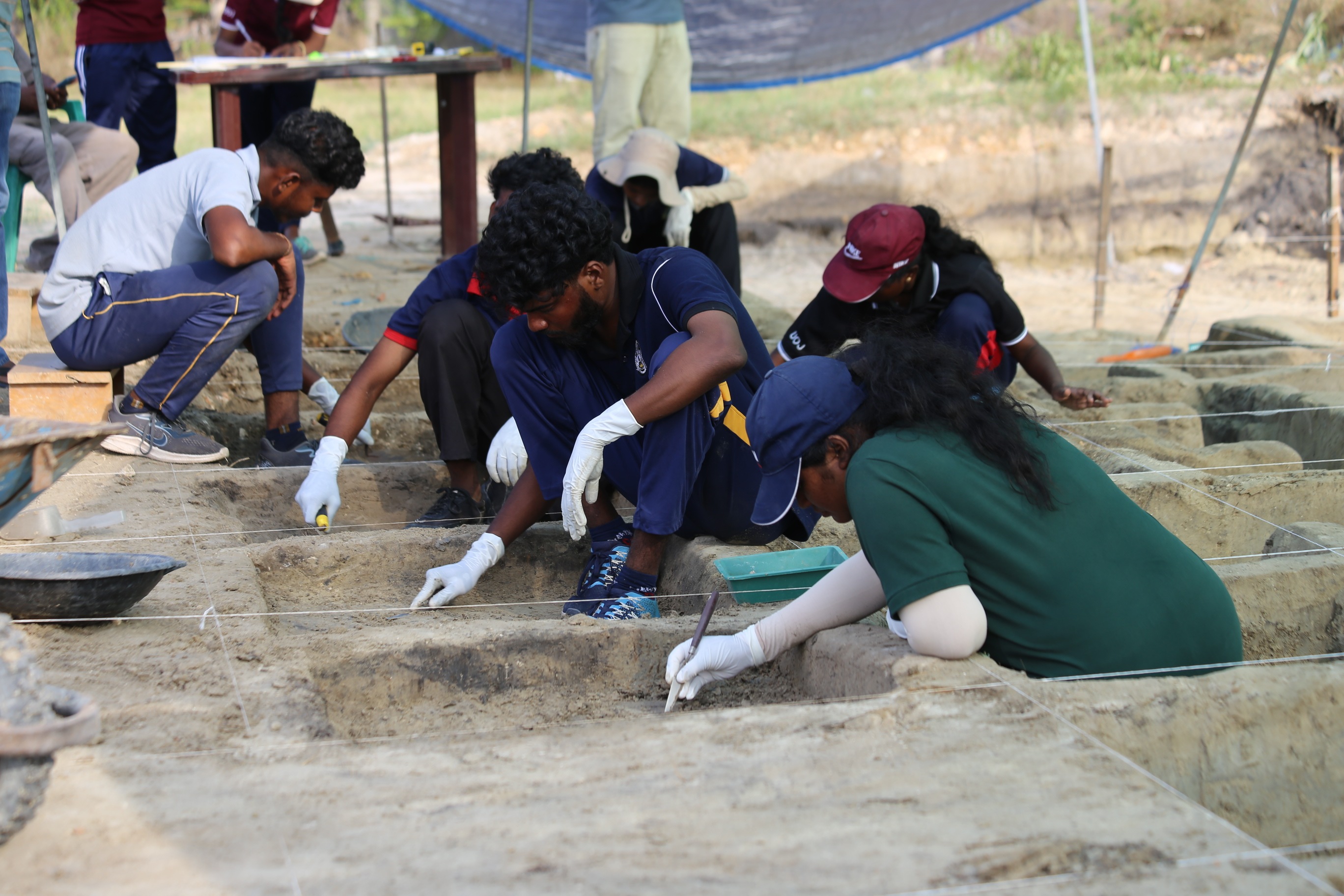
The Chemmani mass grave in Jaffna has become the largest ever uncovered on the island, with the number of skeletal remains identified at the site rising to 387, surpassing the toll recorded at any other mass grave that has been uncovered so far.
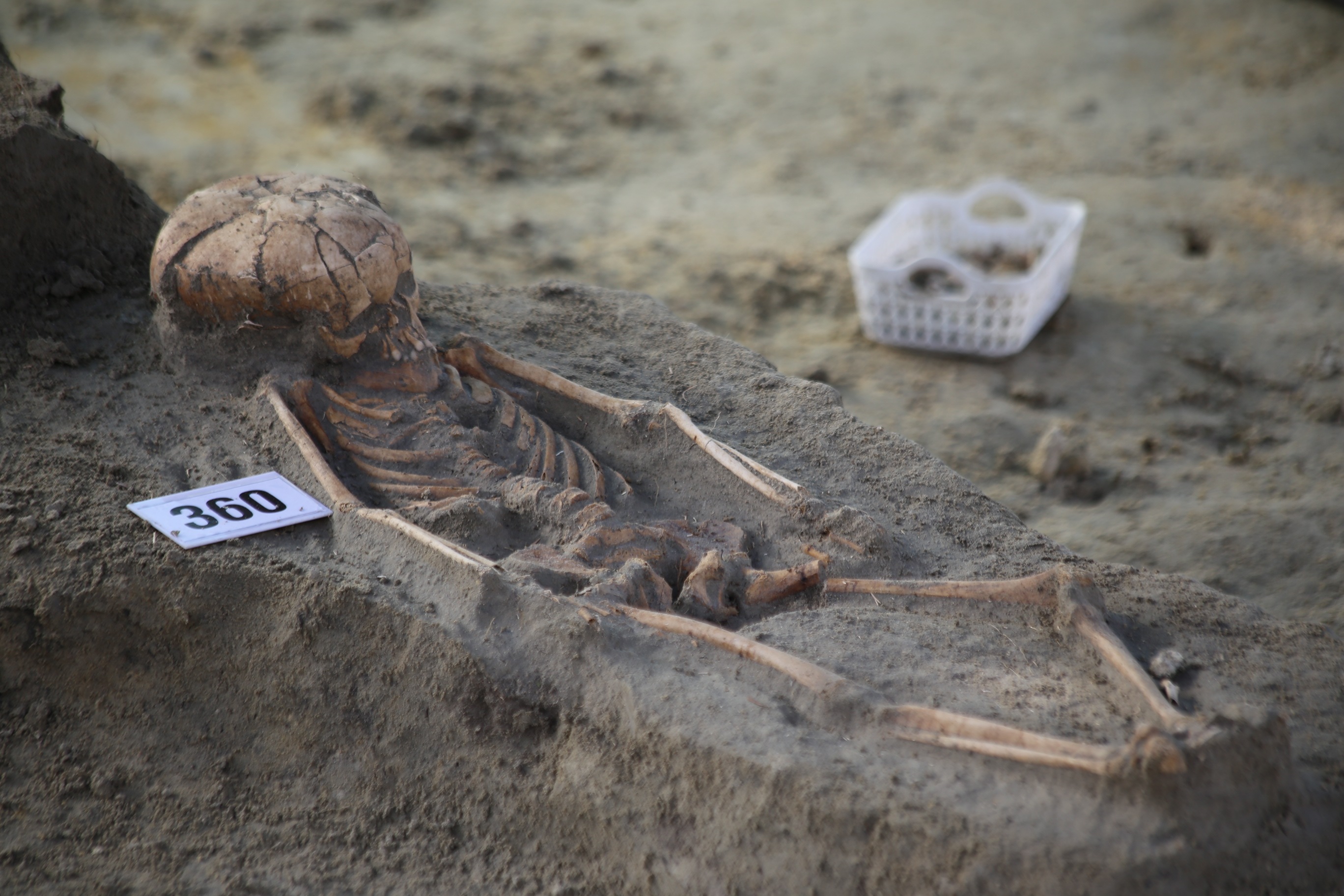
The site passed that grim threshold on Wednesday, the 27th day of the third phase of excavations, when the count overtook the 376 human remains recovered from the Mannar Sathosa mass grave, until now the largest recorded on the island. By Thursday, the 28th day, the figure at Chemmani had risen to 387 sets of skeletal remains identified, of which 367 have been exhumed.
The comparison with Mannar is a pointed one. The Sathosa grave, uncovered during construction work in 2018, became the subject of a prolonged controversy after six bone samples were sent to a laboratory in Florida for carbon dating, which placed the remains between the fifteenth and eighteenth centuries. The lead archaeologist, Professor Raj Somadeva, and the families of the disappeared rejected those findings, pointing to artefacts and to metal bindings used to tie victims' legs that suggested far more recent killings, and raising concerns over the chain of custody. No accountability has followed.
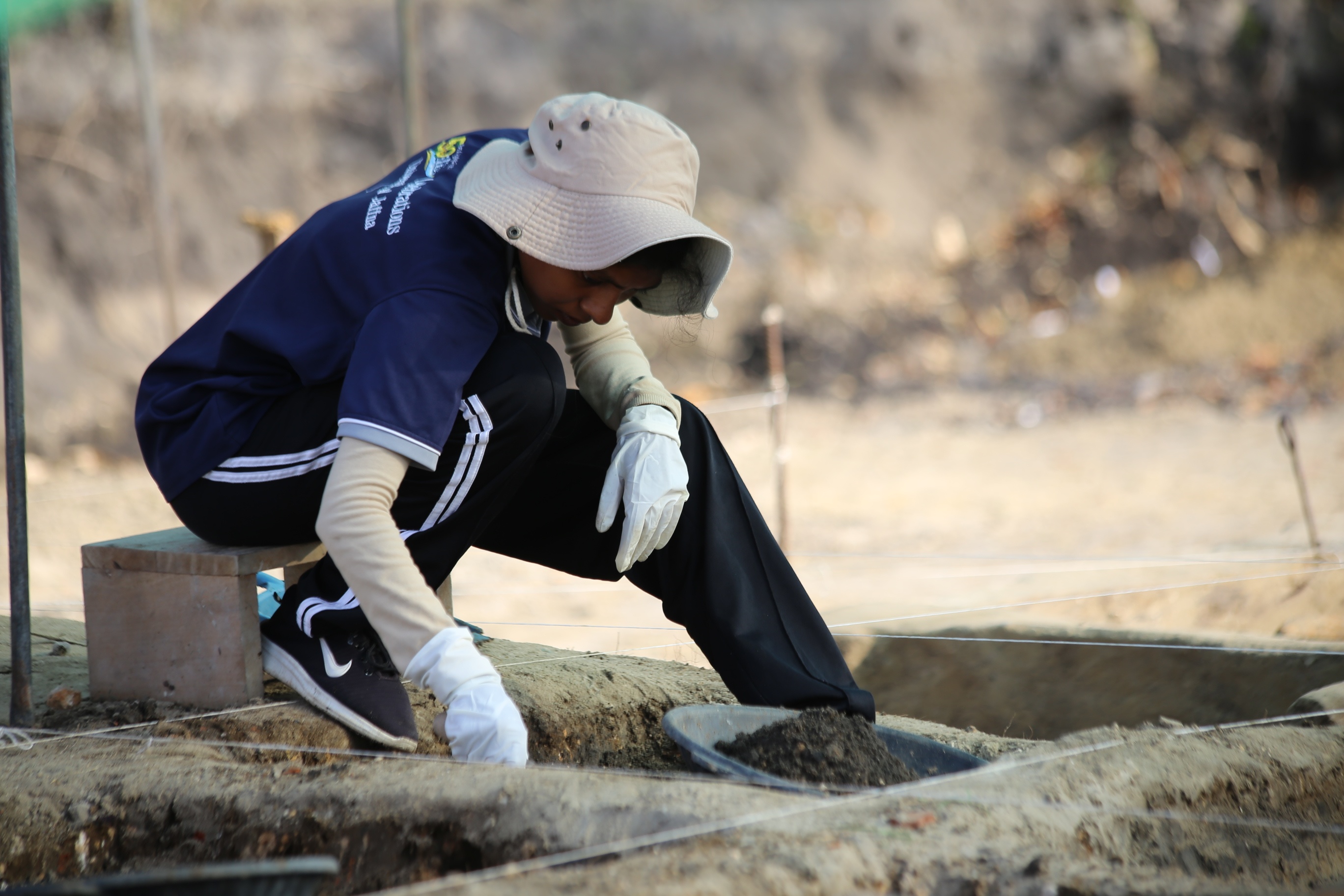
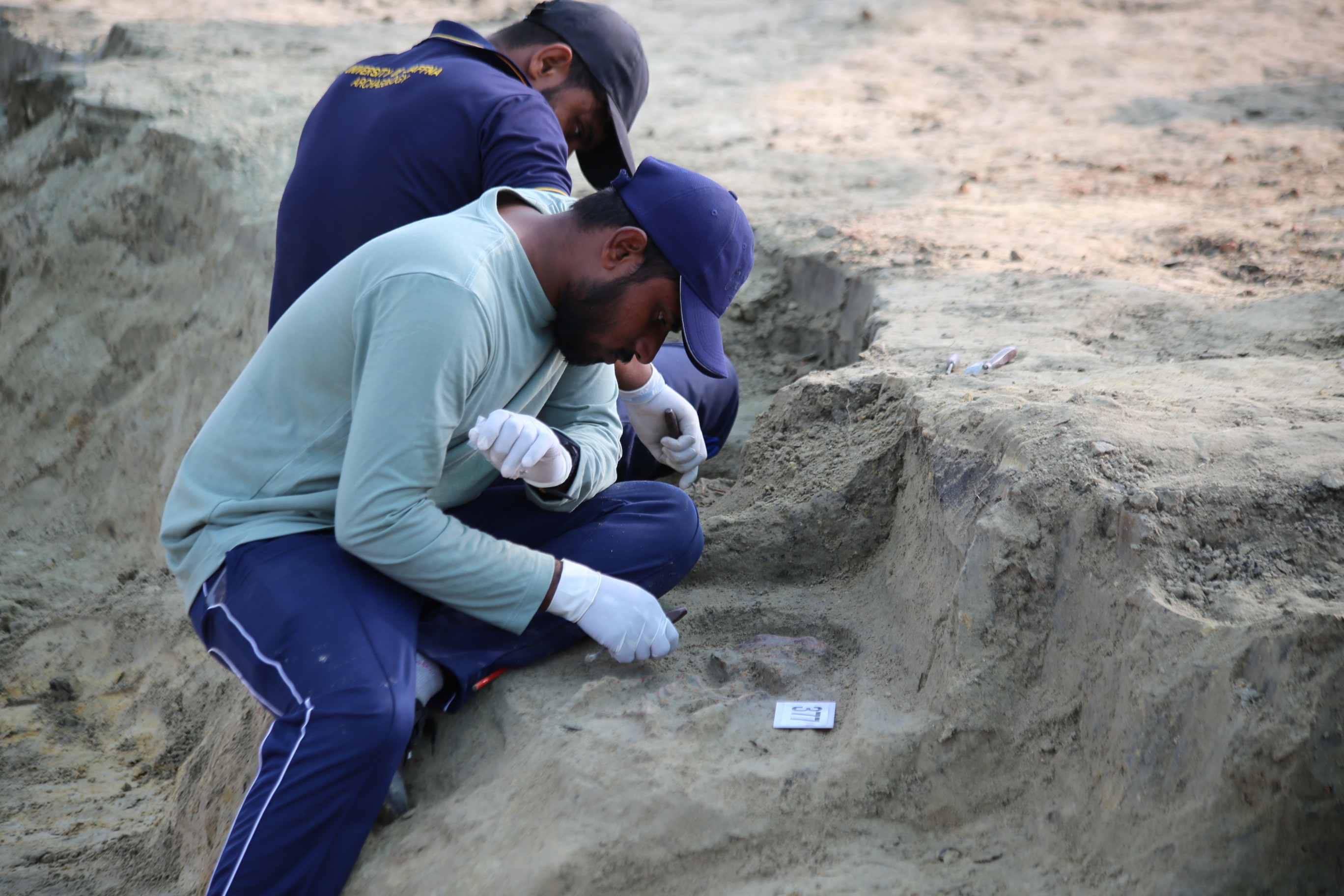
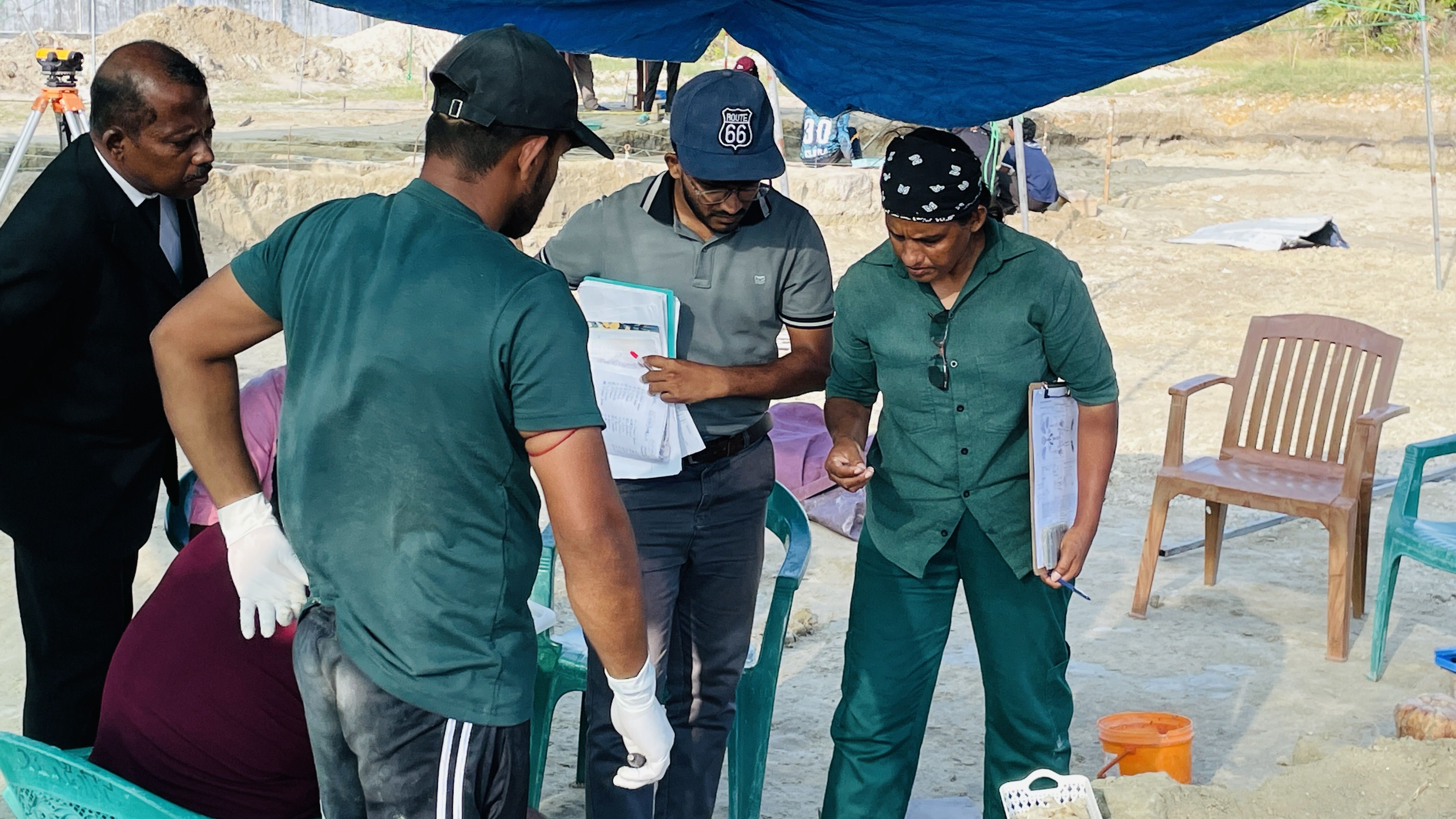
At Chemmani on Thursday, five sets of skeletal remains, including that of a child, were exhumed, while a further seven were newly identified. Among the items recovered as evidence were small beads, a bangle, nails and fragments of plastic.
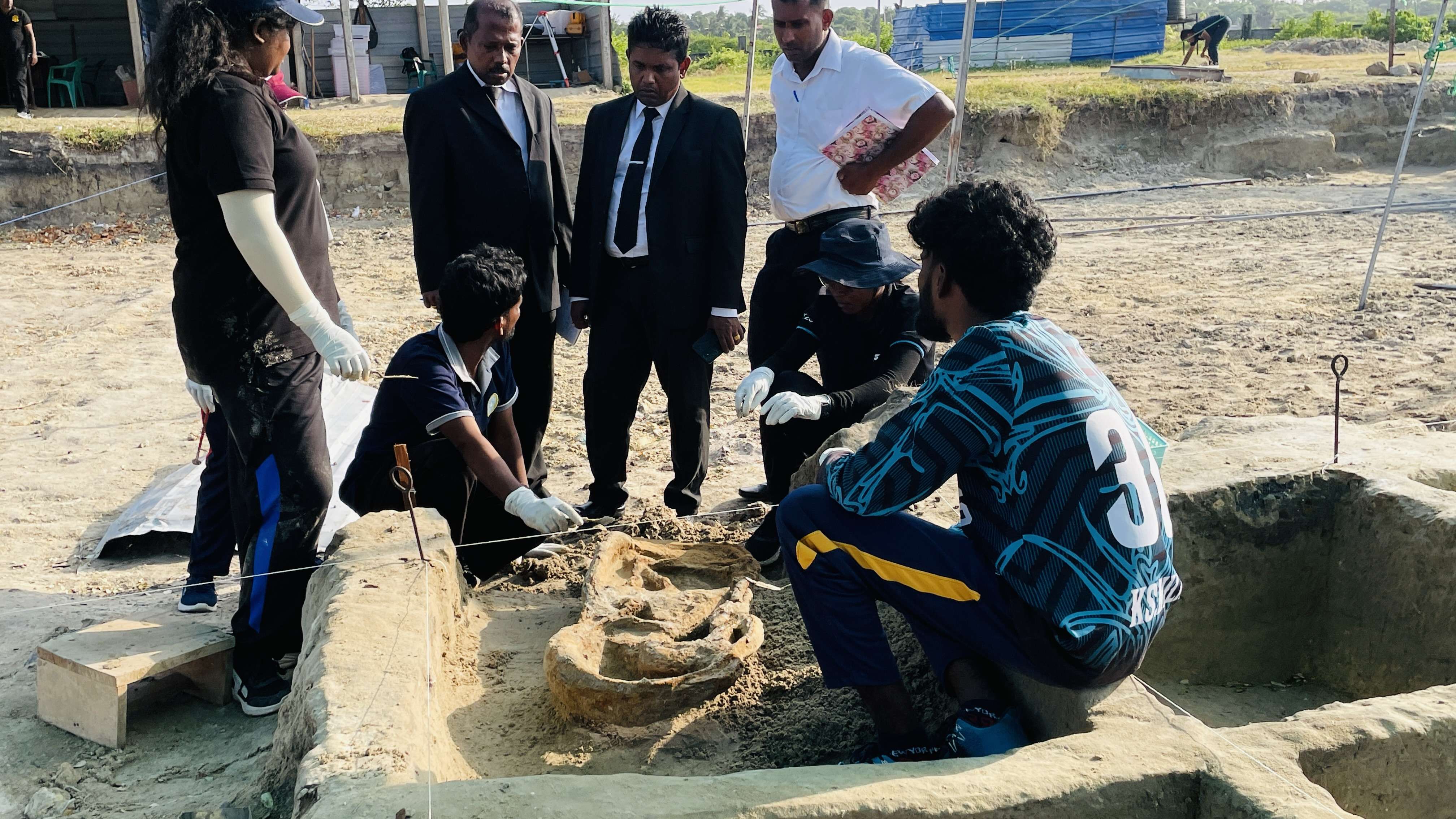
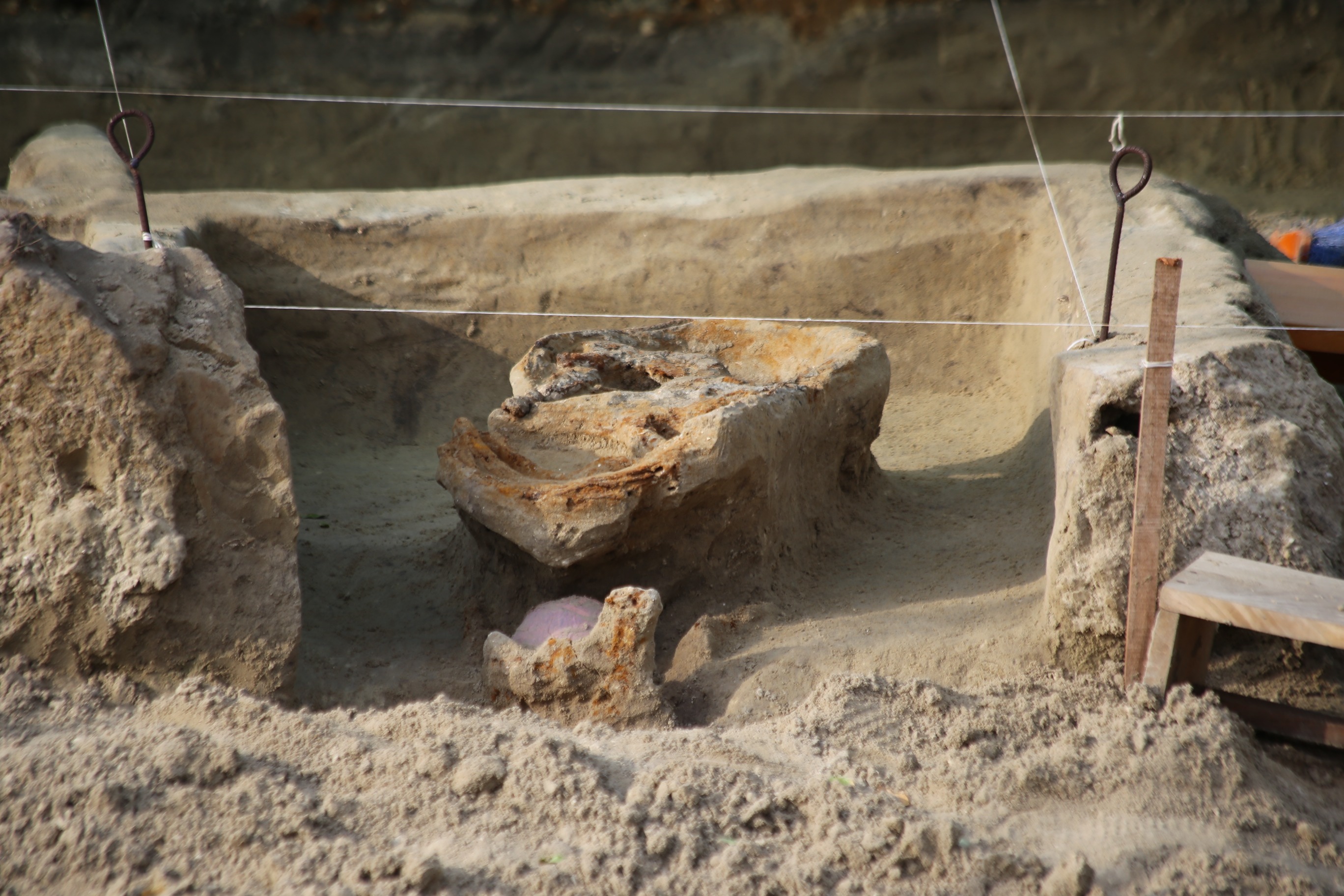
A large metal object was also identified at the site. As skeletal remains were found within it, excavation staff are carrying out careful cleaning work before proceeding further. A day earlier, investigators had recovered a metal fragment from the pelvic area of one set of remains, along with an object resembling a plastic bangle believed to have belonged to a young girl.
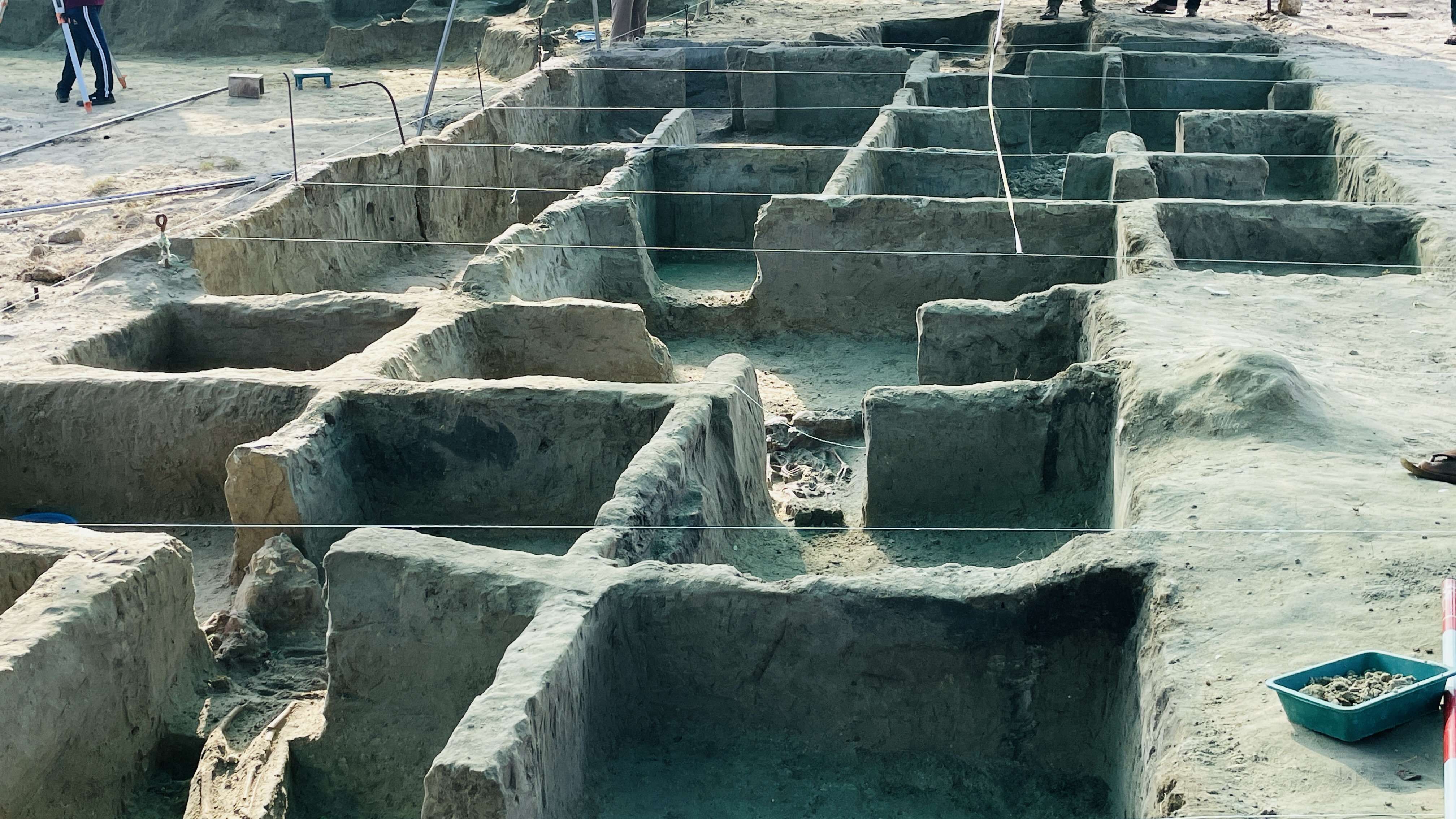
The court has granted permission for a delegation led by Sri Lankan Justice Minister Harshana Nanayakkara, together with commissioners from the Office on Missing Persons, to visit the site on Friday, 19 June, to observe the ongoing excavation.
The Chemmani mass grave first drew international attention in 1998, when a Sri Lankan soldier, Somaratne Rajapakse, testifying during the trial over the rape and murder of the Tamil schoolgirl Krishanthi Kumaraswamy, her mother, brother and a neighbour, alleged that hundreds of Tamils forcibly disappeared during the military's occupation of Jaffna in the mid-1990s had been buried there.
Families of the disappeared and Tamil civil society organisations have repeatedly called for the Chemmani excavations to be placed under international monitoring, citing the failure of Sri Lanka's domestic processes, the Mannar grave among them, to win their trust or deliver justice.