
Investigators identified eight additional skeletal remains at the Chemmani mass grave site on Thursday, bringing the total number of victims uncovered during ongoing excavations to 283.
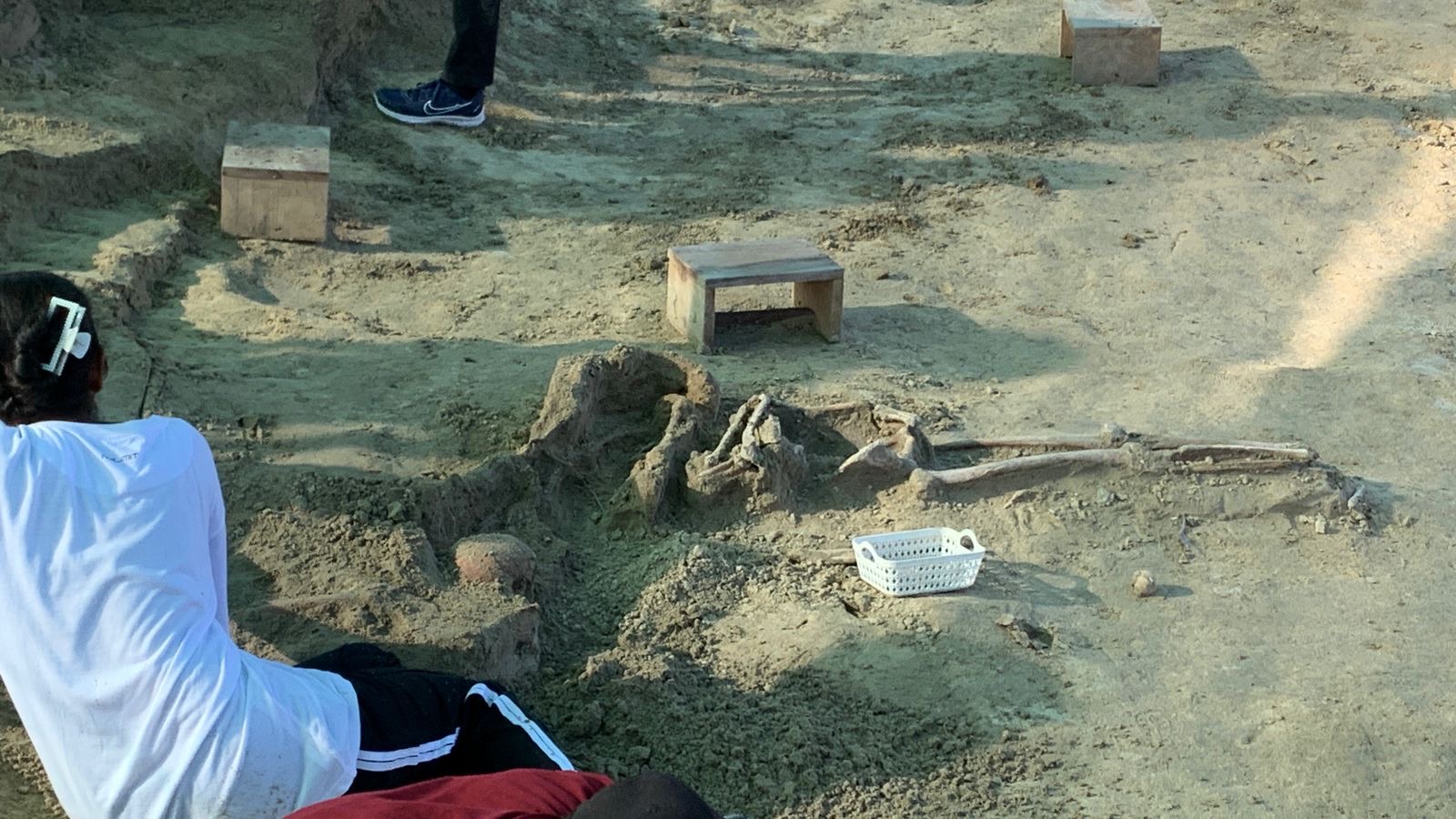
The discoveries were made on the sixteenth day of excavations under the third phase of the court-supervised investigation, which has become one of the most significant mass grave inquiries in the Tamil homeland.
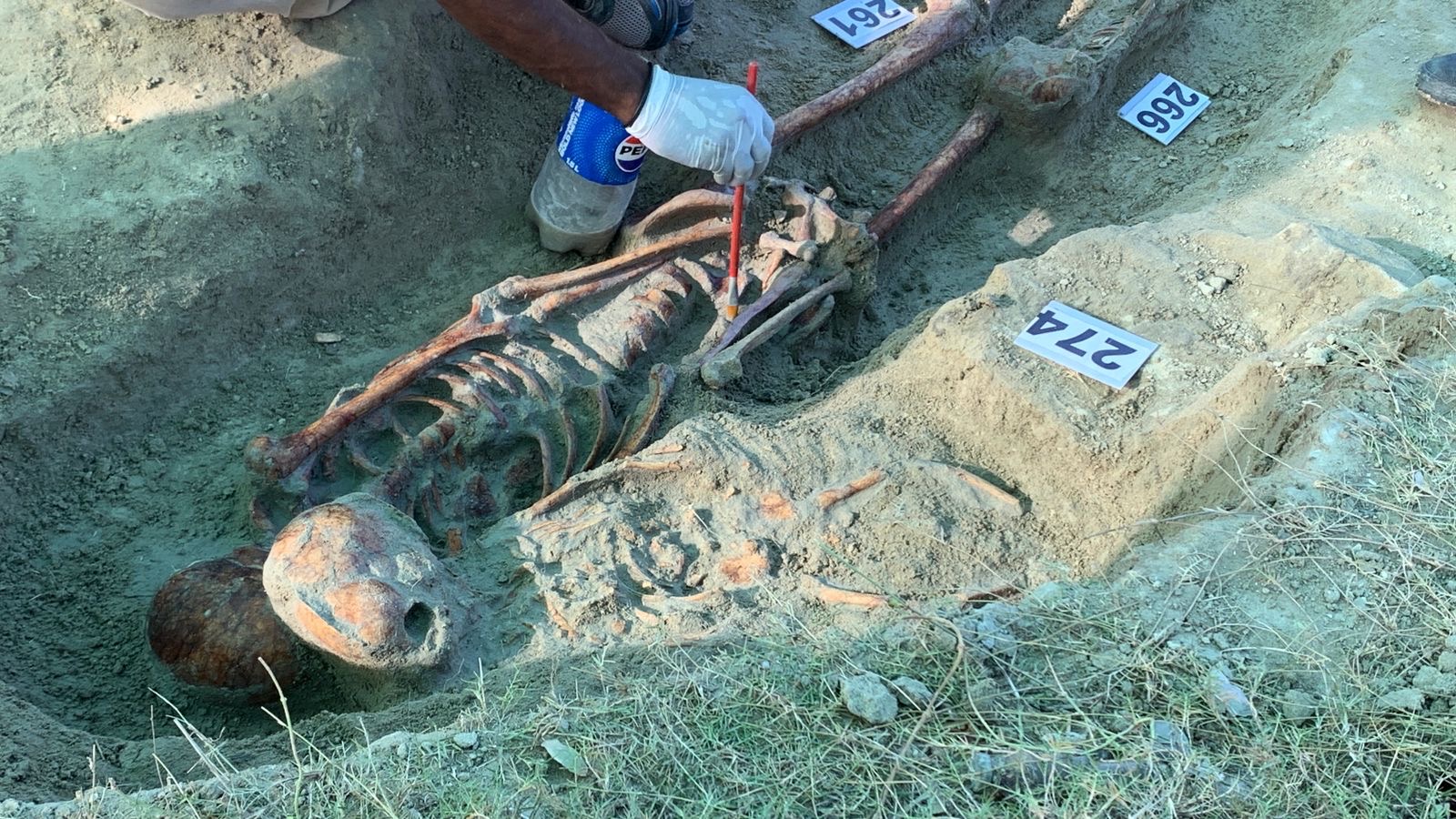
According to information released following Thursday's proceedings, excavation teams identified eight new skeletal remains during the day's work. At the same time, seven skeletal remains that had previously been identified were fully excavated.
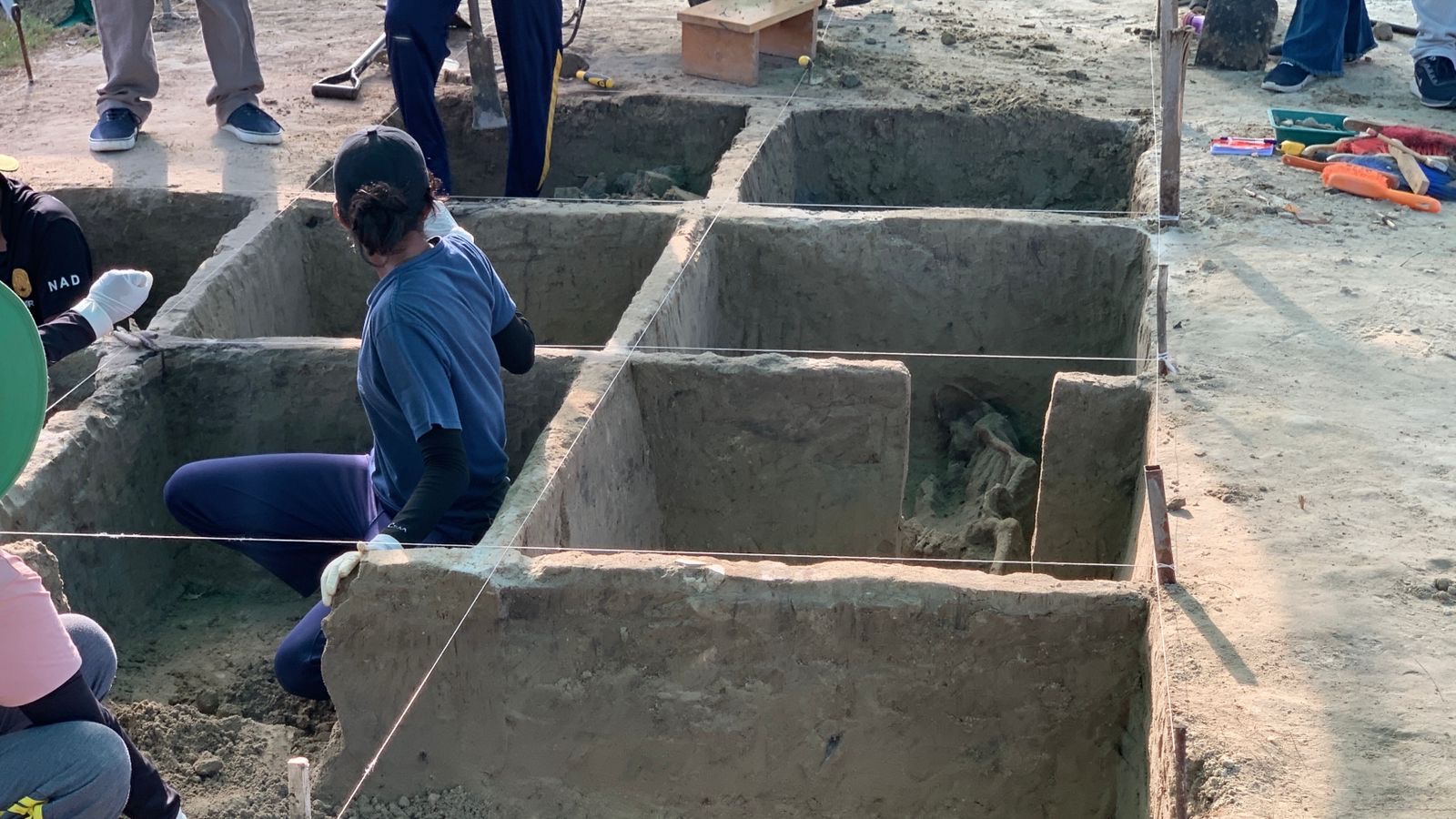
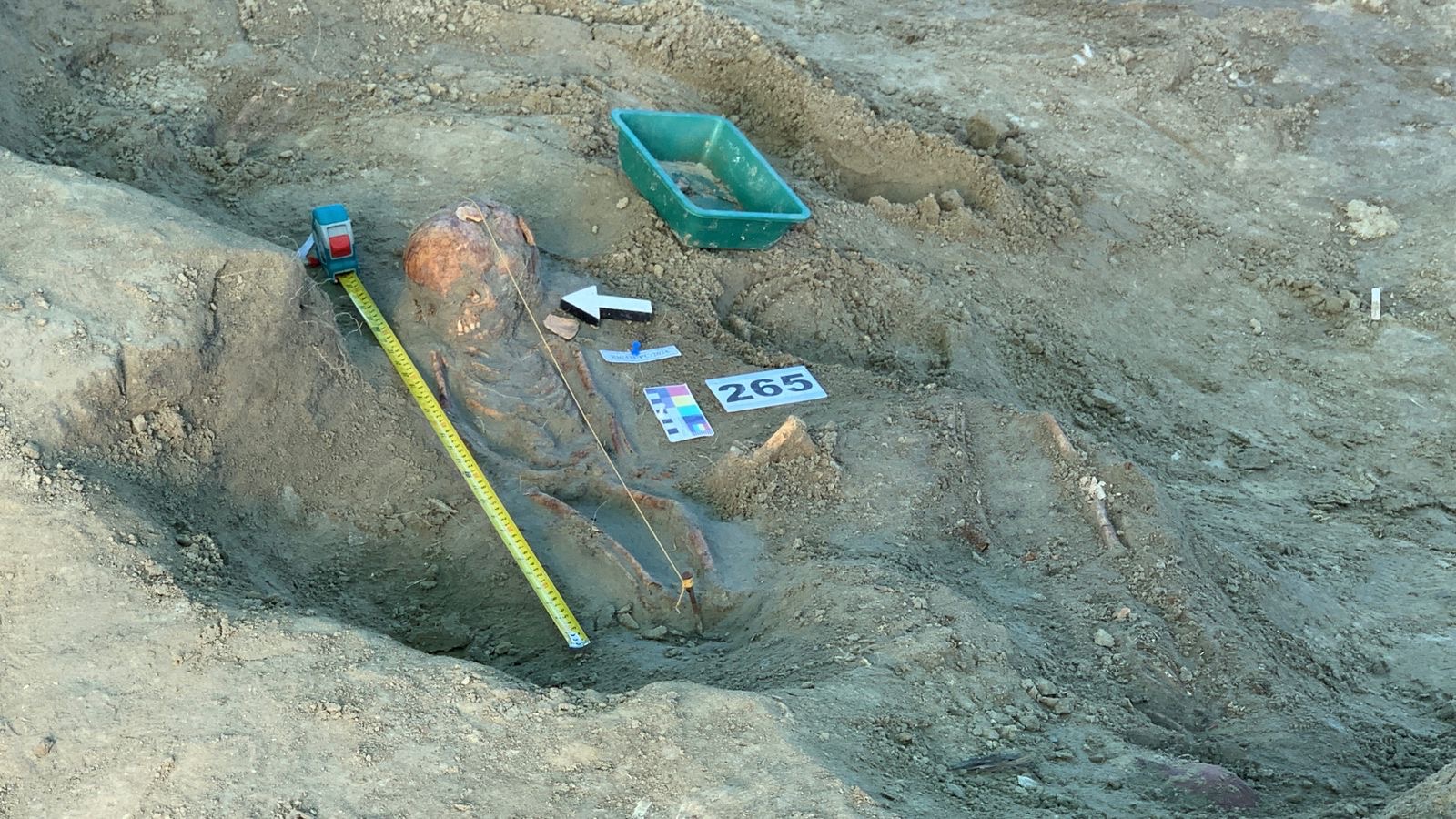
With the latest findings, a total of 283 skeletal remains have now been identified at the site. Of these, 279 have been fully excavated.
The discoveries follow another significant day of excavation on Wednesday, when investigators identified five additional skeletal remains and fully exhumed six others. Legal expert Niranjan, who has been monitoring proceedings at the site, stated that two concentrations of skeletal remains had also been identified within the burial area, suggesting that further discoveries may lie ahead.
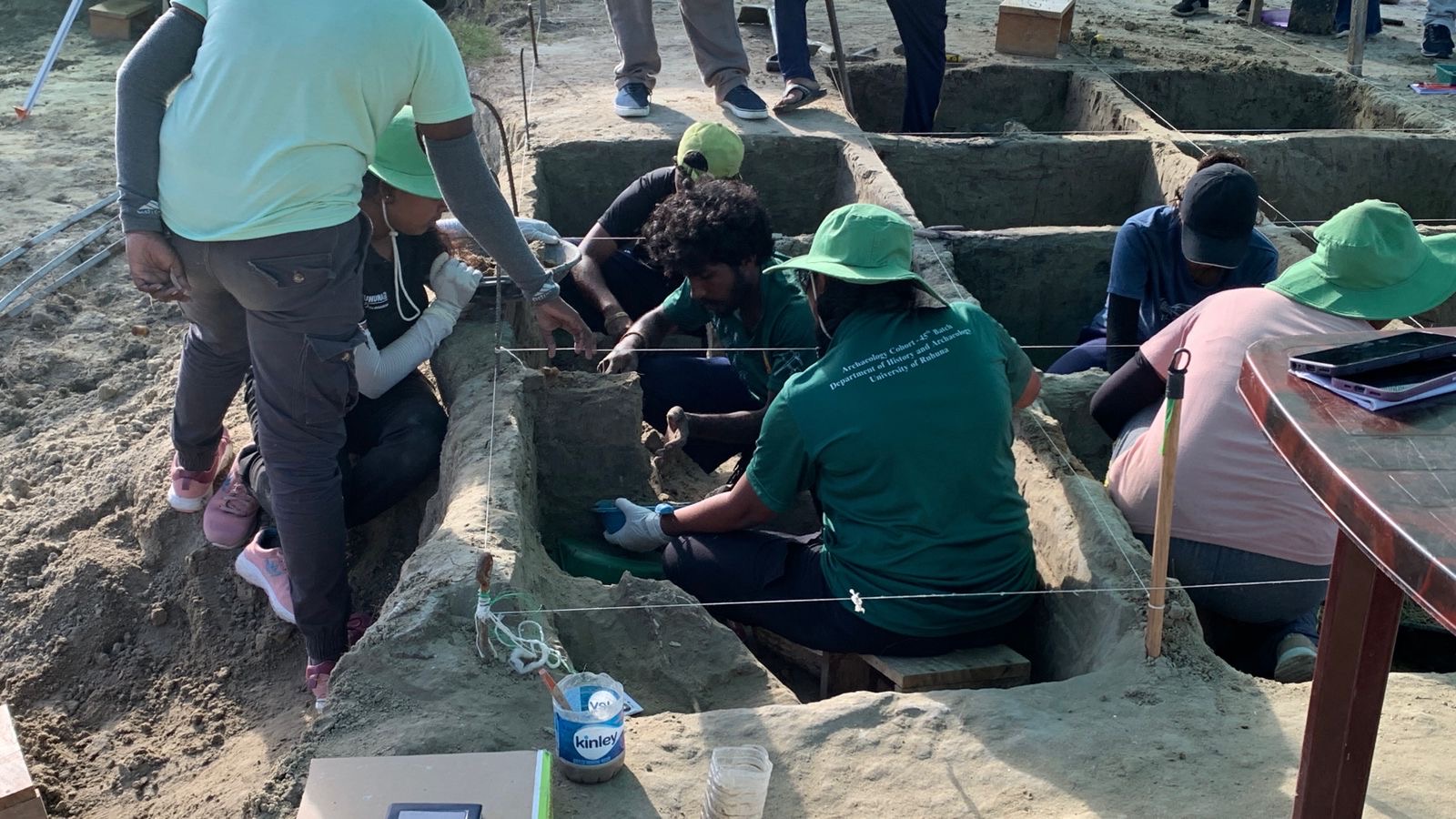
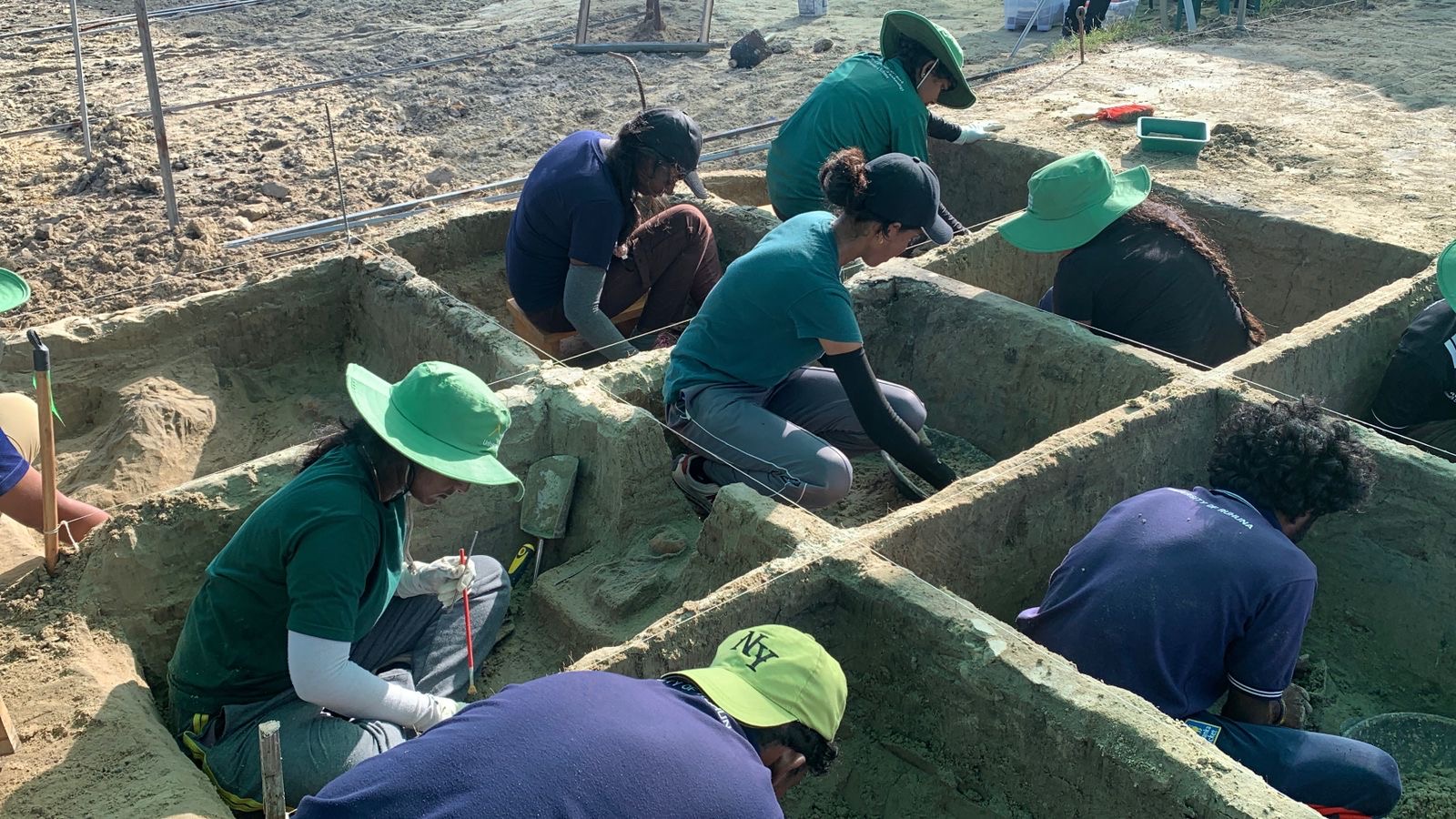
He further noted that excavation work was being expanded, with students from the University of Ruhuna joining the ongoing investigations.
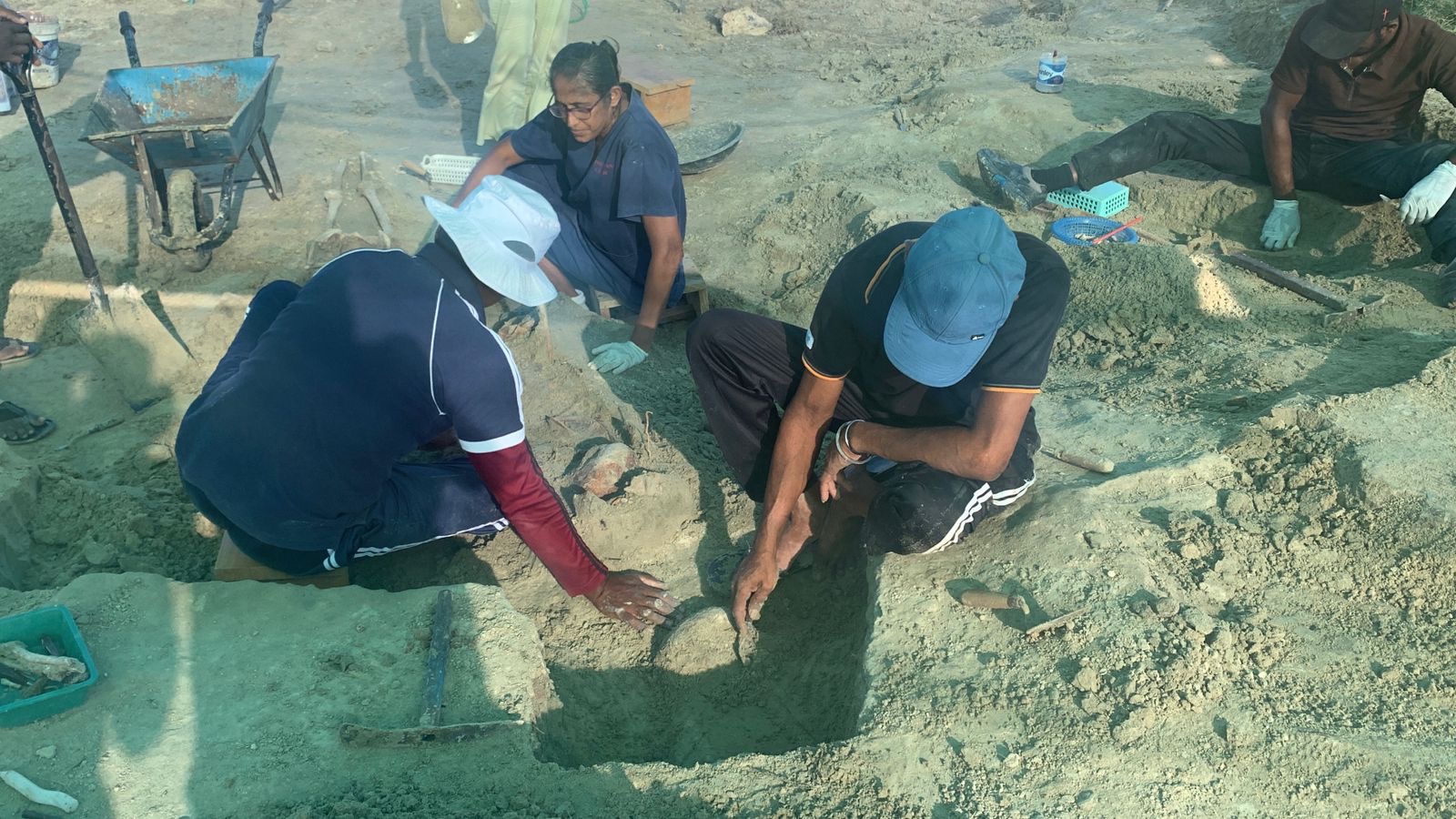
The current phase of excavations has continued to reveal evidence of the scale of the burial site. Earlier excavations uncovered skeletal remains believed to belong to children and infants, findings that have intensified concern amongst families of the disappeared and human rights advocates.
Investigators have also recovered approximately 100 artefacts from the site, including coins, jewellery, bangles, a nose stud, chains, pendants and other personal belongings that may assist efforts to identify victims.
The Chemmani mass grave has become one of the most closely watched forensic investigations in the North-East. The site is linked to the longstanding enforced disappearances, extrajudicial killings and wartime abuses committed against Tamils.
Chemmani first gained international attention in the late 1990s after testimony from a Sri Lankan soldier alleged that hundreds of Tamils who disappeared whilst in military custody had been buried in the area. Although limited excavations were carried out at the time, families of the disappeared have long maintained that the full extent of the site was never properly investigated.
The steadily rising number of remains uncovered during the current phase of excavations has renewed calls for comprehensive forensic investigations, international oversight and accountability.