
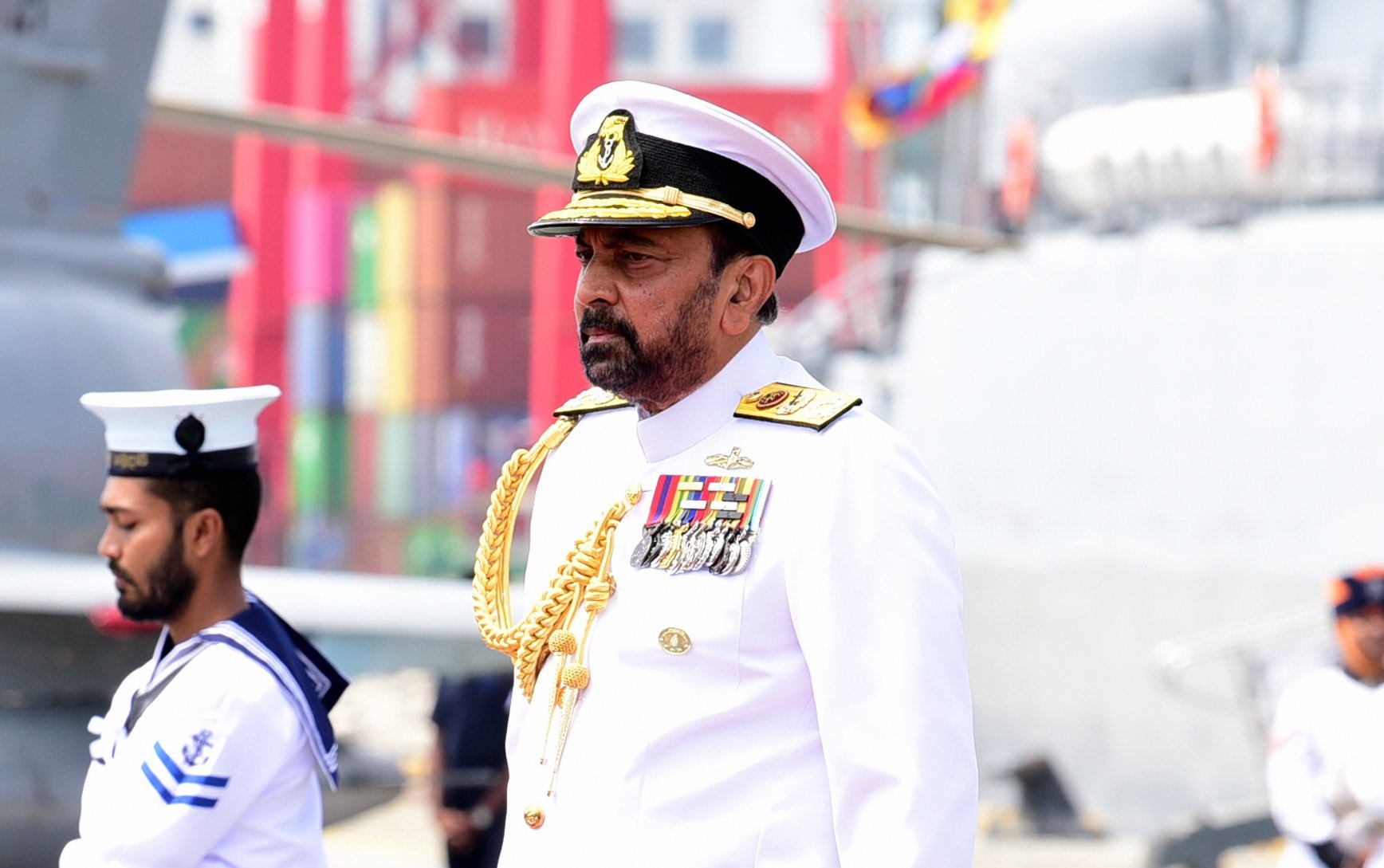
Amazon UK has confirmed it has removed from sale the memoir of Sri Lanka’s former navy chief Wasantha Karannagoda, who remains sanctioned in the UK for command responsibility over “human rights violations including illegal killings and activities amounting to torture.”
The decision came after the International Truth and Justice Project (ITJP) wrote to Amazon’s Public Policy department warning that sales of 'The Turning Point: The Naval Role in Sri Lanka’s War on LTTE Terrorism' could breach UK sanctions law. Under British legislation, it is a criminal offence to make available resources – including royalties – to an individual subject to targeted sanctions, carrying penalties of up to seven years’ imprisonment.
While Amazon responded by removing the title, Penguin Random House India, the book’s publisher, has remained silent. The book has quietly disappeared from the publisher’s website but without explanation.
A sanctioned war criminal in print

Karannagoda was Sri Lanka’s navy commander from 2005 to 2009, overseeing the bloodiest phase of the armed conflict, which culminated in the murder of tens of thousands of Tamils. Under his tenure, the navy indiscriminately shelled civilians sheltering on the Mullivaikkal coast, enforced a blockade that deprived hundreds of thousands of Tamil civilians of food and medicine, and ran secret torture sites at its bases. The final phase of the armed conflict is being increasingly recognised as a genocide. A UN investigation also tied the navy to enforced disappearances in Jaffna and Mannar.
Earlier this year, the UK sanctioned Karannagoda under its Global Human Rights Sanctions Regulations. The United States designated him under Section 7031c for gross violations of human rights in 2023. In Sri Lanka itself, Karannagoda has been implicated in the abduction and disappearance of 11 youths, the so-called “Trinco 11” case, linked to a torture site known as “Gun Site” inside the Trincomalee naval base.
None of this is mentioned in his memoir, which instead depicts the navy’s actions as “rescue operations” and attempts to recast the final massacres of Tamils as a “humanitarian operation.”
Penguin India accused of whitewashing
Frances Harrison, director of the ITJP, condemned Penguin India for publishing the memoir without acknowledging the extensive public record of atrocities linked to Karannagoda.
“For Penguin India – part of the world’s largest trade publisher – to have put out this memoir without grappling with the massive record of alleged violations of international humanitarian law by the author is troubling,” she wrote in Himal Southasian. “By printing an uncritical narrative that omits grave harms – the shelling of civilians, torture, rape, sexual violence, and enforced disappearances – the publisher risks sanitising alleged war crimes and compounding the marginalisation of the victims.”
She added that the ITJP had referred the book to the UK’s Office of Financial Sanctions Implementation for investigation.
War criminal memoirs
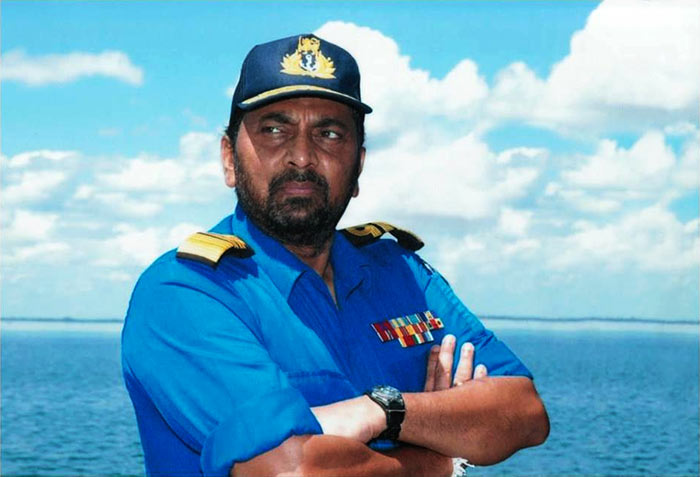
Karannagoda’s Turning Point joins a long line of Sri Lankan military memoirs written by alleged war criminals and published with little scrutiny, including by former defence secretary Gotabaya Rajapaksa and General Kamal Gunaratne. These publications, critics argue, serve to glorify atrocities while erasing Tamil suffering.
Karannagoda’s book is authored by an individual directly sanctioned abroad, raising legal as well as moral questions.
An affront to survivors
For Tamil survivors, the very act of publishing the book has been described as an affront. “The victims and survivors deserve better,” Harrison wrote.
Karannagoda, who once boasted of his “hands-on” command of naval operations, remains implicated in some of the worst atrocities of Sri Lanka’s war on Tamils.
The controversy now turns squarely on Penguin India, which has yet to explain why it published the book in the first place.