
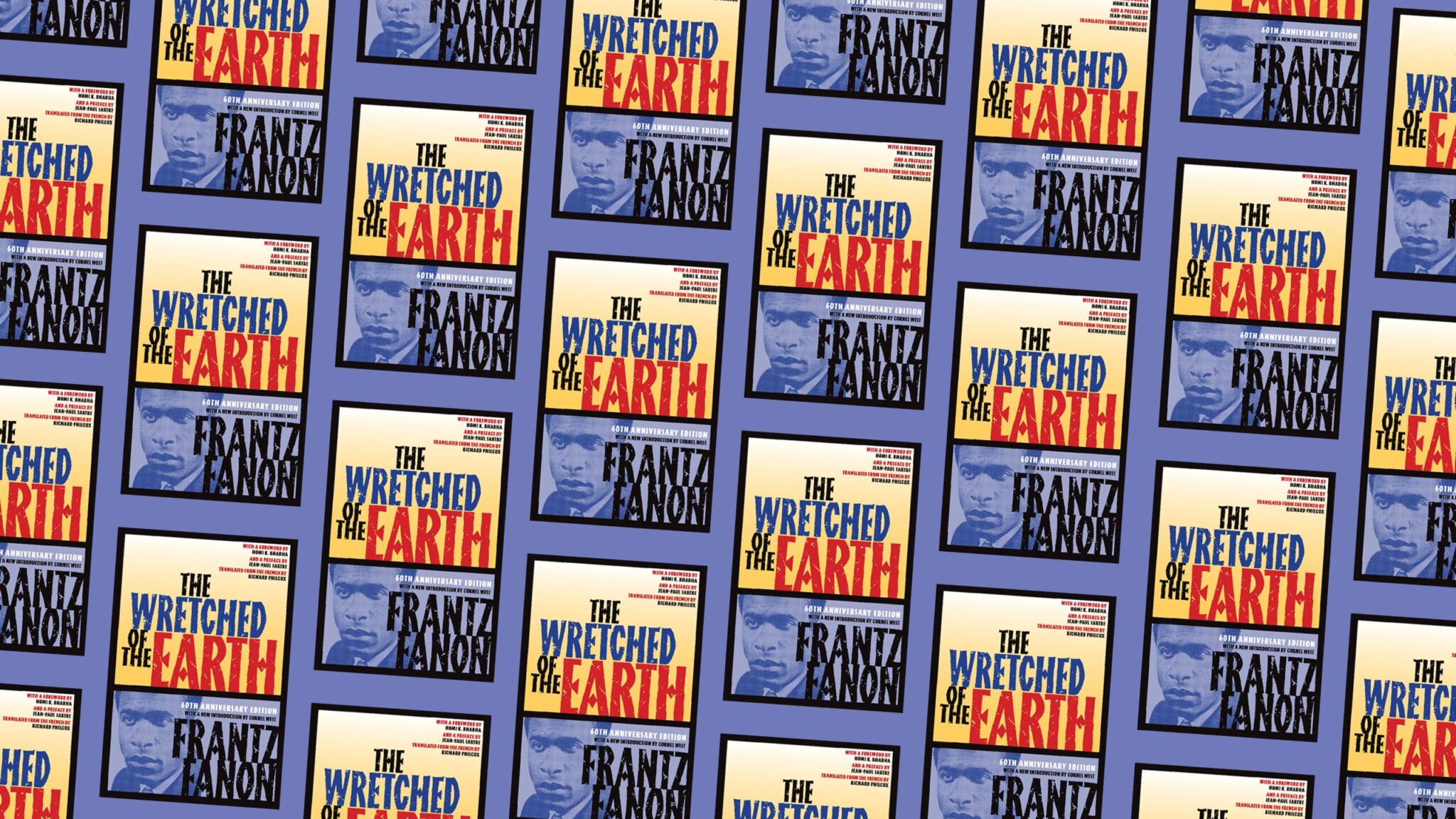
“The Wretched of the Earth entered my life when I was exploring why Tamil women fought,” writes Nimmi Gowrinathan, in an essay for Adi Magazine this week.
“It was also when Western governments were lecturing Tamil rebels to disavow militancy, all while ensuring the safe passage of multi-barrel rocket launchers to the advancing army,” she continues.
“I was grappling with this lopsided legitimacy when I read the opening chapter, “On Violence.” Fanon wrote of Algerians specifically but also “that this struggle could have broken out anywhere.” It underlied every conversation I had with female fighters on the island: “The very same people who had it constantly drummed into them that the only language they understood was that of force, now decide to express themselves with force.”
The texts that attach themselves to you are most often those that reflect unseen parts of the self. In this one, the mirror bends light to create space. Twenty years ago, in The Wretched of the Earth, I sensed an opening.
To return to a text is to seek: comfort, a kindred anger, guidance. The lines we lift become a transfusion of revolutionary spirit. In Tamil, meelavum means again, but the kind of return imbued with a sense of continuity. There is violence again. There is pain again. Arcing across history and intersecting in the lifelines of the oppressed. A return to The Wretched of the Earth is a rejection of repetitive fate.
Read the full piece at Adi Magazine, as part of a new column entitled “Again”, here.