
Further human remains, including a cluster of six skeletons believed to contain children, were identified on Monday during ongoing excavations at the Chemmani mass grave site in Jaffna.
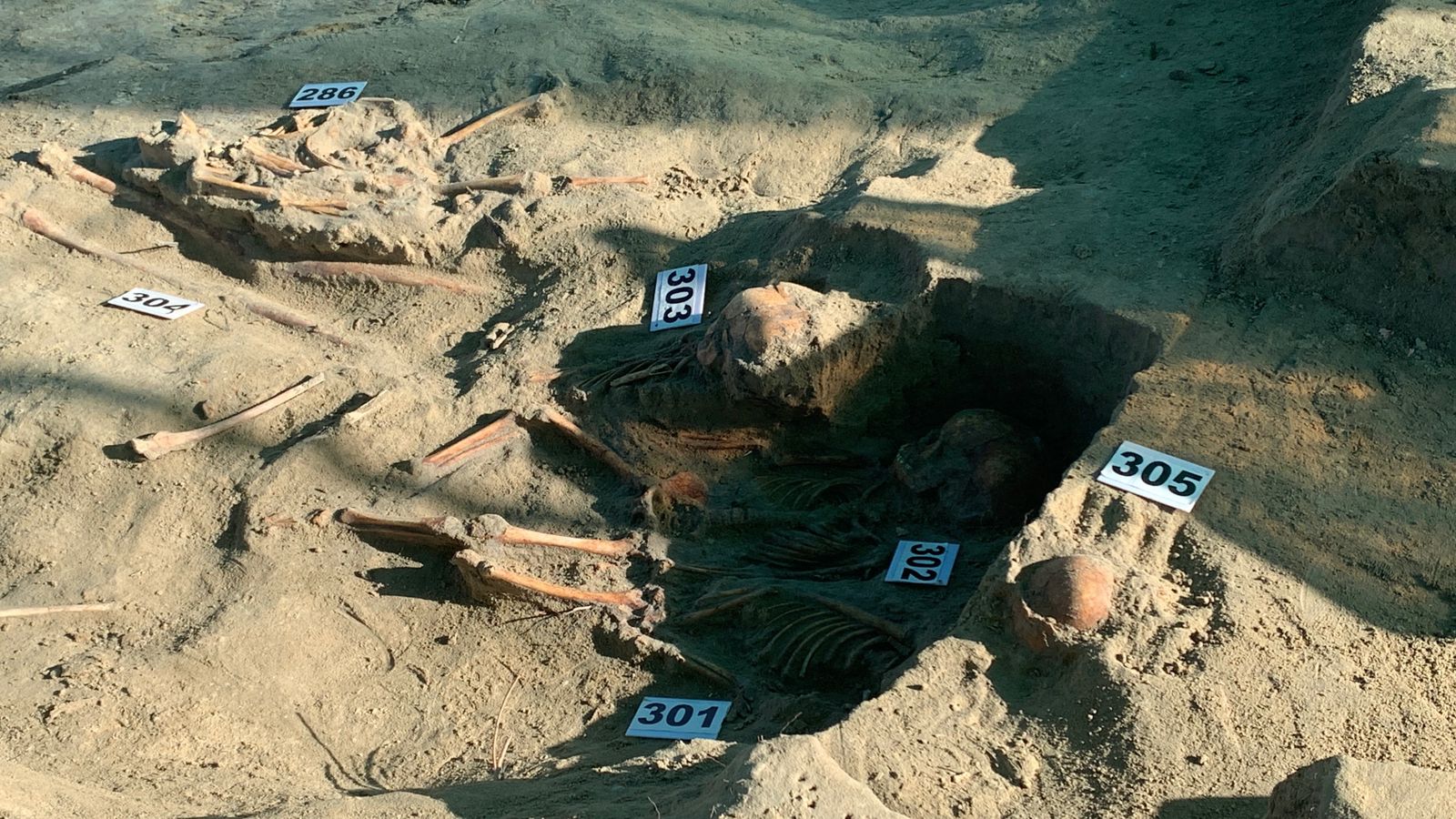
The discoveries were made on the nineteenth day of the third phase of court-supervised excavations, which resumed earlier this month following a temporary suspension of operations.
According to legal representatives monitoring the site, investigators identified a total of sixteen sets of human skeletal remains during Monday's excavation work.
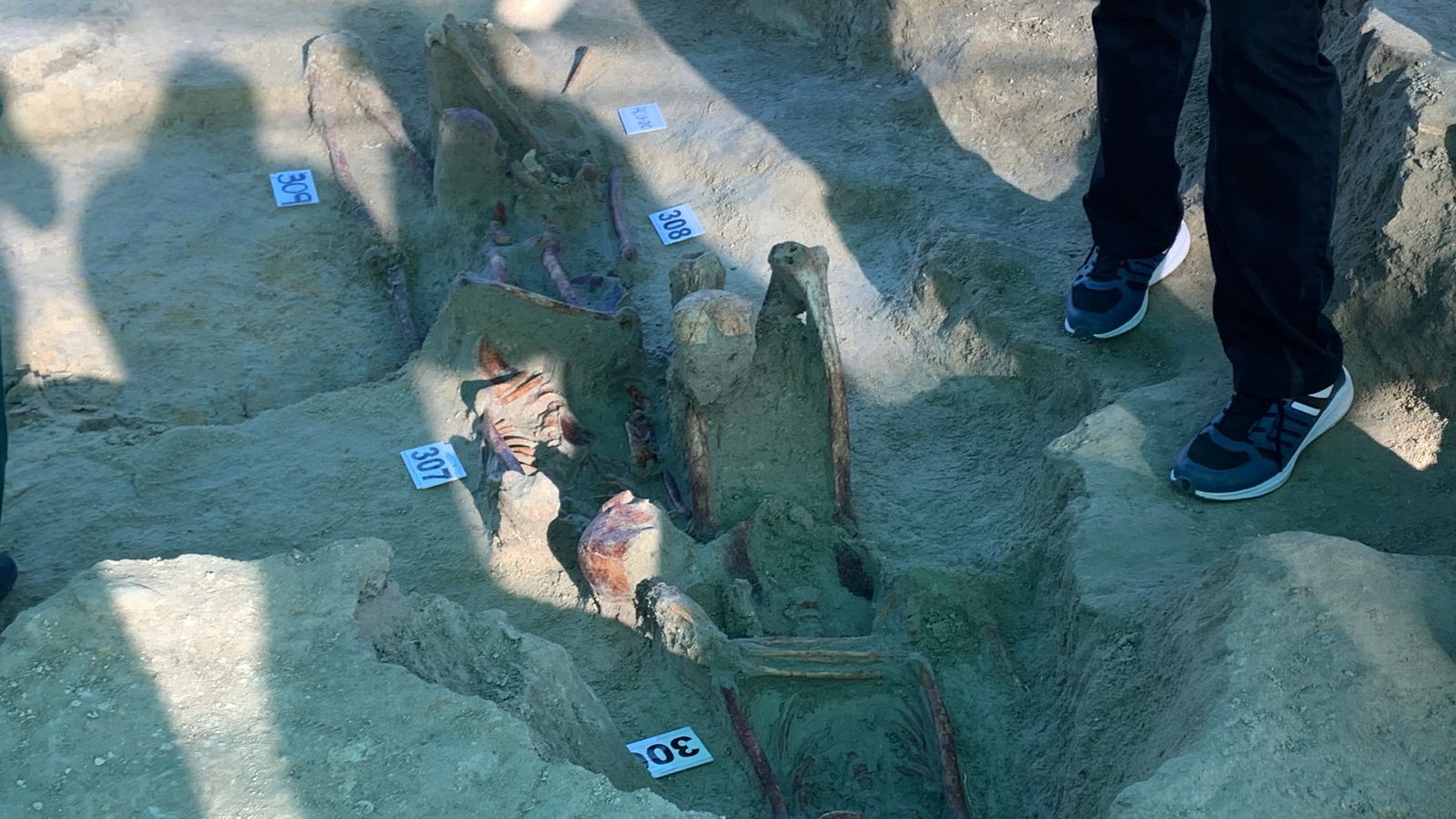
Among the most significant findings was a concentrated cluster containing six skeletons, including remains believed to belong to children. Cleaning, documentation and forensic examination of the cluster are currently underway before further excavation proceeds.
Four skeletal remains that had been identified during earlier stages of the excavation were also fully exhumed and removed from the site on Monday.
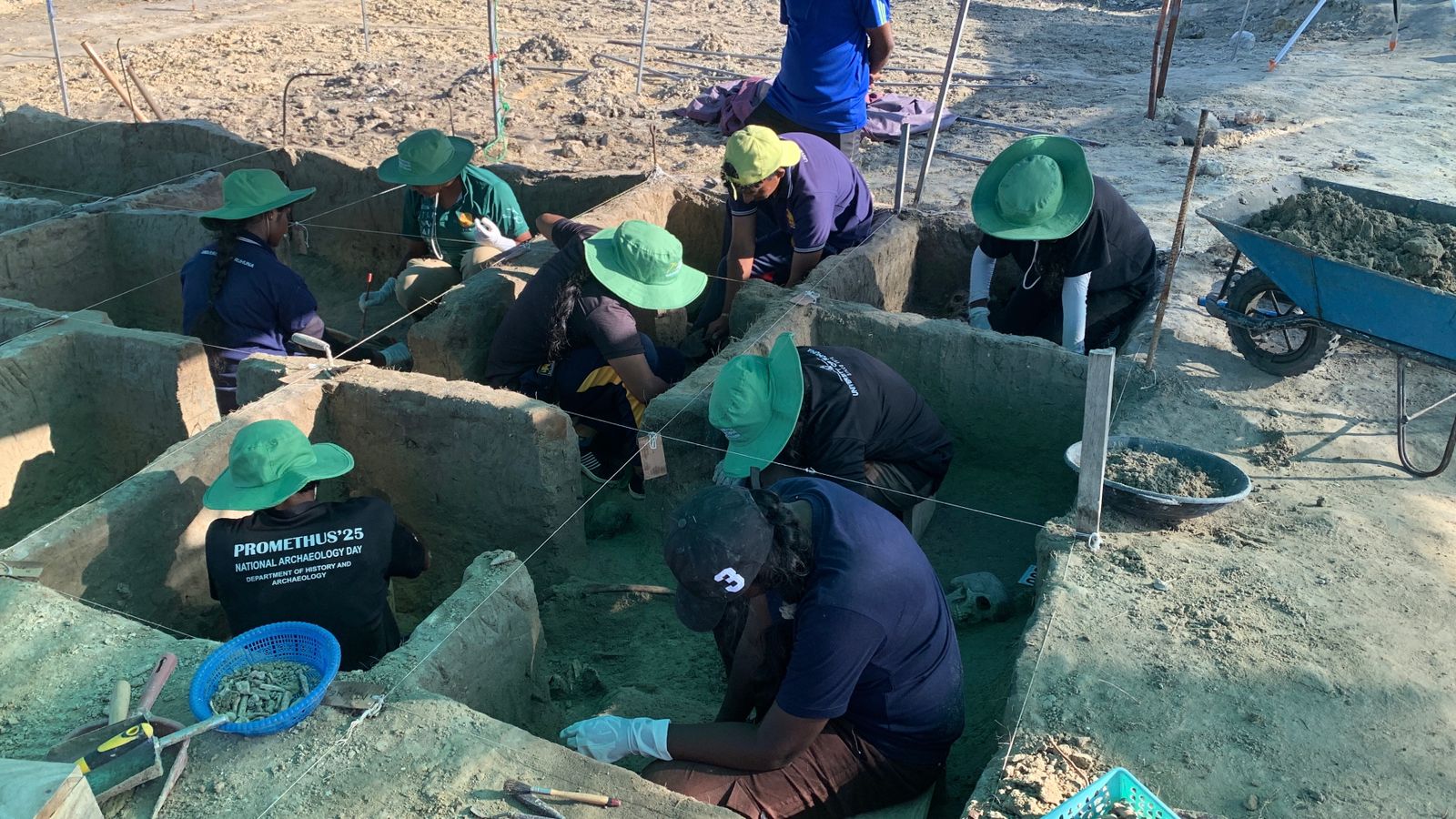
The latest discoveries bring the total number of skeletal remains identified at the Chemmani mass grave to 318. Of those, 302 sets of remains have now been fully excavated.
The findings add to a growing body of evidence emerging from the site, where investigators have repeatedly uncovered remains believed to belong to children. Earlier phases of the current excavation have also yielded numerous artefacts, including jewellery, pendants, bangles, coins, metal fragments and other personal belongings.
Excavations resumed on 1 June after the completion of the first twelve days of work under the third phase of investigations. Since then, the number of remains identified has continued to rise rapidly, prompting calls for expanded forensic analysis and international scrutiny.
The Chemmani mass grave is one of the most significant mass grave investigations in the Tamil homeland. The site first gained international attention in the late 1990s after a Sri Lankan soldier testified that hundreds of Tamils who were forcibly disappeared during military operations in Jaffna had been buried in the area.
The ongoing excavations have renewed attention on long-standing enforced disappearances, extrajudicial killings and wartime atrocities carried out during Sri Lanka's military occupation of the North-East. As the number of skeletal remains uncovered continues to increase, families of the disappeared, human rights organisations and Tamil political representatives have renewed calls for independent international oversight of the investigation and accountability for those responsible.