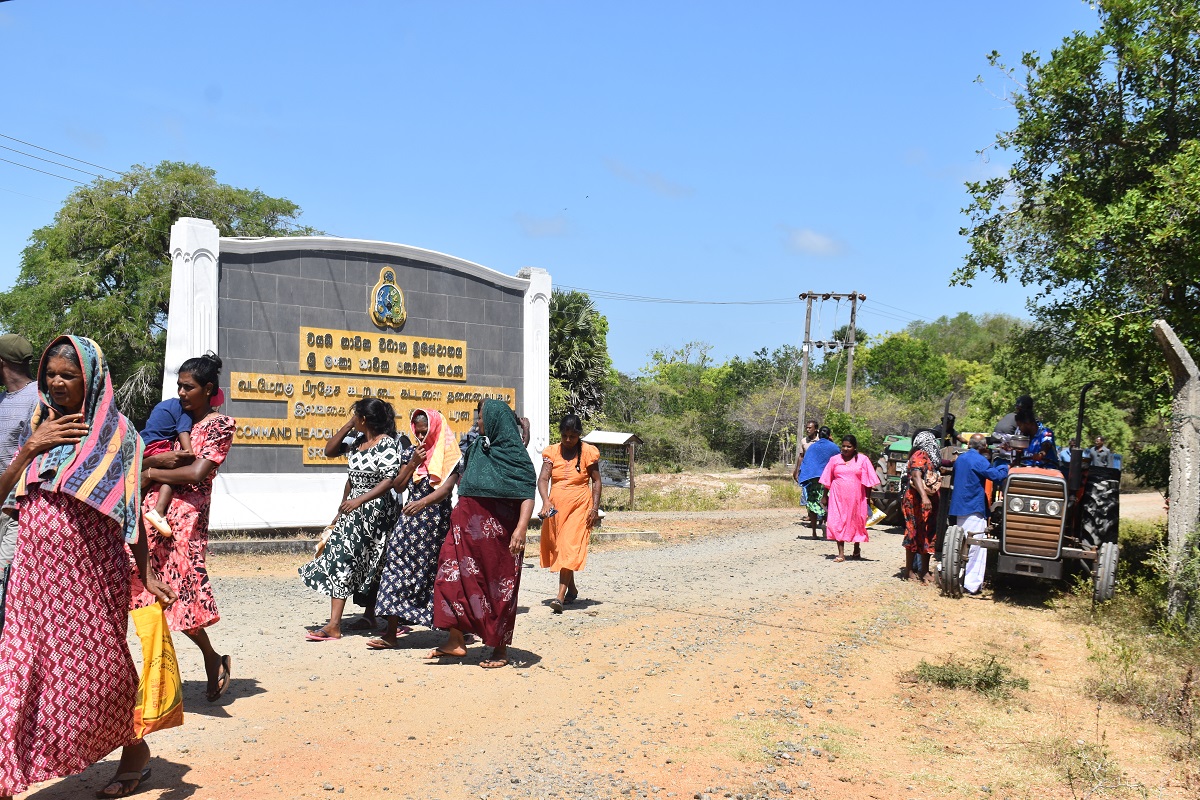
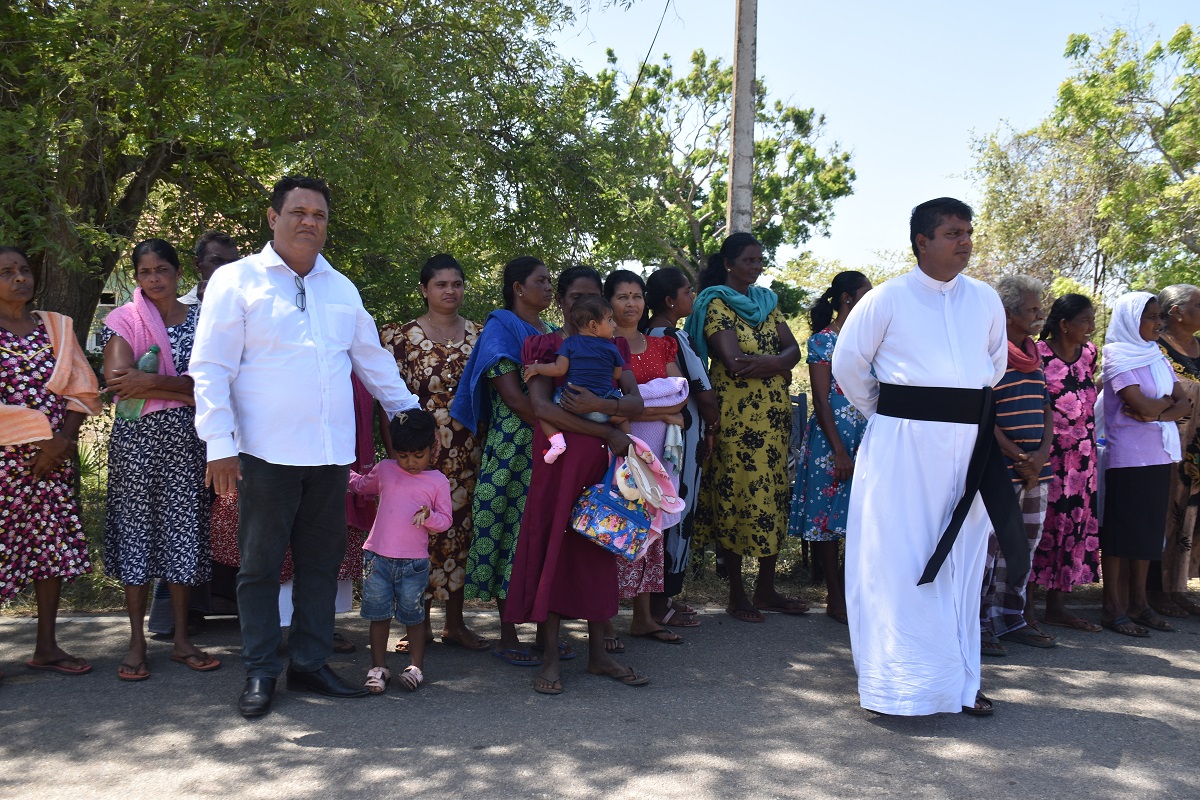
Residents of Mullikulam in Mannar staged a demonstration on Monday, calling on the authorities to reopen the traditional route to the Pallakandal St Anthony's Shrine in time for its annual feast, arguing that the closure would force pilgrims to travel a vastly longer distance.
The protest took place along the Mullikulam main road, where demonstrators urged the government to permit access via the Mullikulam–Marichchikkatti–Pookkulam route for this year's observances. The feast is due to begin on 8 July, followed by nine days of services, with the feast Mass on 12 July. The shrine has long drawn Catholic devotees from across Mannar district and the wider Northern Province, who, the protesters said, have traditionally reached it through that route without major difficulty.
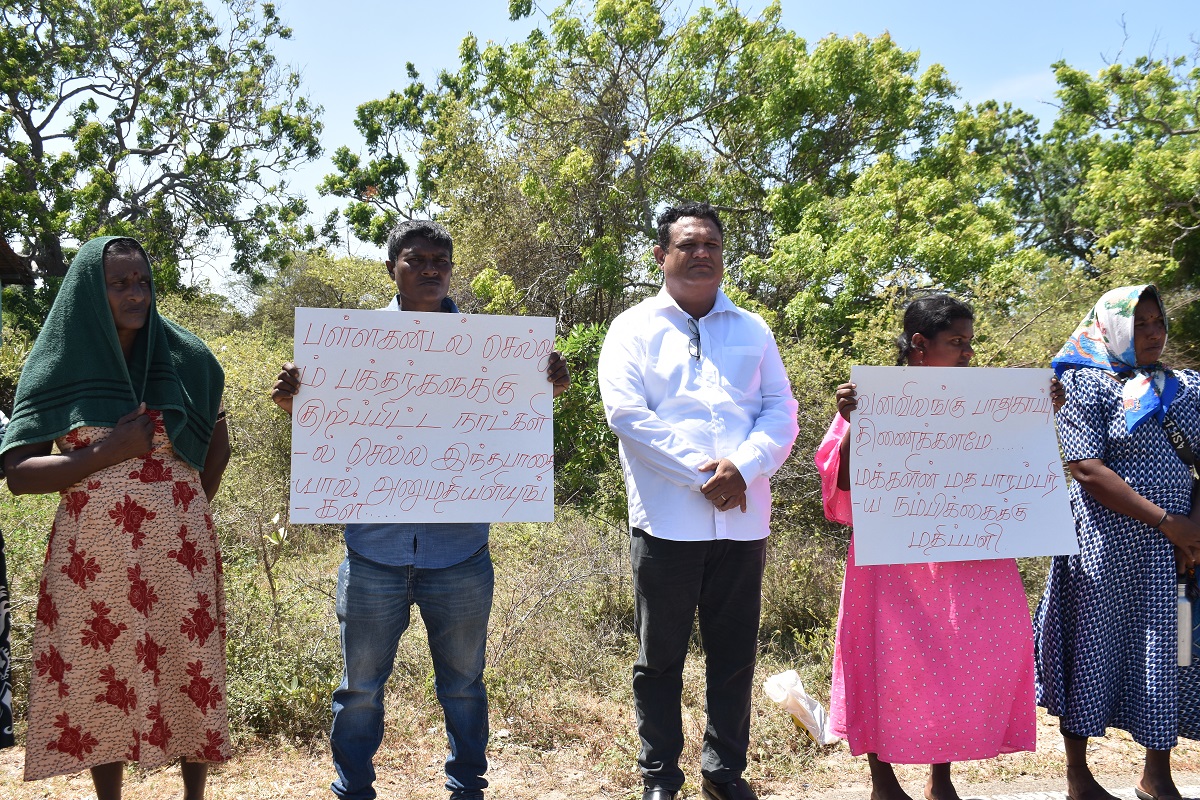
This year, the protesters said, the Department of Wildlife Conservation has refused permission for pilgrims to use the traditional path. The difference is stark: the customary route runs around 30 kilometres, while the alternative they have been directed to use, via Anuradhapura, stretches to roughly 250. The demonstrators, who gathered peacefully from around 11am carrying placards, called on the authorities to reopen the traditional route at least for the duration of the feast.
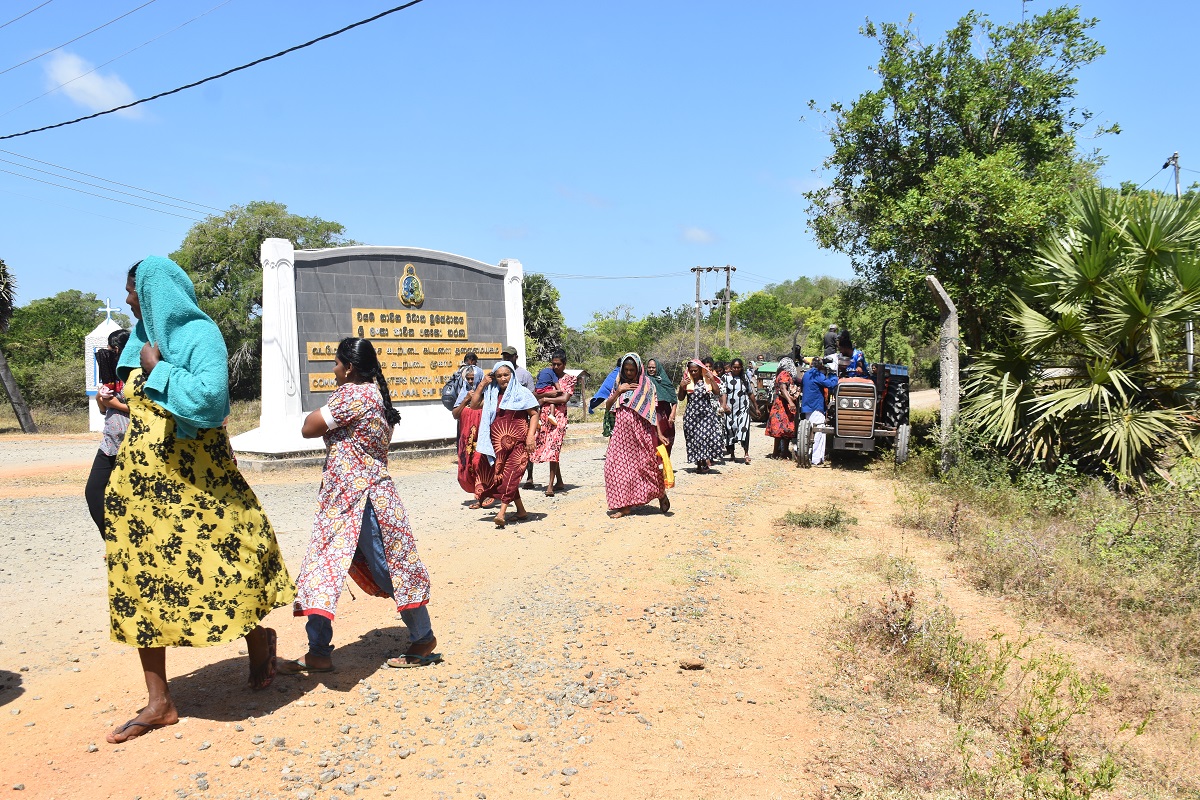
At the heart of the dispute is the shrine's location. Pallakandal lies within the Wilpattu National Park, Sri Lanka's largest, and the traditional route passes through the protected reserve.
Wildlife authorities have for years raised concerns over the environmental impact of the pilgrimage, which draws large crowds, pointing to improper waste disposal, unauthorised drone use and campfires within the park, and the matter has been through the courts, with a regulatory framework sought to govern the annual festivities.
The protesters, however, argue that such concerns should be met through stricter regulation and enforcement rather than the closure of the route, which they say imposes a heavy burden on the thousands who travel to the feast.
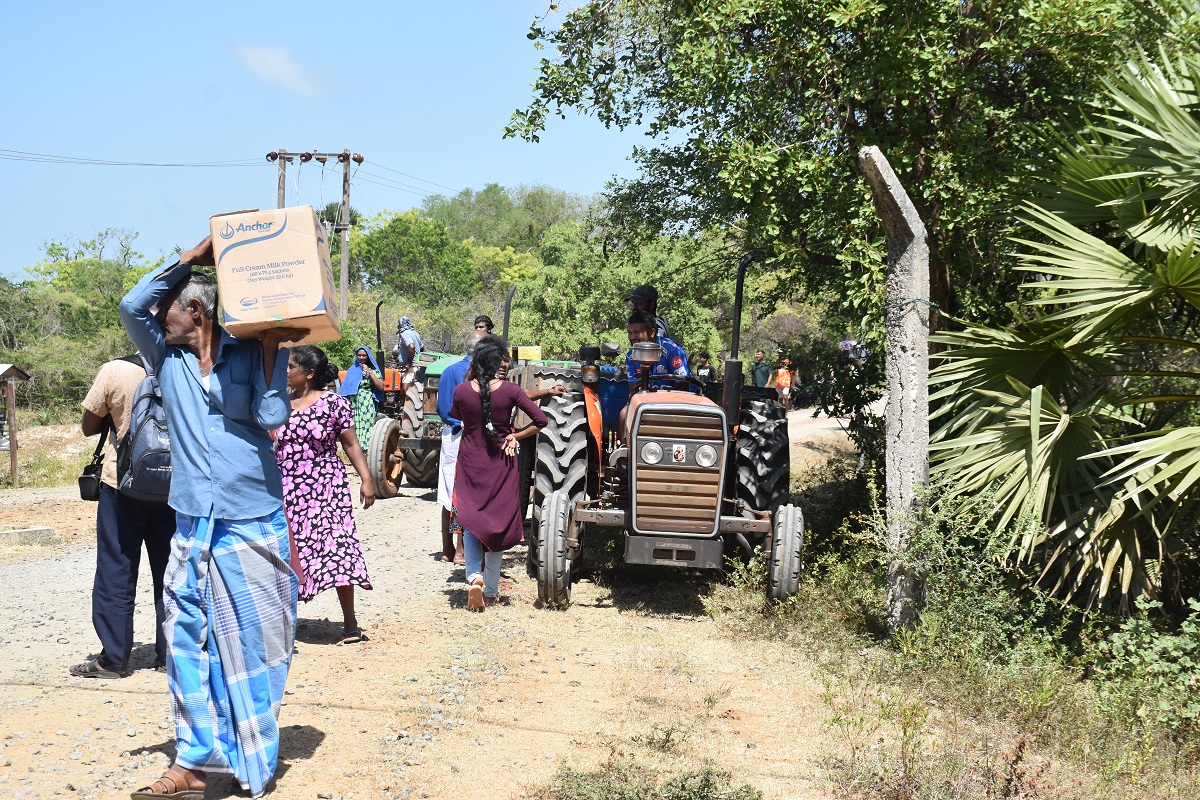
That burden falls on a community already familiar with dispossession.
Mullikulam is itself a Tamil Catholic village whose residents were displaced when the navy occupied their land, and who campaigned for years to return, lending the latest restriction, for many, the character of one more curtailment of their access to land and worship.
Among those at the protest were the Mullikulam parish priest, Fr Terence Glaus, the director of the Mannar Social and Economic Development Organisation, Jackson Pigirado, along with its staff, human rights activists and local residents, who pressed the relevant departments and senior officials to permit use of the Mullikulam–Marichchikkatti–Pookkulam route until the feast concludes on 12 July.
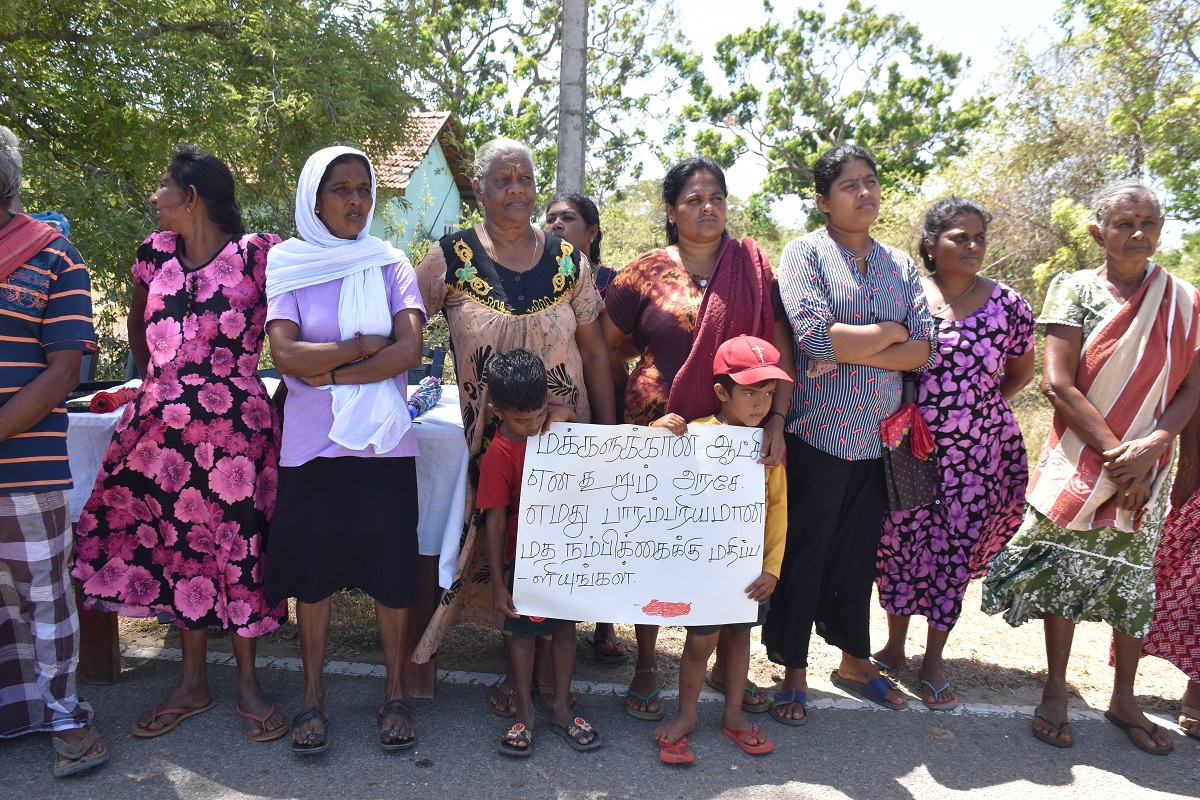
The demand has drawn political support. The leader of the All Ceylon Makkal Congress and member of parliament Rishad Bathiudeen has written to the minister of transport, highways and urban development, Bimal Rathnayake, urging immediate action to restore access via Marichchikkatti and Pookkulam for this year's observances.
Tamil Catholic devotees from Mannar and elsewhere in the Northern Province had attended the shrine's services and annual feast for many years, Bathiudeen noted, but the main access route was now unavailable to the public, causing considerable hardship.
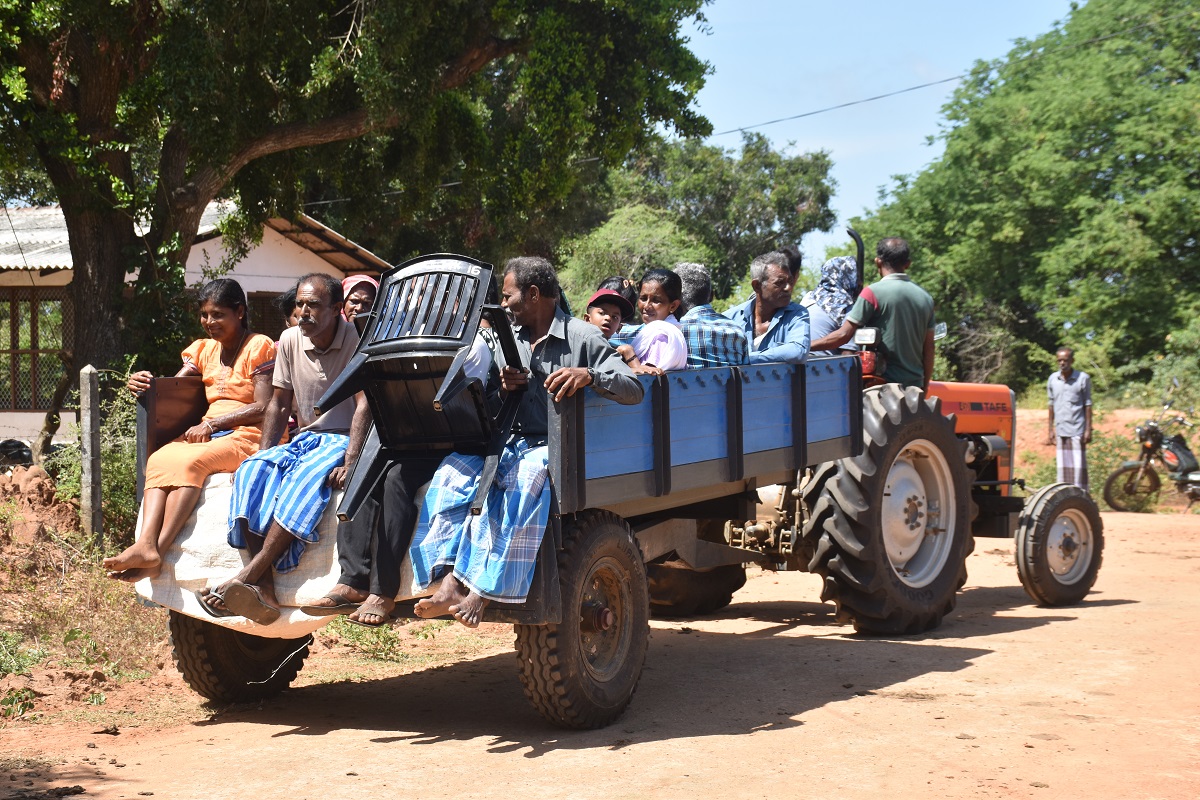
The route was particularly important for residents of villages such as Kondachchi and Mullikulam, he said, who depend on it to take part in worship at the shrine, and the closure had placed an added strain on elderly pilgrims, women and devotees from remote villages, now made to travel far greater distances. Bathiudeen said he had received numerous appeals from constituents in his capacity as their representative, and urged the minister to reopen the route to safeguard the welfare and religious rights of pilgrims.
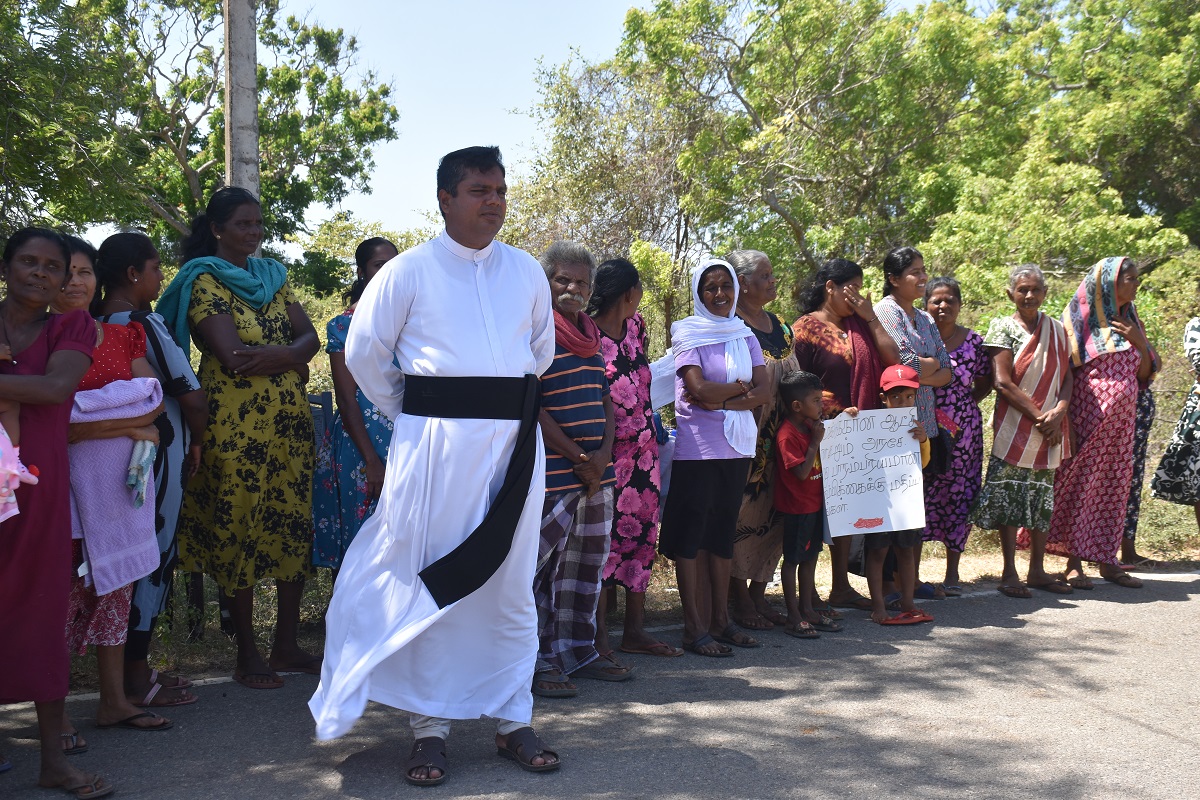
Reopening access to the shrine, which he described as a symbol of religious harmony for decades, would strengthen religious freedom and social cohesion in the region, Bathiudeen added, calling for urgent attention to ensure uninterrupted access for pilgrims and to support the religious and social life of local communities.